
English

Blog
Here, we provide up-to-date and useful orthopaedic content involving recovery and rehabilitation, information on various injuries and disorders, as well as different types of medical and surgical treatment.
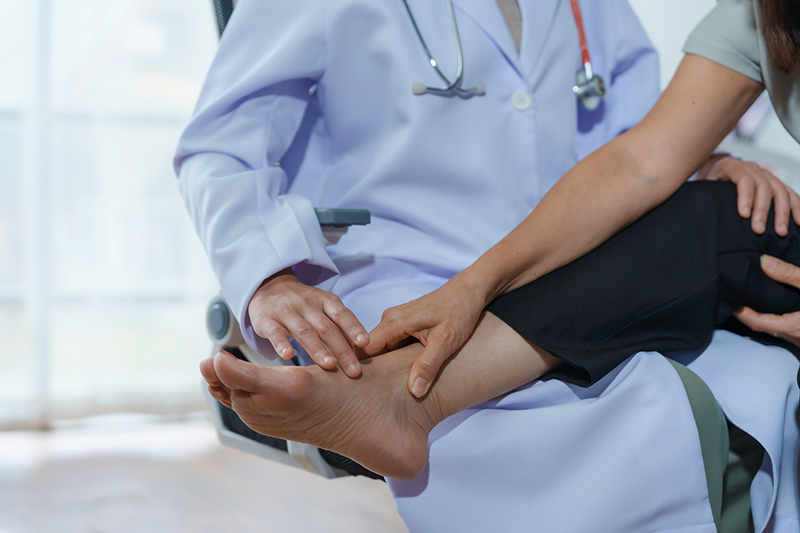
Persistent ankle pain after a sprain or other injury does not always come from the ligaments or surrounding soft tissues. As with other orthopaedic conditions, identifying the source of ongoing symptoms may require consideration of the structures within and around the joint.

A persistent ache, a clicking sensation when you move or discomfort during exercise can be easy to brush off, especially when you are juggling work, family and everyday life in Singapore. But when these symptoms continue or start affecting how you move, they may be linked to an underlying joint problem such as a labral tear.
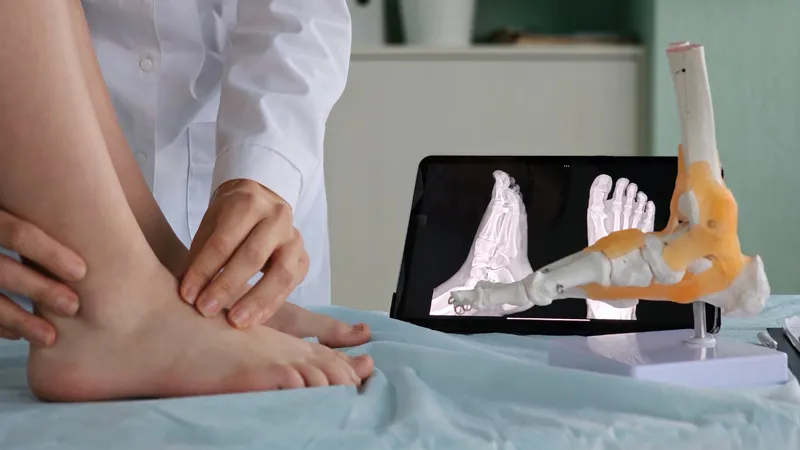
Foot or ankle pain that won't go away is often a sign it's time to see a specialist. Knowing what to expect at your first appointment can help you feel more prepared and confident about the next steps.

The moment you can walk without limping, it is easy to assume your ankle is ready for training again. You may even be tempted to test it with a short run, a casual game or a full return to sport. However, pain often improves before the ankle has regained the strength, balance and control needed for sudden turns, jumps and landings.

Have you ever sprained your ankle, recovered after a few weeks, only to find yourself rolling the same ankle again months later? While many ankle sprains heal with appropriate treatment and rehabilitation, repeated injuries can gradually weaken the structures that stabilise the ankle. Over time, this may lead to chronic ankle instability, where the ankle feels persistently weak, unstable or prone to giving way during everyday activities or sports.

You should see a foot specialist if your foot pain lasts longer than one to two weeks, keeps coming back, worsens over time, or makes it difficult to walk or carry out your daily activities. While minor aches from exercise or prolonged standing often improve with rest and home care, persistent foot pain can be a sign of an underlying condition such as plantar fasciitis, tendon injuries, arthritis, stress fractures, or nerve problems that require professional assessment.
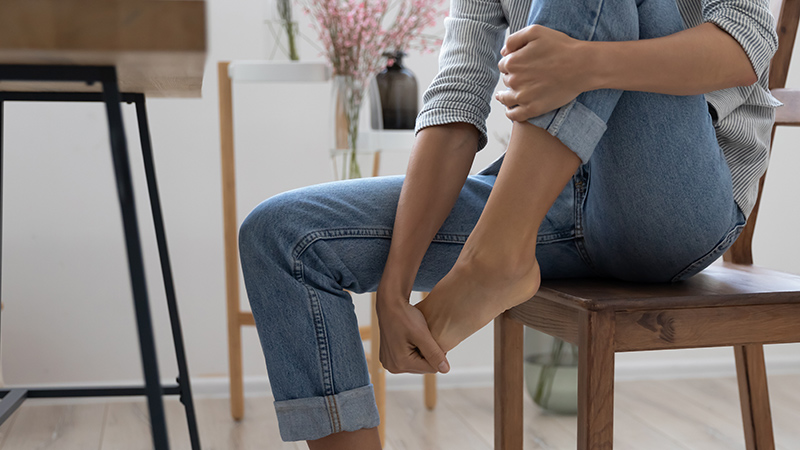
Your feet can develop structural problems long before pain appears. Learn why conditions like bunions, flat feet and early arthritis may worsen quietly, the signs to watch for and when seeing a foot doctor can help protect your mobility.
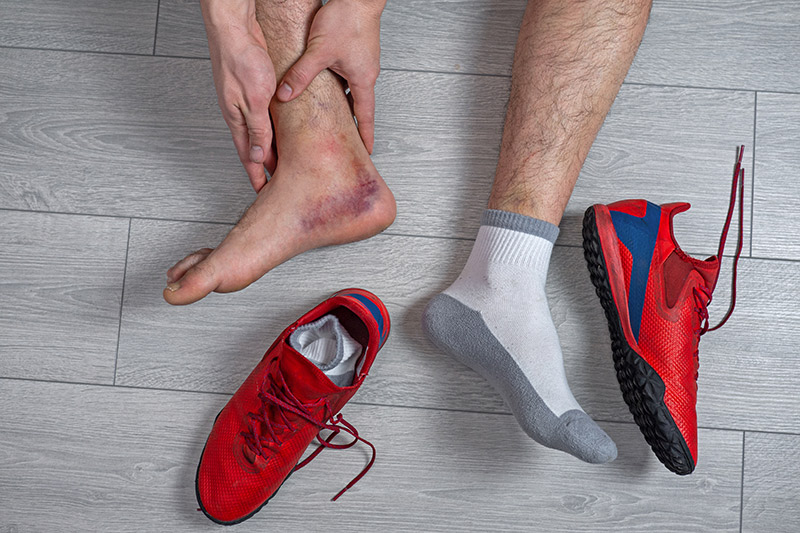
Persistent ankle pain, swelling or instability after a sprain may point to a more serious injury. Learn which conditions can mimic an ankle sprain, when to see an ankle doctor and how early diagnosis can support a safer recovery.

Does your joint frequently feel weak, loose, or prone to giving way? Learn the warning signs of joint instability, the risks of leaving it untreated, and the treatment options available to help protect your joint health and mobility.
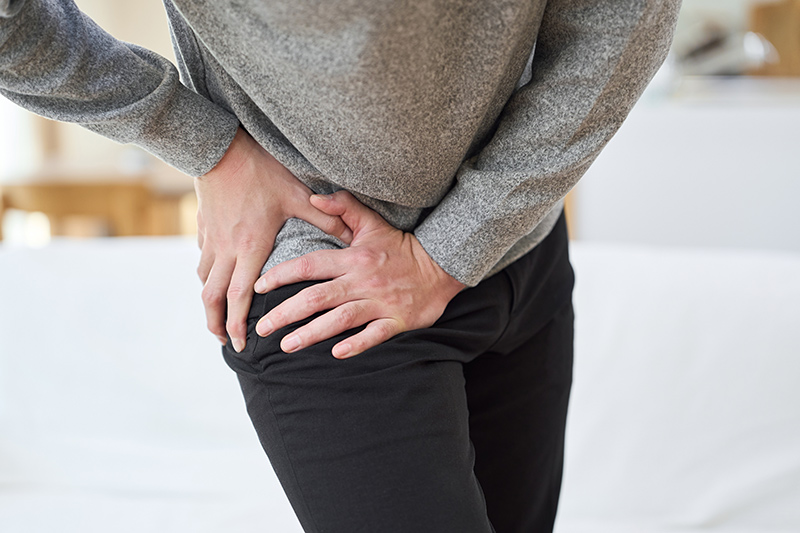
A fall can cause more than just bruising, even if you are still able to walk. Learn the warning signs of a hidden hip fracture, when to seek medical assessment and how early treatment may help protect your mobility.

Recovering from rotator cuff surgery takes time and careful monitoring. Learn the key recovery milestones, factors that may influence healing and when to seek advice from a rotator cuff specialist for a safe return to daily activities.
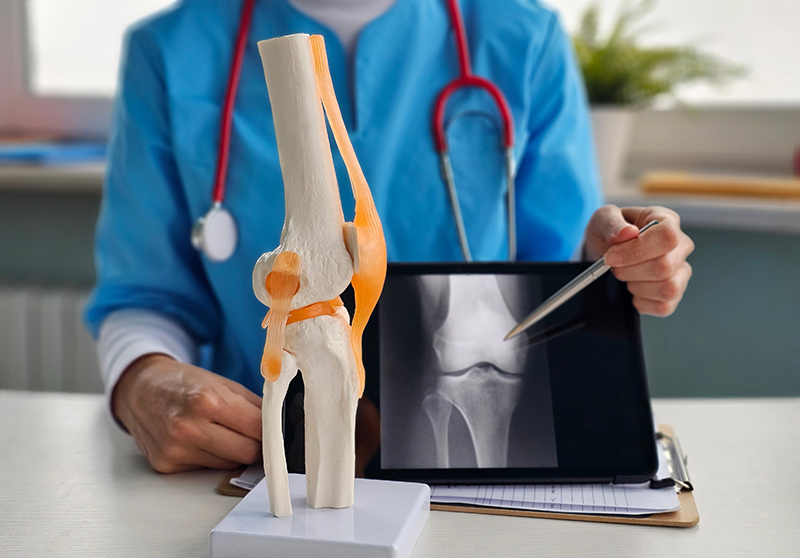
Experiencing knee pain when twisting, pivoting, or squatting? Persistent symptoms may be linked to meniscus injuries, ligament damage, arthritis, or other knee conditions. Learn the common causes, warning signs, and when to seek treatment.

Still experiencing ankle pain or instability months after a sprain? Some ankle injuries may not heal completely and could involve ongoing ligament or structural issues. Learn when persistent symptoms may benefit from assessment and treatment guidance.
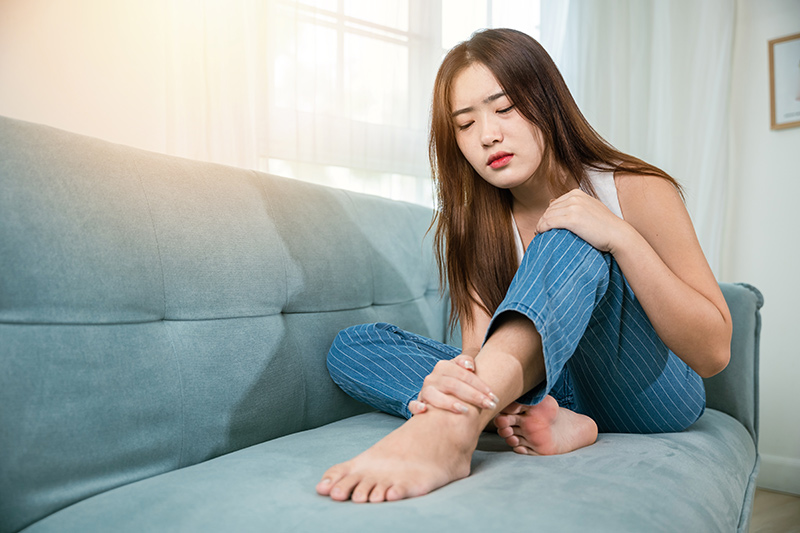
Still experiencing ankle pain weeks or months after a minor injury? Ongoing symptoms may sometimes be linked to ligament problems, tendon injuries or overlooked conditions. Learn when persistent ankle discomfort may benefit from further assessment.
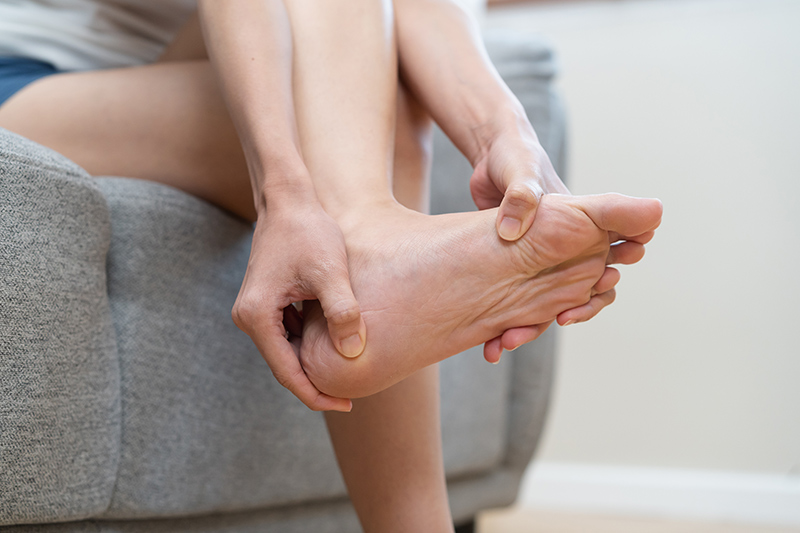
Heel pain that returns after treatment may suggest incomplete recovery or an underlying condition. Learn why symptoms can recur and when specialist assessment may help support long-term recovery and better movement outcomes.
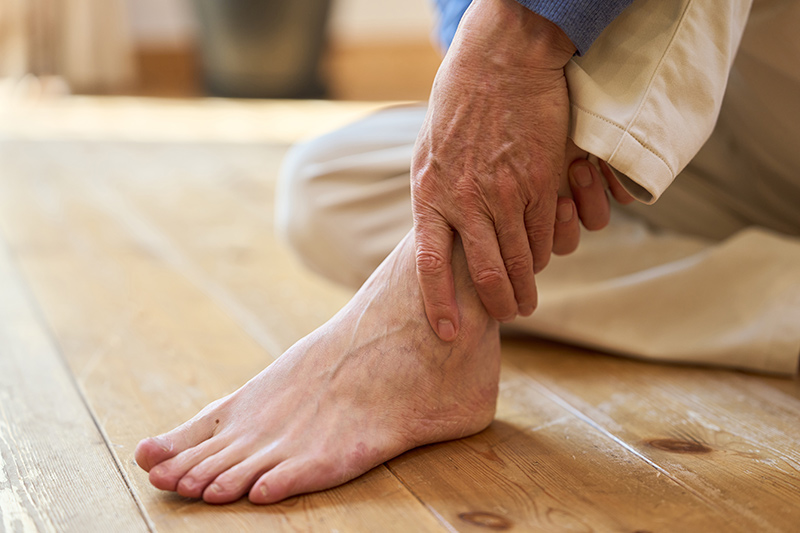
Persistent foot or ankle pain can affect walking patterns, balance and movement. Learn how ongoing symptoms may influence stability and when assessment may help support better recovery
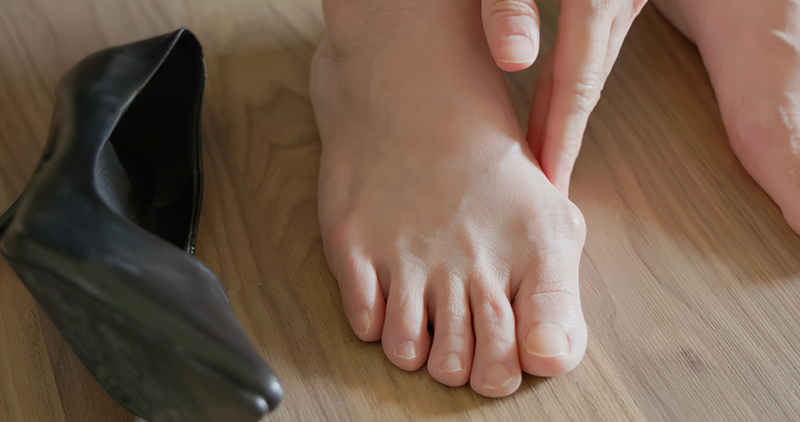
Bunions may not need treatment at first, but persistent pain or daily limitations can signal a more serious condition. Learn when to act and how early care can help prevent worsening symptoms.
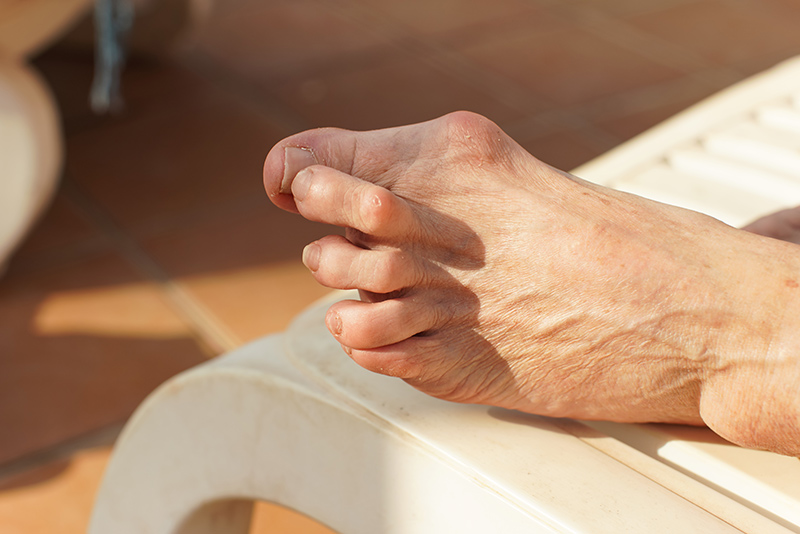
Bunions often get bigger over time due to joint misalignment and daily stress on the foot. Learn the signs of progression and how to slow it down with the right care and support.
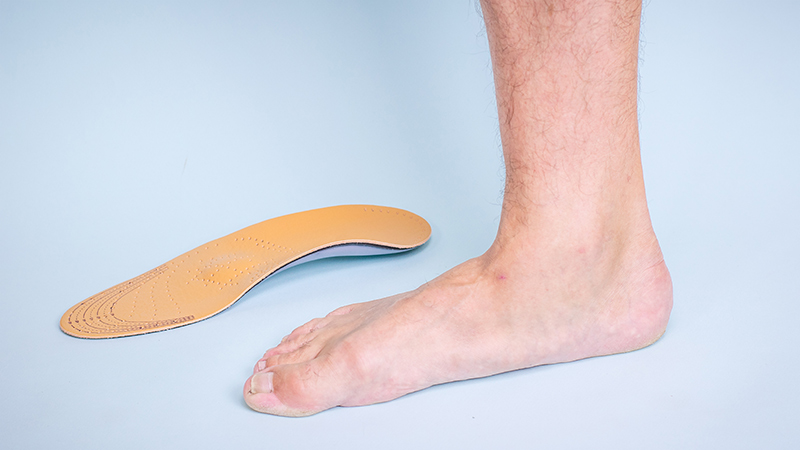
Flat feet are common, but pain or discomfort may signal a problem. Learn when to seek care and explore effective treatment options with guidance from an experienced orthopaedic specialist.
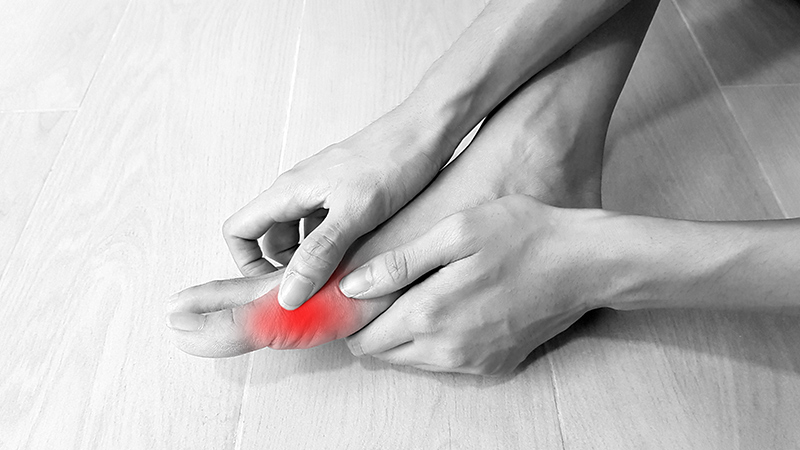
Manage bunion pain without surgery using simple changes like proper footwear and supportive treatments. Learn when to seek care and explore effective options for lasting relief.
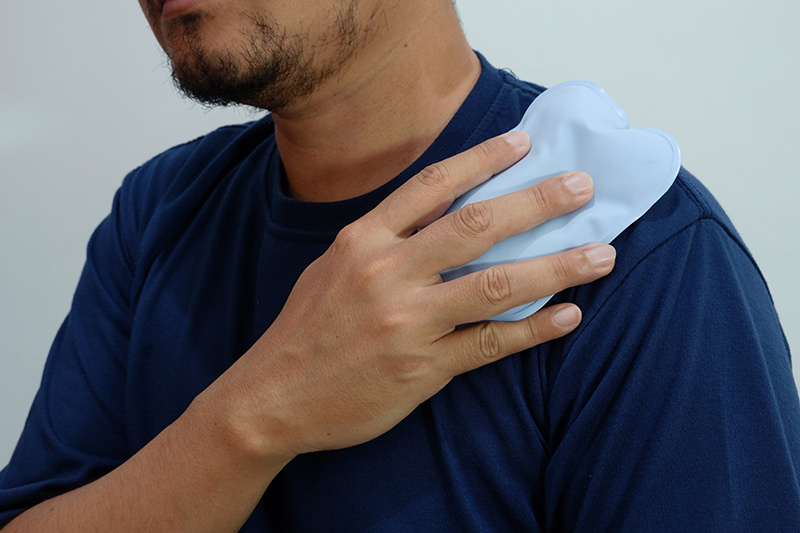
Recovering from frozen shoulder can take time and certain factors may slow the healing process. Learn what affects recovery and when to seek specialist care to restore shoulder movement and reduce pain.
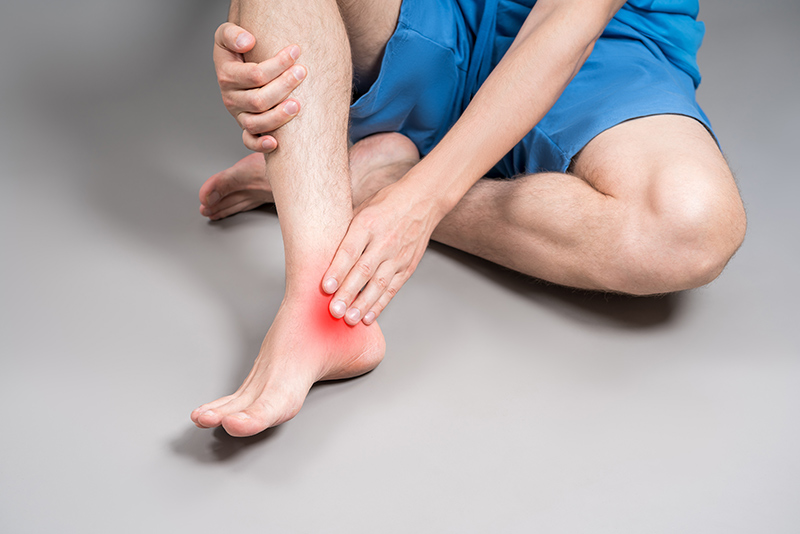
Recurring Achilles tendon pain that improves with rest but returns during activity may indicate an underlying tendon issue. Learn about possible causes and when to seek orthopaedic evaluation for persistent Achilles discomfort.
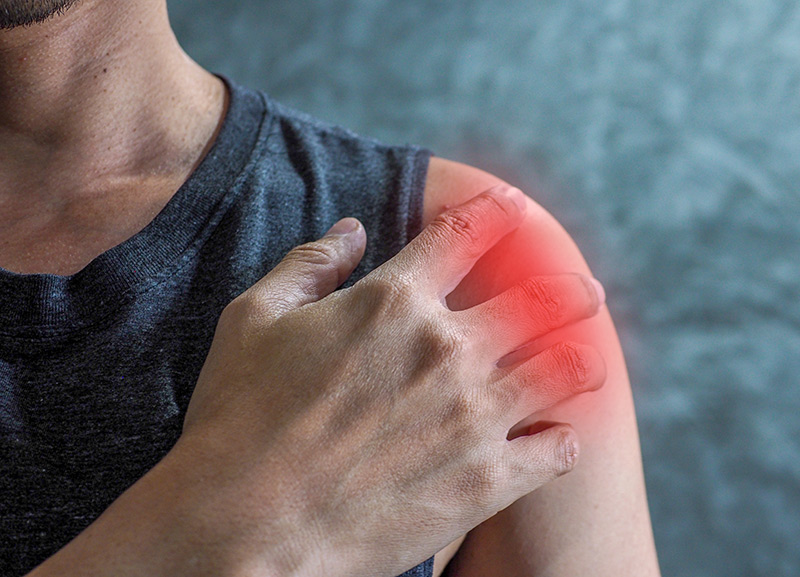
Shoulder impingement can sometimes persist despite physiotherapy. Learn why symptoms may continue and what treatment options may help relieve pain and restore shoulder movement.
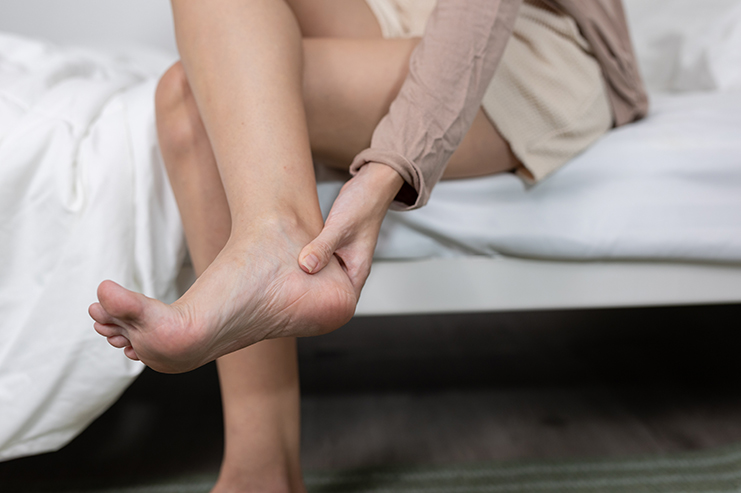
Struggling with heel pain despite regular stretches? Find out why plantar fasciitis often needs more than flexibility exercises and how professional care from Dr Yung Shing Wai can help restore comfort and mobility.

Unsure if your rotator cuff tear requires surgery? Discover how specialists evaluate shoulder injuries and what factors determine the right treatment approach at SW Yung Ortho.
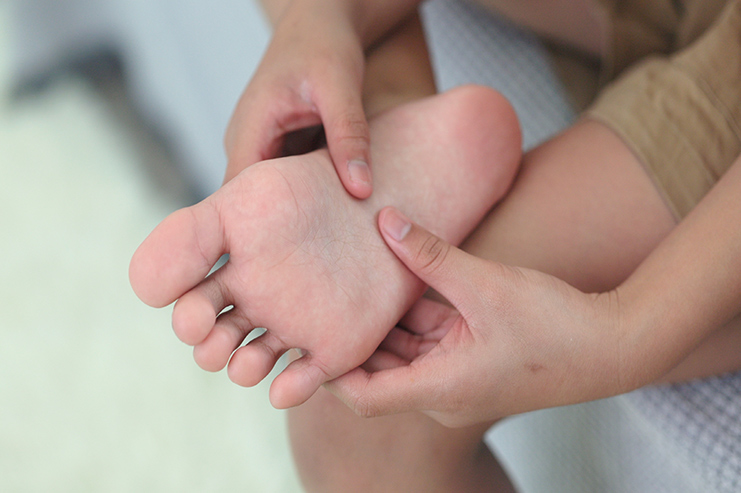
Are knee, hip or back pains linked to your feet? Learn how overpronation affects your body and how a thorough assessment and personalised treatment at SW Yung Ortho can improve alignment and relieve discomfort.

Learn key steps for effective recovery after bunion or hammer toe surgery, focusing on pain management, mobility, and preventing recurrence.

Discover the causes, symptoms, and treatments of juvenile bunions to help manage and prevent this condition in children.

Understand the roles of genetics and footwear in bunion and toe deformity development, and learn effective prevention and management techniques.
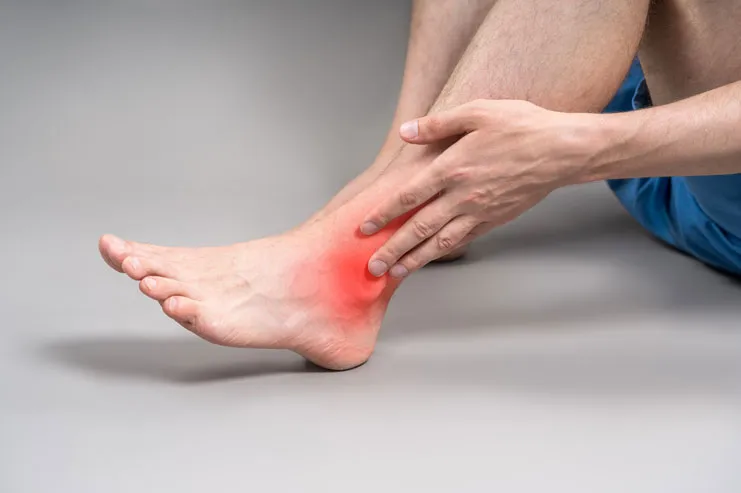
Ankle injuries can range from mild sprains to severe fractures. Understanding their types, causes, and treatments is essential for effective recovery and prevention.

Bunions often run in families due to inherited foot structures. Understand the genetic predisposition and find out how to mitigate your risk.

Bunions can cause major discomfort and affect one’s daily life. Find out about surgical treatments along with their benefits and considerations.

Bunions are a common but misunderstood condition. Find out the myths about bunions, their causes, symptoms, and treatment options.

Find out about 9 common shoulder injuries like rotator cuff tears, frozen shoulder, and dislocations, alongside their symptoms, causes and treatment.

Learn about arthroscopy, a minimally invasive surgical procedure used to diagnose and treat joint issues, offering faster recovery and reduced discomfort compared to traditional methods.

Understand the key differences between osteoporosis and osteoarthritis, including their causes, symptoms, and treatments, to take control of your bone and joint health effectively.

Explore the causes, types, and treatments of sports injuries, and discover how to stay active and injury-free with proper care and prevention strategies.

Read about common orthopaedic conditions, their causes, symptoms, and treatments, and learn how to maintain optimal bone and joint health for a better quality of life.
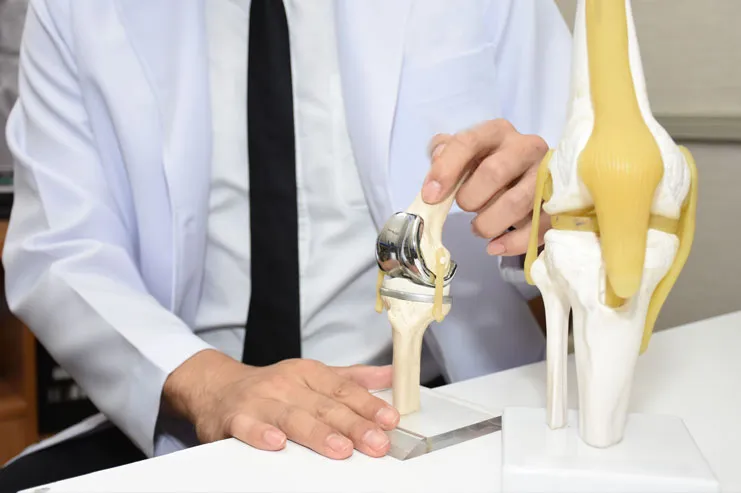
Gain a better understanding of total knee replacement, from the procedure to recovery, and how it can restore mobility and improve quality of life.

Joint disorders can affect mobility and quality of life. Explore the various types of joint disorders and their treatments to better understand your options here.

There are many myths and misconceptions surrounding orthopaedic injuries and treatments. Find out what they are here and have them cleared up.

Orthopaedic surgery carries potential risks, but understanding and mitigating these can lead to better clinical outcomes. Read about how surgeons minimise risks here.

Physiotherapy is a crucial part of recovery following an orthopaedic injury and/or surgery. Find out how proper adherence to it can speed up your recovery, here.

Foot and ankle surgery is a subspecialty within the field of orthopaedic surgery, and plays a critical role in treating a wide range of foot and ankle conditions. Read more here.

The shoulder is a highly mobile joint which means that it is also susceptible to injuries. Find out more about the different types of shoulder surgeries, here.

Engaging in an active lifestyle can bring a lot of joy through sports, but it also presents the risk of getting injured. Find out how to lower your risk of sports injuries, here.

Orthopaedic injuries, such as fractures, sprains, and strains, affect people of all ages and are commonplace. Find out how to manage each type of injury, here.

Strong bones play a crucial role in supporting our bodies, enabling movement, and safeguarding our vital organs from injury. Find out how to improve your bone health, here.

As technology advances in the field of orthopaedics, minimally invasive surgery has proven to be a very promising and beneficial one for suitable patients.

Caring for your wound and health properly after undergoing orthopaedic surgery goes a long way in ensuring a smoother and faster recovery.

Excess weight can affect one’s bone and joint health. While most people can attain a healthy weight on their own, others may require treatment to lose the excess weight.
or to schedule a detailed consultation, please contact our clinic at 62355225 today.


