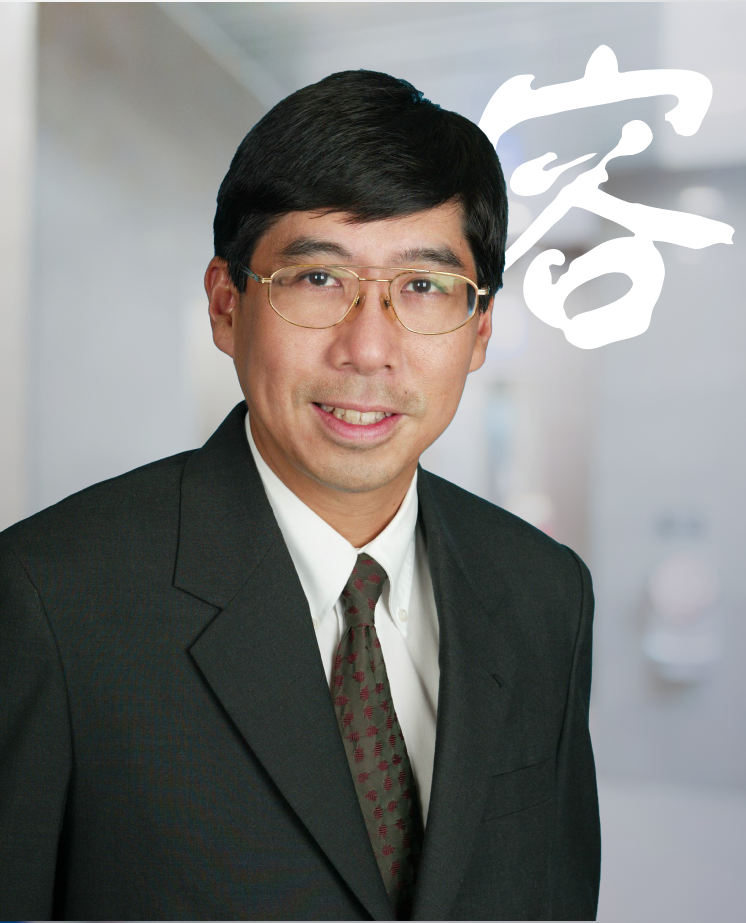
Dr Yung Shing Wai
Consultant Orthopaedic Surgeon
Orthopaedic, Foot and Shoulder Surgery
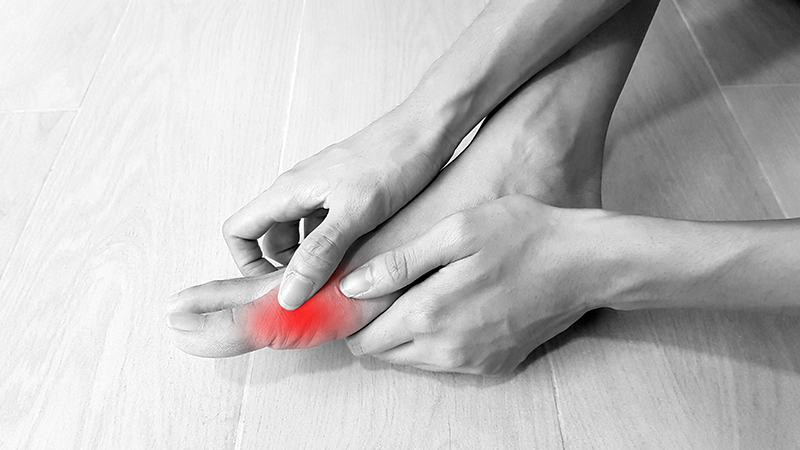
If you have a bunion, you probably know how something as simple as putting on shoes or walking for long periods can become uncomfortable. What starts as mild irritation can gradually turn into persistent pain, making it harder to stay active or get through the day without noticing your feet.
The discomfort can be frustrating, especially when it begins to affect your daily routine. The good news is that surgery is not always the first or only solution. With the right approach, there are practical and effective ways to reduce bunion pain and improve comfort without surgery.
What Is a Bunion and Why Does It Cause Pain?
A bunion is a bony bump that forms at the base of the big toe, where the joint gradually shifts out of alignment. Instead of pointing straight ahead, the big toe begins to lean toward the second toe, creating a visible prominence on the side of the foot.
This change in alignment affects how pressure is distributed when you stand or walk. The joint can become irritated from constant friction against footwear, leading to inflammation, swelling, and pain. Over time, the surrounding tissues may also become strained, which can make the discomfort more noticeable during daily activities.
Several factors can contribute to bunion development. These include inherited foot structure, certain types of footwear such as tight or narrow shoes, and underlying foot mechanics that place extra stress on the joint. While the bunion itself does not always cause pain, symptoms often arise when the area becomes inflamed or repeatedly irritated.
Simple Changes That Can Help Relieve Bunion Pain
Small, practical changes can go a long way in reducing bunion pain, especially when pressure on the joint is the main trigger.
Choose supportive footwear
Opt for shoes with a wide toe box, soft uppers, and low heels to reduce pressure and friction on the bunion. Avoid tight or narrow shoes that can worsen irritation.
Modify daily activities
If you spend long hours standing or walking, take regular breaks where possible. Consider alternating with lower-impact activities such as cycling or swimming to reduce strain.
Use simple pain relief measures
Applying ice can help reduce inflammation during flare-ups. Short periods of rest may also allow irritated tissues to recover.
Consider over-the-counter support
Anti-inflammatory medications may provide temporary relief when symptoms are more noticeable.
While these changes do not correct the bunion itself, they can significantly reduce discomfort and help you stay active.
Supports and Non-Surgical Treatments That Make a Difference
When simple changes are not enough, additional supports and non-surgical treatments can help reduce pressure on the bunion and improve overall foot function. These options are designed to manage symptoms rather than correct the deformity, but they can make daily activities more comfortable.
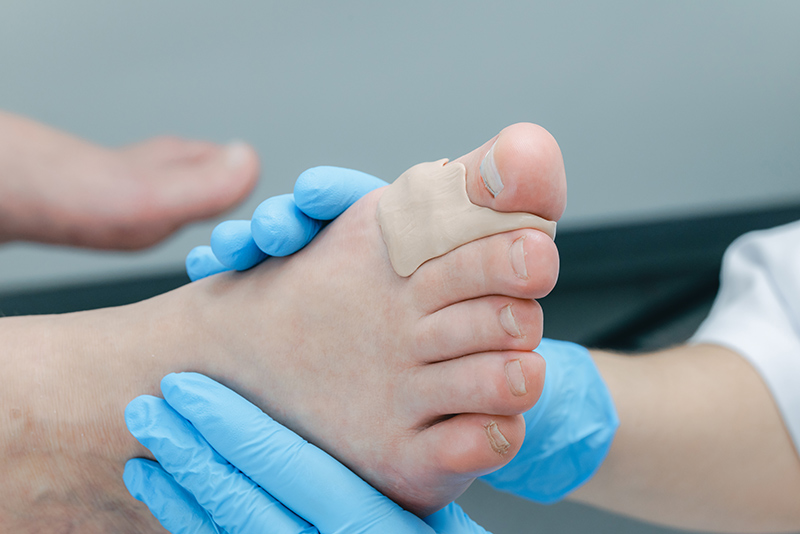
Bunion pads and cushions
These are placed over the bunion to reduce friction and protect the area from rubbing against shoes.
Toe spacers or splints
These devices help keep the toes in a more natural position, which may reduce discomfort. They are typically used during rest or inside footwear, depending on the design.
Orthotic insoles
Insoles can help redistribute weight more evenly across the foot and improve alignment, reducing stress on the big toe joint.
Physiotherapy and exercises
Targeted exercises can help maintain joint mobility and strengthen the surrounding muscles, which may improve support and reduce strain over time.
Taping techniques
In some cases, taping the foot can provide temporary support and relieve pressure on the affected joint.
While these treatments can be effective in managing pain, results vary from person to person. A combination of approaches is often needed to achieve the best outcome.
When Conservative Care May Not Be Enough
While many people are able to manage bunion pain with non-surgical measures, there are situations where these approaches may no longer provide sufficient relief. Persistent pain that does not improve despite footwear changes or supportive treatments can be a sign that the condition is progressing.
You may also notice increasing difficulty with everyday activities, such as walking, standing for long periods, or finding comfortable shoes. In some cases, the bunion may become more prominent over time, or episodes of swelling and inflammation may occur more frequently.
When these changes begin to affect your comfort or mobility, a more detailed assessment can help determine the next steps. While surgery is not always necessary, it may be considered when conservative measures are no longer effective and quality of life is affected.
There are different types of bunion surgery, and the most suitable approach depends on the severity of the deformity, joint condition, and individual lifestyle needs. Common procedures include:
- Osteotomy, where the bone is carefully cut and repositioned to improve alignment
- Exostectomy, which involves removing the bony prominence
- Lapidus procedure, which stabilises and fuses part of the joint near the arch to correct bunions associated with joint instability
- Arthrodesis, where the affected joint is fused in more severe or arthritic cases
- Minimally invasive bunion surgery, which uses smaller incisions and specialised techniques in selected patients
The goal of surgery is generally to relieve pain, improve alignment, and restore function. A specialist assessment can help determine whether surgery is appropriate and which approach may offer the best outcome.
Managing Bunion Pain with the Right Approach
Bunion pain can often be managed effectively with the right combination of simple changes and supportive treatments. Paying attention to early symptoms and making adjustments can help you stay comfortable and active. If pain persists or worsens, seeking professional advice can help you explore the most appropriate next steps.
SW Yung Orthopaedic, Foot & Shoulder Surgery is a bunion clinic in Singapore that takes a personalised and practical approach to managing bunion pain, focusing on relieving symptoms while preserving function. Dr Yung Shing Wai, an orthopaedic specialist with over 30 years of experience and fellowship training in foot and ankle surgery, provides careful assessment and clear guidance on both conservative and surgical options when needed. If bunion pain is affecting your daily activities or not improving with self-care measures, consider scheduling a consultation to explore treatment options suited to your condition.
FAQs About Reducing Bunion Pain Without Surgery
What is the fastest way to relieve bunion pain at home?
Simple measures such as wearing wider shoes, applying ice, and reducing activities that put pressure on the joint can help ease discomfort quickly, especially during flare-ups.
How long does it take to see improvement without surgery?
This varies depending on the individual and the severity of symptoms. Some people notice relief within weeks of making changes, while others may require longer-term management.
Do I need to wear supportive shoes all the time?
Consistency helps. While occasional use of less supportive footwear may be fine, regularly wearing well-fitted, supportive shoes is important for ongoing symptom control.
Get to Know Our Specialist
Dr Yung Shing Wai
Consultant Orthopaedic Surgeon
Orthopaedic, Foot and Shoulder Surgery
Dr Yung Shing Wai is a Consultant Orthopaedic Surgeon with more than 30 years of clinical experience, specialising in foot and ankle as well as shoulder conditions. He was the first fellowship-trained foot and ankle surgeon in Singapore and among the first orthopaedic surgeons in the country to receive fellowship training in shoulder surgery. Dr Yung completed advanced training at the University of Washington in Seattle and previously served at Singapore General Hospital, where he founded the Foot and Ankle Service in the Department of Orthopaedic Surgery. With decades of surgical experience, he is recognised for his contributions to advancing specialised orthopaedic care in Singapore.