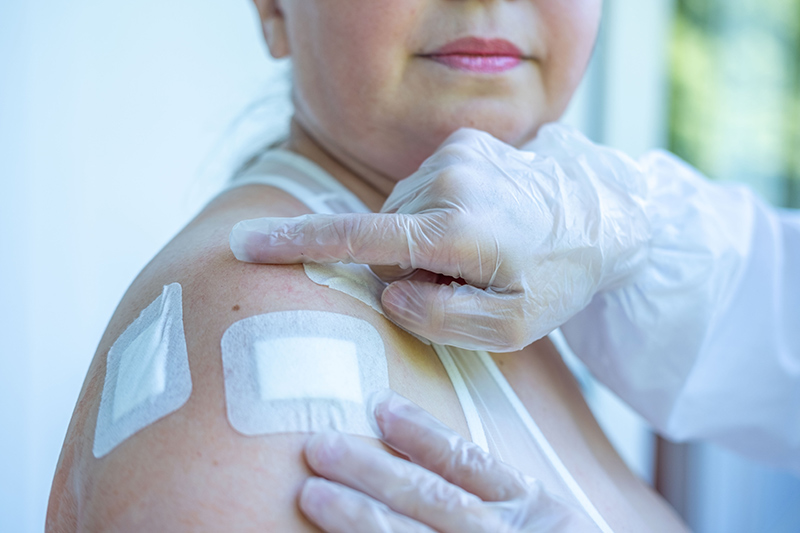
Rotator cuff surgery is an important step in repairing damaged tendons and restoring shoulder function, but the recovery process continues long after the procedure itself. Healing occurs gradually over several months, with different milestones marking the transition from protecting the repaired tendon to rebuilding strength and returning to everyday activities. Progress varies between individuals and is influenced by factors such as the severity of the tear, overall health and commitment to rehabilitation.
Recovery after rotator cuff surgery varies from person to person and often raises questions about whether healing is progressing as expected. Regular follow-up appointments provide an opportunity to review your recovery, discuss any concerns and determine when it is appropriate to progress through each stage of rehabilitation. Understanding what to expect during recovery can help you set realistic expectations and take an active role in your rehabilitation after rotator cuff surgery in Singapore.
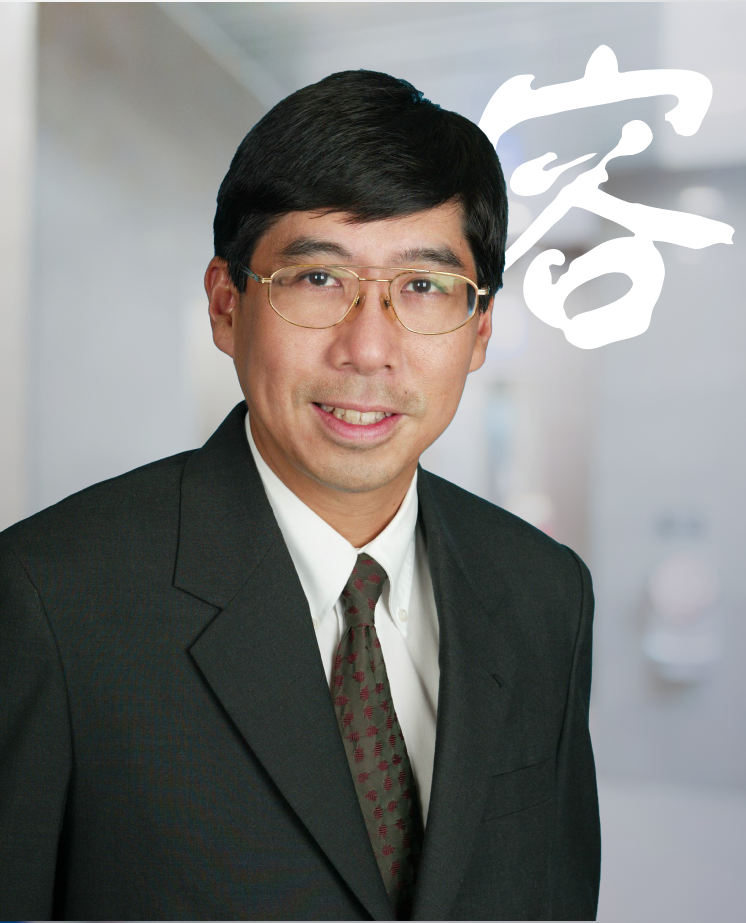
Dr Yung Shing Wai
Consultant Orthopaedic Surgeon
Orthopaedic, Foot and Shoulder Surgery
MBBS, National University of Singapore (1985)
FRCSEd (General Surgery), Royal College of Surgeons of Edinburgh, United Kingdom (1990)
FAMS (Orthopaedic Surgery), Academy of Medicine, Singapore (1997)
How Is Recovery Monitored After Rotator Cuff Surgery?
Recovery after rotator cuff surgery is a gradual process that extends beyond the healing of the surgical wound. During follow-up appointments, a rotator cuff specialist monitors how well the repaired tendon is healing, whether shoulder function is improving and if rehabilitation is progressing as expected. These assessments help identify any concerns early and guide adjustments to your recovery plan where necessary.
Pain Levels and Early Healing
During the first few weeks after surgery, the focus is on protecting the repaired tendon while allowing the body to begin healing. It is normal to experience pain, swelling and some bruising during this stage, although these symptoms should gradually improve over time.
A rotator cuff specialist may assess:
- Pain levels at rest and during gentle movement
- Swelling, bruising and wound healing
- Signs of infection or excessive inflammation
- Comfort while wearing the prescribed shoulder sling
If pain becomes progressively worse instead of improving, or if redness, fever or wound discharge develops, further evaluation may be required.
Range of Motion and Shoulder Mobility
As healing progresses, the next milestone is restoring shoulder mobility without placing excessive strain on the repaired tendon. Rehabilitation usually begins with passive movements before gradually progressing to active-assisted and active exercises under the guidance of a physiotherapist.
During follow-up visits, your specialist may monitor:
- Improvements in shoulder flexibility
- The ability to perform prescribed movements comfortably
- Signs of stiffness, including the development of a frozen shoulder
- Whether rehabilitation is progressing at an appropriate pace
Recovery schedules vary between individuals, and advancing exercises too quickly may increase stress on the healing tendon. Conversely, prolonged immobilisation may contribute to stiffness, making regular assessment important.
Tendon Healing and Shoulder Strength
As the tendon continues to heal, attention shifts towards rebuilding shoulder strength and restoring stability. Because tendon healing takes several months, strengthening exercises are introduced gradually to reduce the risk of overloading the repair.
Your rotator cuff specialist may evaluate:
- Strength of the rotator cuff and surrounding shoulder muscles
- Shoulder stability during movement
- Pain or weakness during functional activities
- Progression through the rehabilitation programme
Because tendon healing and muscle recovery do not always progress at the same rate, specialists assess strength and shoulder control before introducing more demanding strengthening exercises.
Recovery of Daily Function
A key goal of recovery is helping patients safely return to everyday activities while protecting the repaired tendon. The timeline varies depending on factors such as the size of the tear, the type of work performed and individual healing progress.
During follow-up appointments, a specialist may assess your readiness to:
- Perform personal care and household activities comfortably
- Resume desk-based or physically demanding work
- Drive safely when shoulder control has sufficiently recovered
- Return to recreational activities or sports where appropriate
Recommendations are tailored to each patient's recovery rather than following a fixed timeline. Progressing gradually helps reduce unnecessary strain on the healing tendon while supporting a safe return to normal activities.
What Factors Can Affect Recovery After Rotator Cuff Surgery?
Recovery varies between individuals because healing is influenced by both the injury and overall health. Understanding these factors can help explain differences in recovery time and why rehabilitation plans are tailored to each patient.
The Severity of the Rotator Cuff Tear
Not all rotator cuff tears require the same degree of repair. Larger or more complex tears often involve greater tendon damage, poorer tissue quality or multiple tendons, requiring a longer healing period.
Factors that may influence recovery include:
- The size of the tear
- Whether one or multiple tendons were repaired
- How much the tendon had retracted before surgery
- The quality of the remaining tendon tissue
More extensive repairs generally require a slower rehabilitation programme to allow adequate tendon healing.
Commitment to Rehabilitation
Following the prescribed rehabilitation programme is an important part of recovery. Physiotherapy and home exercises support shoulder function while protecting the repaired tendon.
Patients are generally encouraged to:
- Attend scheduled physiotherapy sessions
- Perform home exercises as instructed
- Wear the shoulder sling for the recommended duration
- Avoid activities beyond their current stage of recovery
Skipping rehabilitation exercises or returning to strenuous activities too soon may increase the risk of setbacks or compromise the surgical repair.
Poorly Controlled Diabetes Can Slow Tissue Healing
Diabetes can impair circulation and collagen formation, both of which are important for tendon healing. Patients with poorly controlled blood glucose levels may take longer to recover and have a higher risk of complications such as infection or post-operative stiffness. A rotator cuff specialist may work with the patient's primary care physician to help manage blood sugar before and after surgery while monitoring wound healing more closely.
Smoking Can Reduce Blood Supply to the Healing Tendon
Nicotine constricts blood vessels, reducing the oxygen and nutrients delivered to healing tissues. This may delay tendon healing and increase the risk of repair failure. Patients are often advised to stop smoking before surgery and remain smoke-free during recovery to support healing and reduce the likelihood of complications.
Nutritional Status Can Influence Recovery
Healing requires adequate protein, vitamins and minerals to support collagen production and tissue repair. Patients with poor nutritional status or inadequate protein intake may experience slower recovery.
Body Weight and Cardiovascular Health Can Affect Rehabilitation
Patients with obesity, cardiovascular disease or reduced physical fitness may find rehabilitation more demanding. These conditions can limit endurance, slow exercise progression and increase the time needed to regain function. Recovery plans are tailored to each patient's overall health to support safe, steady progress.
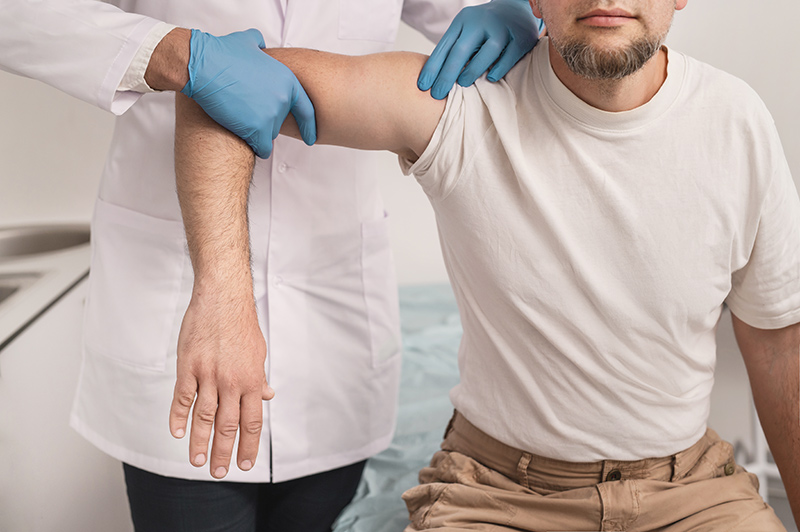
Recover with Personalised Guidance from Dr Yung Shing Wai
Recovery after rotator cuff surgery is a gradual process that extends beyond the operation itself. Successful outcomes depend on allowing the repaired tendon adequate time to heal, progressing through rehabilitation at an appropriate pace and addressing any factors that may influence recovery. Regular follow-up appointments enable specialists to monitor healing, assess functional progress and make timely adjustments to support a safe return to daily activities, work and sport.
At SW Yung Orthopaedic Clinic in Singapore, management approaches are guided by a detailed understanding of each patient's symptoms and treatment goals. Led by Dr Yung Shing Wai, patients benefit from extensive clinical experience and management plans designed to support both recovery and long-term mobility. Whether you are preparing for surgery, recovering from a rotator cuff repair or seeking guidance for ongoing shoulder symptoms, schedule a consultation for guidance towards making more informed decisions about your next steps.
FAQs About Recovery After Rotator Cuff Surgery
Is it normal for my shoulder to feel better on some days than others?
Yes. Recovery often fluctuates as your shoulder adapts to different stages of rehabilitation. Mild soreness after physiotherapy can be expected, but persistent worsening pain or a sudden loss of function should be assessed by your rotator cuff specialist.
Will I need an MRI after rotator cuff surgery?
Not usually. Most patients are monitored through follow-up examinations and functional assessments. An MRI or ultrasound may be recommended if recovery is slower than expected or if there are concerns about tendon healing.
Can I exercise while recovering from rotator cuff surgery?
Yes, but activities should follow your rehabilitation plan. Lower body exercises may be introduced earlier, while heavy lifting and overhead movements are usually delayed until your rotator cuff specialist confirms the shoulder has healed sufficiently.
How do specialists know when recovery is complete?
Recovery is based on your shoulder function rather than a fixed timeline. Your specialist assesses pain, strength, mobility and your ability to return safely to work, daily activities or sport before reducing follow-up care.
How long will I need to wear a sling after rotator cuff surgery?
Most patients wear a shoulder sling for several weeks after surgery to protect the repaired tendon while it begins to heal. The exact duration depends on the size of the tear, the type of repair performed and your surgeon's rehabilitation protocol. Your specialist will advise when it is safe to gradually reduce sling use.
Meet Our Rotator Cuff Specialist in Singapore
Dr Yung Shing Wai
Consultant Orthopaedic Surgeon
Orthopaedic, Foot and Shoulder Surgery
MBBS, National University of Singapore (1985)
FRCSEd (General Surgery), Royal College of Surgeons of Edinburgh, United Kingdom (1990)
FAMS (Orthopaedic Surgery), Academy of Medicine, Singapore (1997)
Dr Yung Shing Wai is an orthopaedic specialist in Singapore with over 30 years of clinical experience and a particular focus on foot, ankle and shoulder conditions. He is recognised as Singapore's first fellowship-trained foot and ankle surgeon and was also among the first fellowship-trained orthopaedic surgeons in the country specialising in shoulder surgery.
After graduating from the National University of Singapore in 1985, Dr Yung obtained his Fellowship with the Royal College of Surgeons of Edinburgh before pursuing sub-specialty fellowship training in Foot and Ankle Surgery and Shoulder Surgery at the University of Washington in Seattle. His extensive training has supported decades of experience in managing a wide range of musculoskeletal conditions and complex orthopaedic concerns.