
Dr Yung Shing Wai
Consultant Orthopaedic Surgeon
Orthopaedic, Foot and Shoulder Surgery
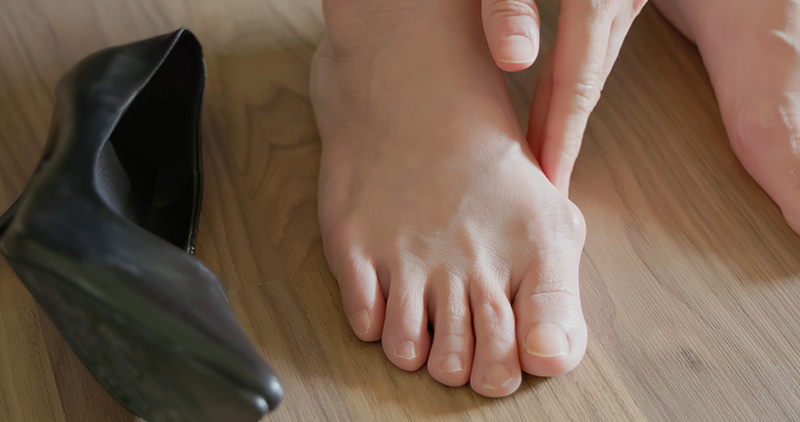
A bunion is a progressive deformity where the joint at the base of the big toe gradually shifts out of alignment. While some bunions remain mild for years, others become increasingly painful, affect walking, and make it difficult to wear shoes comfortably.
A bunion is generally considered serious when it causes ongoing pain, interferes with daily activities, or continues to worsen despite conservative care. Understanding these changes early may help you manage symptoms more effectively and decide when medical assessment is appropriate.
Key Takeaways
- A bunion becomes serious when it causes persistent pain, affects walking, or interferes with footwear and daily activities
- Bunions may gradually worsen over time if the joint continues to shift out of alignment
- Mild bunions can often be managed with conservative measures such as footwear changes and orthotic support
- Surgical treatment may be considered if symptoms persist despite non-surgical care
- The most appropriate treatment depends on the severity of the deformity, joint condition, symptoms, and lifestyle needs
When Is a Bunion Considered Serious?
A bunion is generally considered serious when it causes persistent pain, limits mobility, or continues to progress despite conservative treatment. While mild bunions may cause only occasional discomfort, more advanced cases can begin to interfere with walking, standing, exercise, and shoe fit.
Treatment may be recommended if you experience:
- Ongoing pain that does not improve with rest or footwear changes
- Difficulty walking or standing for long periods
- Problems wearing shoes comfortably
- Increasing size or visible toe deformity
- Swelling or inflammation around the joint
- Disruption to daily activities or quality of life
Not all bunions require medical treatment. However, when symptoms become persistent or begin affecting normal movement and comfort, it may indicate that the condition requires further assessment.
What Happens If a Bunion Is Left Untreated?
If left untreated, a bunion may gradually worsen over time, leading to increased pain, reduced mobility, and greater difficulty with daily activities.
As the joint continues to shift out of alignment, you may experience:
- More frequent or persistent pain, especially during walking or standing
- Increasing deformity, with the big toe moving further toward the second toe
- Difficulty wearing shoes comfortably due to pressure and friction on the bunion
- Joint stiffness that limits movement in the big toe
- Altered walking patterns used to avoid pressure on the bunion
Over time, these changes may place additional strain on other parts of the body, including the knees, hips, and lower back. In more advanced cases, the joint may become increasingly stiff and inflamed, making symptoms harder to manage with conservative measures.
While not all bunions progress at the same rate, early management may help reduce symptoms and slow further progression.
When Can a Bunion Be Managed Without Surgery?
A bunion can often be managed without surgery when symptoms are mild, manageable, and not significantly affecting daily activities or mobility.
Non-surgical treatment focuses on reducing pain and pressure on the joint rather than reversing the deformity itself. Conservative measures may include:
- Wearing shoes with a wide toe box and low heels
- Using orthotic insoles to improve foot support and alignment
- Applying bunion pads or cushions to reduce friction
- Modifying activities that increase pressure on the joint
These approaches may help relieve discomfort and reduce irritation, particularly when used consistently. However, if symptoms continue to worsen or begin affecting walking, movement, or quality of life, further medical assessment may be helpful.
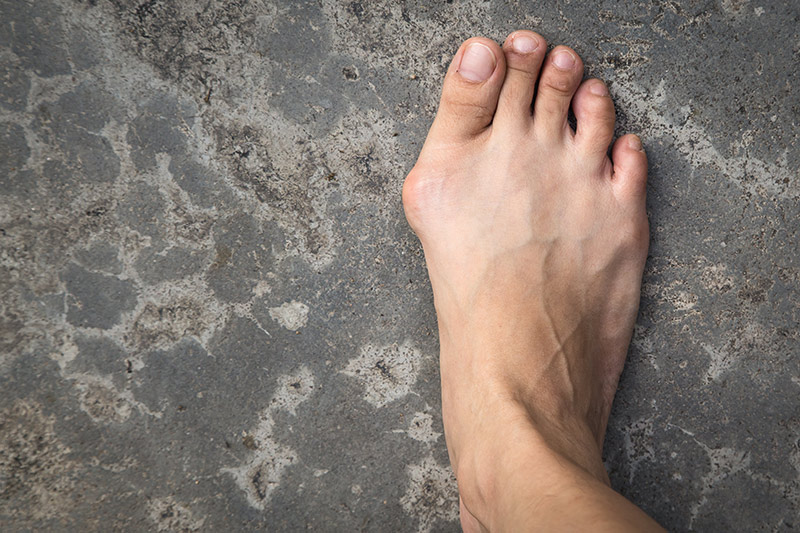
What Treatment Options Are Considered for More Severe Bunions?
When a bunion causes persistent pain, significant deformity, or ongoing difficulty with walking and footwear despite conservative care, surgical treatment may be considered.
The goal of bunion surgery is typically to improve alignment, reduce pain, and restore function. The most appropriate procedure depends on factors such as the severity of the bunion, joint flexibility, the presence of arthritis, activity level, and overall foot structure.
Common surgical approaches for bunions may include:
- Procedures that realign the bones around the big toe joint
- Joint-preserving techniques for flexible deformities
- Joint fusion procedures for severe arthritis or stiffness
- Soft tissue correction in selected cases
Not all bunions require surgery, and treatment recommendations vary from person to person. A specialist assessment can help determine whether conservative management remains appropriate or whether surgical correction may provide better long-term relief.
Taking the Right Steps at the Right Time in Bunion Care
A bunion becomes serious when it begins to affect your comfort, movement or daily activities. Recognising these changes early may help you to manage symptoms more effectively and avoid further progression. If you are unsure whether your bunion requires treatment, seeking professional advice can help you make a more informed decision.
SW Yung Orthopaedic, Foot & Shoulder Surgery is an orthopaedic clinic in Singapore with extensive experience in managing bunions and other complex foot conditions. Dr Yung Shing Wai, an orthopaedic specialist with over 30 years of experience, was the first fellowship-trained foot and ankle surgeon in Singapore and has played a pioneering role in the development of bunion and foot surgery techniques locally. If your bunion is becoming more painful, affecting mobility, or interfering with daily activities, consider scheduling a consultation to explore treatment options tailored to your condition.
FAQs About Bunion Treatment
Can I ignore a bunion if it doesn't hurt?
If it is not causing pain or functional problems, it may not need treatment. However, monitoring for changes is important, as symptoms can develop gradually.
Can a bunion suddenly become painful without getting bigger?
Yes, pain can increase due to inflammation, pressure from footwear, or changes in activity, even if the size of the bunion has not changed significantly.
Do bunions behave differently in younger vs older adults?
In younger individuals, bunions may be more related to inherited foot structure, while in older adults, progression may be influenced by long-term wear and tear or joint changes.
Do bunions worsen faster in some people than others?
Yes, progression varies. Factors such as genetics, activity level and footwear habits can influence how quickly a bunion changes over time.
When is bunion surgery usually considered?
Bunion surgery is typically considered when pain, walking difficulty, or deformity continues despite conservative treatment. Surgery may also be recommended if the bunion significantly affects daily activities or shoe fit.
Get to Know Our Specialist
Dr Yung Shing Wai
Consultant Orthopaedic Surgeon
Orthopaedic, Foot and Shoulder Surgery
Dr Yung Shing Wai is a Consultant Orthopaedic Surgeon with more than 30 years of clinical experience, specialising in foot and ankle as well as shoulder conditions. He was the first fellowship-trained foot and ankle surgeon in Singapore and among the first orthopaedic surgeons in the country to receive fellowship training in shoulder surgery. Dr Yung completed advanced training at the University of Washington in Seattle and previously served at Singapore General Hospital, where he founded the Foot and Ankle Service in the Department of Orthopaedic Surgery. With decades of surgical experience, he is recognised for his contributions to advancing specialised orthopaedic care in Singapore.