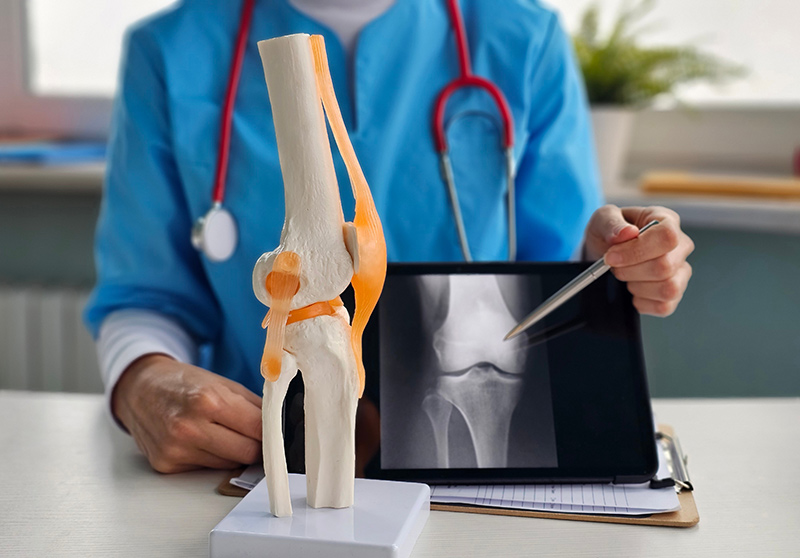
When knee pain occurs during twisting or squatting, even routine activities such as climbing stairs, exercising, or getting out of a chair can become challenging. While temporary discomfort may occur after strenuous activity, pain that persists or repeatedly returns should not be ignored.
Twisting and squatting place considerable stress on the knee joint and ongoing symptoms may indicate problems involving the meniscus, ligaments, cartilage, tendons, or other structures within the knee. Understanding the possible causes of persistent knee pain can help you recognise when medical evaluation may be necessary and what treatment options are available.
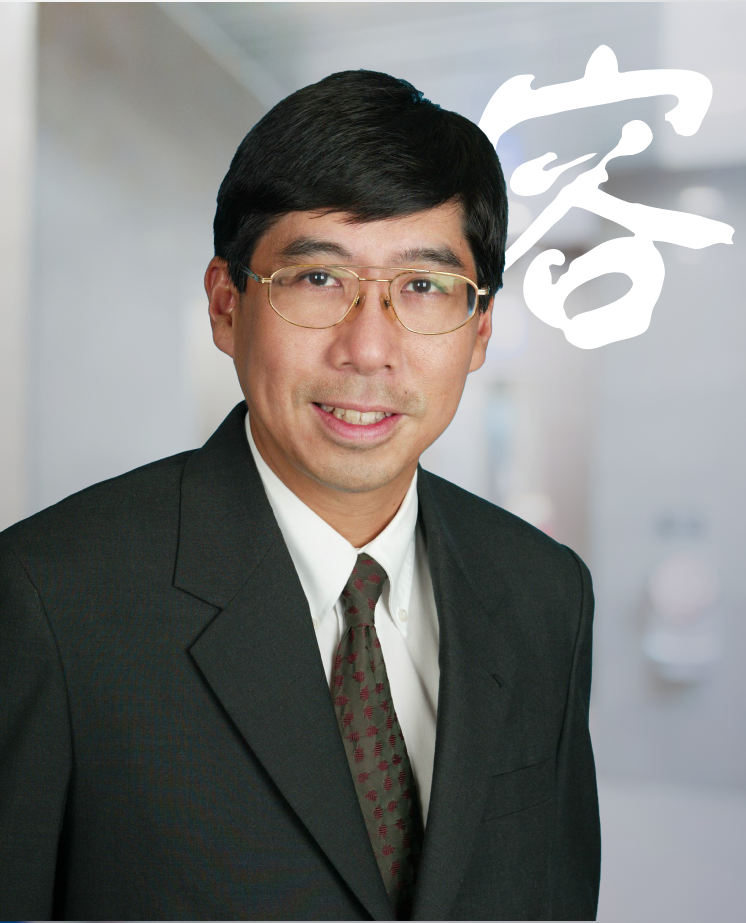
Dr Yung Shing Wai
Consultant Orthopaedic Surgeon
Orthopaedic, Foot and Shoulder Surgery
MBBS (Singapore), FRCS (Edinburgh), FAMS (Singapore)
Common Causes of Knee Pain During Twisting and Squatting
Twisting and squatting place considerable stress on the knee joint, requiring multiple structures—including cartilage, ligaments, tendons, and muscles—to work together smoothly. When one or more of these structures become injured, irritated, or worn down, pain can develop during everyday movements. Persistent symptoms that do not improve with rest may indicate an underlying condition that warrants further evaluation.
Meniscus Injuries
The meniscus is a C-shaped cartilage that cushions and stabilises the knee joint. Meniscus injuries commonly occur during twisting, pivoting, or deep squatting movements, but can also develop gradually due to age-related wear and tear.
Symptoms often include pain when twisting or squatting, swelling, stiffness, and sensations of catching or locking in the knee. Because meniscus injuries can affect knee function and mobility, persistent symptoms should be assessed by a healthcare professional.
Patellofemoral Pain Syndrome
Patellofemoral pain syndrome, sometimes referred to as "runner's knee," occurs when the kneecap does not move smoothly within its groove. This can lead to irritation of the surrounding tissues and discomfort at the front of the knee. People with this condition frequently experience pain when squatting, climbing stairs, kneeling, or sitting for extended periods.
Ligament Injuries and Instability
The ligaments of the knee help maintain stability during movement. Injuries to structures such as the anterior cruciate ligament (ACL) or collateral ligaments can result in ongoing pain and a feeling that the knee may give way during twisting motions. Even partial ligament injuries can cause chronic discomfort if left untreated.
Osteoarthritis
Osteoarthritis develops when the cartilage that cushions the knee joint gradually breaks down over time. As the protective cartilage wears away, bones may rub together, leading to pain, stiffness, and reduced mobility. Squatting and other weight-bearing activities often aggravate symptoms, particularly in older adults.
Tendon and Soft Tissue Conditions
Inflammation or degeneration of the tendons around the knee can also contribute to pain during movement. Conditions such as patellar tendinopathy or quadriceps tendinopathy commonly affect individuals who participate in sports involving jumping, running, or repetitive knee bending. These conditions often cause localized pain that worsens with activity.
Cartilage Damage and Other Joint Problems
In some cases, damage to the articular cartilage that lines the joint surfaces can cause persistent pain, swelling, and mechanical symptoms. Less common causes include inflammatory arthritis, loose bodies within the joint, or alignment issues that place excessive stress on specific areas of the knee.
Because many knee conditions share similar symptoms, persistent pain that interferes with daily activities should be assessed by a healthcare professional to determine the underlying cause and guide appropriate treatment.
When to Seek Medical Attention for Persistent Knee Pain
It is not uncommon to experience temporary knee discomfort after strenuous activity or a minor injury. However, if pain during twisting or squatting persists for several weeks, worsens over time, or continues to interfere with daily activities, it may be a sign of an underlying knee condition that requires medical evaluation.
Ongoing Pain That Does Not Improve
Knee pain that does not respond to rest, activity modification, or other conservative measures should be assessed by a healthcare professional. Persistent symptoms may indicate injuries involving the meniscus, cartilage, ligaments, or other structures within the knee.
Mechanical Symptoms Such as Locking or Instability
Sensations of locking, catching, clicking, or the knee giving way should not be ignored. These symptoms can suggest structural problems within the joint, such as a meniscus injury or ligament damage, which may require further investigation.
Swelling and Reduced Mobility
Recurring swelling, stiffness, or difficulty fully bending or straightening the knee may indicate ongoing inflammation or joint damage. Seeking medical attention early can help identify the cause and prevent symptoms from progressing.
A thorough evaluation may include a physical examination and imaging tests, such as X-rays or MRI scans, to determine the source of the pain and guide appropriate treatment.
Diagnosis and Treatment Options for Ongoing Knee Pain
Accurately diagnosing the cause of persistent knee pain is important for developing an effective treatment plan. During a consultation, your doctor will review your symptoms, medical history, and any recent injuries before performing a physical examination to assess the knee's stability, range of motion, and areas of tenderness.
Diagnostic Tests
Depending on the suspected cause of your symptoms, imaging tests may be recommended. X-rays can help identify conditions affecting the bones and joint space, such as osteoarthritis, while MRI scans provide detailed images of soft tissues, including the meniscus, ligaments, tendons, and cartilage.
Non-Surgical Treatment Options
Many causes of knee pain can be managed without surgery. Treatment may include activity modification, physiotherapy, anti-inflammatory medications, and targeted exercises to improve strength, flexibility, and joint stability. These approaches aim to reduce pain, restore function, and prevent further injury.
Surgical Treatment Options
If symptoms persist despite conservative treatment or significant structural damage is present, surgery may be recommended. Depending on the condition, procedures may include arthroscopic, also known as "keyhole surgery” to repair or remove damaged tissue, ligament reconstruction, or other techniques to restore knee function. Minimally invasive approaches use smaller incisions and specialised instruments, which may result in less pain, reduced scarring, and faster recovery compared to traditional open surgery.
Prompt Knee Assessment and Treatment at SW Yung Orthopaedic Clinic
Persistent knee pain during twisting or squatting may be caused by a range of conditions, from meniscus injuries and ligament damage to arthritis and tendon-related problems. While some cases improve with conservative treatment, ongoing symptoms, swelling, instability, or reduced mobility may indicate the need for medical evaluation.
At SW Yung Orthopaedic Clinic, we are committed to helping patients identify the underlying cause of their knee pain and develop personalised treatment plans to restore function and mobility. Under the care of Dr Yung Shing Wai, patients receive comprehensive orthopaedic assessment and access to both non-surgical and surgical treatment options tailored to their needs.
If you are experiencing persistent knee pain that is affecting your daily activities, contact us today to schedule a consultation and take the first step towards recovery.
Frequently Asked Questions (FAQs) About Ongoing Knee Pain
Why does my knee hurt when I squat but not when I walk?
Squatting places greater pressure on the knee joint and surrounding structures than walking. Pain that occurs specifically during squatting may be associated with conditions such as patellofemoral pain syndrome, meniscus injuries, tendon problems, or cartilage damage.
How long does it take to recover from a knee injury?
Recovery time varies depending on the underlying condition and the treatment required. Mild soft tissue injuries may improve within a few weeks, while more significant injuries or surgical recovery may take several months. A doctor can provide a more accurate timeline based on your diagnosis.
What activities should I avoid if twisting movements trigger knee pain?
Activities that involve sudden pivoting, deep squatting, jumping, or rapid changes in direction may aggravate symptoms. Modifying these activities until the knee has been properly assessed can help prevent further irritation or injury.
What can I expect during a knee pain consultation?
During a consultation, your doctor will discuss your symptoms, medical history, and activity levels before examining your knee. Depending on the findings, additional investigations such as X-rays or MRI scans may be recommended to confirm the diagnosis and guide treatment.
Can knee pain return after treatment?
Yes. While many patients experience lasting relief after treatment, knee pain can sometimes recur, especially if the underlying condition is chronic or contributing factors such as muscle weakness, joint degeneration, or repetitive strain are not addressed. Following your treatment plan and maintaining knee strength and flexibility can help reduce the risk of recurrence.
Meet Our Knee Pain Specialist in Singapore
Dr Yung Shing Wai
Consultant Orthopaedic Surgeon
Orthopaedic, Foot and Shoulder Surgery
MBBS (Singapore), FRCSEd (Edin), FAMS (Singapore)
Dr Yung Shing Wai is a consultant orthopaedic surgeon with more than 30 years of clinical experience, specialising in foot and ankle as well as shoulder conditions. He was the first fellowship-trained foot and ankle surgeon in Singapore and among the first orthopaedic surgeons in the country to receive fellowship training in shoulder surgery. Dr Yung completed advanced training at the University of Washington in Seattle and previously served at Singapore General Hospital, where he founded the Foot and Ankle Service in the Department of Orthopaedic Surgery. With decades of surgical experience, he is recognised for his contributions to advancing specialised orthopaedic care in Singapore.