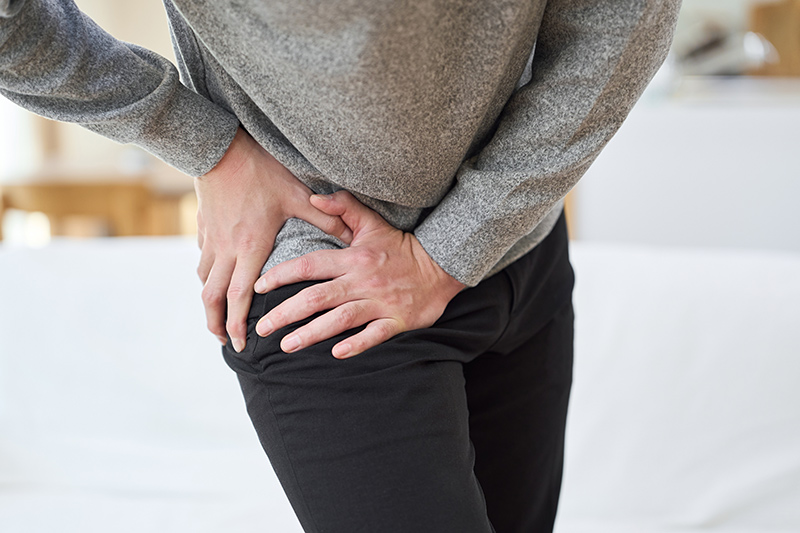
Hip pain after a fall is often assumed to be nothing more than a bruise or muscle strain, especially if you are still able to stand and walk. However, the ability to walk does not always rule out a more serious injury. Certain hip fractures, particularly stable or undisplaced fractures, may initially cause only mild pain and allow limited weight-bearing, making them easy to overlook.
If your hip pain persists after a fall or does not improve as expected, it should not be ignored. Recognising the warning signs of a more significant injury and seeking medical assessment when appropriate can help ensure an accurate diagnosis and timely treatment, supporting your long-term mobility.

Dr Yung Shing Wai
Consultant Orthopaedic Surgeon
Orthopaedic, Foot and Shoulder Surgery
MBBS, National University of Singapore (1985)
FRCSEd (General Surgery), Royal College of Surgeons of Edinburgh, United Kingdom (1990)
FAMS (Orthopaedic Surgery), Academy of Medicine, Singapore (1997)
Why Is Hip Pain After a Fall Easy to Dismiss?
Hip pain after a fall can be difficult to interpret because symptoms do not always reflect the severity of the injury. While bruising and muscle strains are common after a fall, certain hip fractures may present less obviously, particularly in the early stages. Recognising these different presentations can help you decide when medical assessment is appropriate.
You May Still Be Able to Walk with a Hip Fracture
Many people assume that walking after a fall means they have not broken a bone. However, some hip fractures, particularly undisplaced or incomplete fractures, remain stable enough to allow limited weight-bearing. Although walking may be painful or cause a limp, it does not rule out a fracture. Continuing normal activities without assessment may cause the fracture to become displaced, making treatment more complex.
Pain May Feel Mild at First
Hip fractures do not always cause immediate, severe pain. Some people experience only a dull ache in the groin, outer hip or upper thigh that becomes more noticeable when standing, climbing stairs or changing position. Since these symptoms resemble a muscle strain or bruise, many people wait for the pain to settle before seeking medical advice.
Symptoms Can Resemble Less Serious Injuries
Falls commonly result in bruising, soft tissue injuries or muscle strains, all of which can produce similar pain around the hip. Without obvious deformity or severe swelling, it can be difficult to distinguish these injuries from a hip fracture based on symptoms alone. As a result, the underlying fracture may be overlooked until pain persists or mobility worsens.
Older Adults May Not Show Typical Signs
Older adults, particularly those with osteoporosis, may sustain a hip fracture after a relatively minor fall. Instead of severe pain, they may notice increasing stiffness, groin discomfort or difficulty walking over the following hours or days. These less obvious symptoms can delay diagnosis, highlighting the importance of prompt assessment by a hip fracture surgeon if hip pain persists after a fall.
What Signs Suggest Hip Pain After a Fall May Be a Hip Fracture?
Although not every fall causes a fracture, certain symptoms should raise suspicion of a more significant injury. Some signs appear immediately, while others develop gradually over the hours following the fall. Recognising these symptoms early and seeking prompt assessment from a hip fracture doctor can help confirm the diagnosis and allow appropriate hip fracture treatment in Singapore before the injury becomes more complicated.
Persistent Pain in the Groin, Hip or Upper Thigh
Hip fracture pain is commonly felt in the groin but may also spread to the outer hip, buttock or upper thigh. Unlike a bruise, the pain usually persists and often worsens when standing, walking or rotating the leg.
Pain That Worsens When Bearing Weight
Some people with a stable hip fracture can still walk, but weight-bearing is usually painful. If hip pain consistently worsens when standing, walking or climbing stairs after a fall, a fracture should be considered.
Difficulty Moving the Hip Normally
A hip fracture may reduce your ability to move the affected leg comfortably. You may experience stiffness or pain when lifting the leg, turning the foot inward or outward or getting in and out of a chair or bed. These limitations can indicate injury to the hip joint or surrounding bone.
Changes in the Appearance or Position of the Leg
More severe fractures may cause swelling, bruising, a shortened leg or the foot turning outward. These signs suggest the broken bone has shifted and require urgent medical assessment.
Symptoms That Do Not Improve After a Fall
More severe fractures may cause swelling, bruising, a shortened leg or the foot turning outward. These signs suggest the broken bone has shifted and require urgent medical assessment.

What Can Happen If You Ignore Hip Pain and Continue Walking?
Being able to walk after a fall can create a false sense of reassurance. If the pain is caused by an undiagnosed hip fracture, continuing to bear weight may worsen the injury and make treatment more complicated. Seeking early medical assessment can help identify the cause of your symptoms before the injury worsens and determine the most appropriate treatment.
A Stable Fracture May Become Displaced
Some hip fractures are initially stable, meaning the broken bone has not shifted significantly. However, continuing to bear weight on the injured hip may cause the fracture to move out of alignment. If this happens, treatment may become more complex and recovery may take longer.
Delayed Treatment May Increase the Risk of Complications
Delaying assessment and treatment may increase the risk of complications associated with hip fractures. These can include prolonged immobility, blood clots, pressure injuries and muscle weakness, particularly in older adults. Early diagnosis allows appropriate treatment to begin before the injury becomes more unstable.
Recovery May Become Longer and More Challenging
When treatment is delayed, patients may experience greater pain, reduced mobility and a longer rehabilitation period. More severe fractures may require more extensive surgery, a longer course of physiotherapy and ongoing support for bone health during recovery.
Get Prompt Assessment for Hip Pain After a Fall with Dr Yung Shing Wai
Hip pain after a fall should not be dismissed simply because you are still able to walk. Some hip fractures cause only mild symptoms initially, yet may worsen if left untreated. Recognising persistent pain, difficulty bearing weight or reduced mobility and seeking timely assessment can help ensure an accurate diagnosis and appropriate treatment before complications develop.
At SW Yung Orthopaedic Clinic in Singapore, management approaches are guided by a detailed understanding of each patient's symptoms and treatment goals. Led by Dr Yung Shing Wai, patients benefit from extensive clinical experience and management plans designed to support both recovery and long-term mobility. If you continue to experience hip pain after a fall, even if you are still able to walk, schedule a consultation for guidance towards making more informed decisions about your next steps.
FAQs About Hip Pain After a Fall
Can an X-ray miss a hip fracture?
Yes. Some small or undisplaced hip fractures may not be visible on an initial X-ray. If a hip fracture is still suspected based on your symptoms and examination findings, additional imaging such as an MRI or CT scan may be recommended to confirm the diagnosis.
When should I go to the emergency department after a fall?
You should seek urgent medical attention if you are unable to bear weight, have severe hip pain, notice your leg appears shortened or turned outward, or experience rapidly worsening pain after a fall. Even if you can still walk, persistent hip pain that does not improve should be assessed promptly.
What other injuries can cause hip pain after a fall?
Not all hip pain following a fall is caused by a fracture. Other possible injuries include muscle strains, ligament sprains, bone bruises, tendon injuries or pelvic fractures. An orthopaedic assessment helps determine the underlying cause and ensures you receive the most appropriate treatment for your condition.
Does age affect the risk of a hip fracture after a fall?
Yes. As people age, bones often become less dense and more fragile, increasing the likelihood of a hip fracture even after a relatively minor fall. Younger individuals usually require a higher-impact injury to sustain a hip fracture, although it can still occur in accidents or sporting injuries.
Meet Our Orthopaedic Specialist in Singapore
Dr Yung Shing Wai
Consultant Orthopaedic Surgeon
Orthopaedic, Foot and Shoulder Surgery
MBBS, National University of Singapore (1985)
FRCSEd (General Surgery), Royal College of Surgeons of Edinburgh, United Kingdom (1990)
FAMS (Orthopaedic Surgery), Academy of Medicine, Singapore (1997)
Dr Yung Shing Wai is an orthopaedic specialist in Singapore with over 30 years of clinical experience and a particular focus on foot, ankle and shoulder conditions. He is recognised as Singapore's first fellowship-trained foot and ankle surgeon and was also among the first fellowship-trained orthopaedic surgeons in the country specialising in shoulder surgery.
After graduating from the National University of Singapore in 1985, Dr Yung obtained his Fellowship with the Royal College of Surgeons of Edinburgh before pursuing sub-specialty fellowship training in Foot and Ankle Surgery and Shoulder Surgery at the University of Washington in Seattle. His extensive training has supported decades of experience in managing a wide range of musculoskeletal conditions and complex orthopaedic concerns.