
Your feet support your entire body every day, absorbing impact, maintaining balance and allowing you to walk, stand and stay active. Because they work so hard, it is easy to assume that, if they are not in pain, they are healthy. However, this is not always the case. Some foot conditions develop gradually over months or even years, causing subtle changes in foot shape, toe alignment or walking patterns long before pain becomes noticeable. As these structural changes progress, they can place increasing strain on the joints, tendons and ligaments, eventually affecting mobility and making everyday activities more difficult.
It is understandable to overlook these gradual changes, especially when they do not interfere with daily life. However, recognising them early can make a significant difference to treatment options and long-term foot health. Understanding why some foot conditions worsen without pain, which conditions are most commonly involved and when it is time to see a foot doctor for a professional assessment can help you take better care of your feet.

Dr Yung Shing Wai
Consultant Orthopaedic Surgeon
Orthopaedic, Foot and Shoulder Surgery
MBBS, National University of Singapore (1985)
FRCSEd (General Surgery), Royal College of Surgeons of Edinburgh, United Kingdom (1990)
FAMS (Orthopaedic Surgery), Academy of Medicine, Singapore (1997)
Key Takeaways
- Progressive conditions such as bunions, flat feet, hammer toes and early arthritis may first present as subtle changes in foot shape or walking.
- Changes in shoe fit, foot alignment or balance should not be ignored, even if they are not painful.
- Early assessment by a foot doctor may help identify underlying structural problems before they begin to affect mobility or daily activities.
- Timely treatment may help preserve foot function, improve mobility and reduce the need for more invasive interventions later on.
Why Do Some Foot Conditions Worsen Without Causing Pain?
Many foot conditions develop slowly, giving the body time to compensate for changes in foot alignment and biomechanics. As a result, you may unconsciously alter the way you walk or distribute weight across your feet, masking symptoms while the underlying condition continues to progress.
Gradual Structural Changes Allow the Body to Adapt
As foot alignment changes over time, you may unconsciously adjust the way you walk or distribute weight to compensate. Even the opposite foot may take on more of the workload, masking symptoms while the underlying condition continues to progress.
Early Structural Changes May Cause Minimal Discomfort
Changes affecting the bones, ligaments or joint alignment may cause minimal discomfort in the early stages. Pain often develops only after surrounding joints, tendons or soft tissues become overloaded.
Reduced Activity Can Mask Symptoms
Reduced activity due to ageing, lifestyle changes or other health conditions places less stress on the feet. This can make progressive foot conditions less noticeable, even as structural changes continue.
Pain Often Develops After Secondary Problems Occur
Pain often develops only after structural changes place increasing stress on the joints, tendons, ligaments or surrounding soft tissues. By then, the condition may already have progressed.
How Do Some Foot Conditions Progress Quietly?
Several foot conditions develop gradually and may cause few or no symptoms in their early stages. Although they often begin with subtle changes in foot shape or walking mechanics, they can continue to worsen over time if left untreated.
Bunions
A bunion develops when the joint at the base of the big toe gradually shifts out of alignment. Early bunions may appear as a small bump with little discomfort, making them easy to ignore. As the deformity progresses, the toe may drift further inward, affecting shoe fit, walking comfort and the alignment of neighbouring toes.
Flat Feet (Adult-Acquired Flatfoot)
Adult-acquired flatfoot occurs when the arch gradually collapses because the supporting tendons and ligaments become weakened. The condition may initially cause only mild tiredness or subtle changes in foot shape. Without treatment, it can alter walking mechanics and place additional strain on the ankle, knee and other joints.
Hammer Toes and Claw Toes
Hammer toes and claw toes develop when muscle and tendon imbalances cause one or more toes to bend abnormally. The deformity often starts gradually and may not be painful at first. As it progresses, the toes can become rigid, making it more difficult to wear shoes comfortably and increasing the risk of corns and calluses.
Early Arthritis
Arthritis in the foot often develops gradually as joint cartilage wears down over time. Early changes may cause only occasional stiffness or reduced flexibility rather than significant pain. Identifying joint degeneration early allows treatment to focus on preserving mobility and slowing further progression.
When Should You Seek Assessment for Foot Changes?
Many people assume they only need to see a foot doctor when pain becomes severe. However, gradual changes in the appearance or function of your feet can indicate an underlying condition that is continuing to progress.
Your Foot Shape or Toe Alignment Is Changing
Changes such as a developing bunion, collapsing arches or toes that begin to bend or overlap may indicate a progressive structural condition, even if they are not painful.
You Are Finding It Harder to Wear Your Usual Shoes
Needing wider shoes or noticing increased pressure or discomfort in previously comfortable footwear may be an early sign of changing foot alignment, even before pain develops.
Walking or Standing Feels Different
Changes in your walking pattern, balance or increased fatigue after standing may indicate that your feet are no longer functioning normally. Early assessment can help identify the underlying cause.
You Develop Recurring Corns, Calluses or Pressure Areas
Recurring corns, calluses or thickened skin may result from abnormal pressure caused by underlying structural changes. Treating the cause can help reduce recurrence.
Symptoms Begin to Affect Your Daily Activities
If mild discomfort, stiffness or instability starts interfering with walking, exercise or daily activities, a foot doctor can assess the cause and recommend appropriate treatment before the condition worsens.
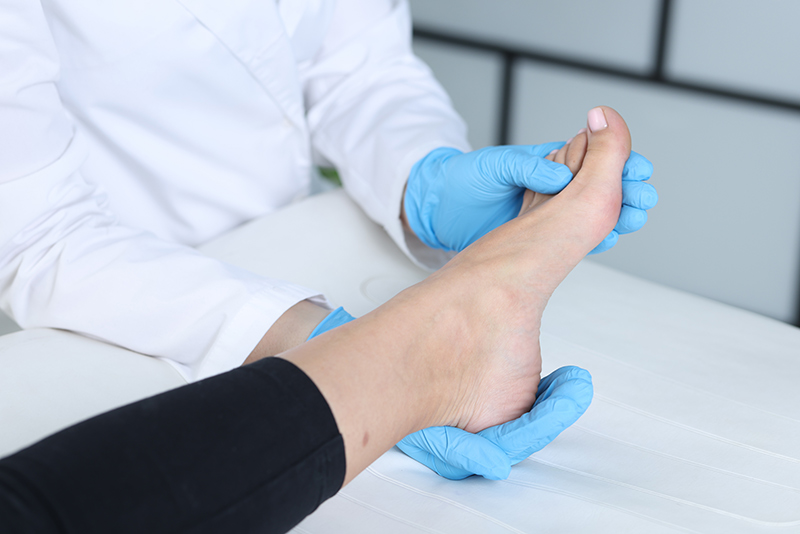
Protect Your Foot Health Early with Dr Yung Shing Wai
Many foot conditions develop gradually, meaning noticeable pain may not appear until the deformity or structural problem has already progressed. Paying attention to subtle changes in foot shape, walking pattern or shoe fit can help identify problems before they begin to affect your mobility and quality of life.
At SW Yung Orthopaedic Clinic in Singapore, management approaches are guided by a detailed understanding of each patient's symptoms and treatment goals. Led by Dr Yung Shing Wai, patients benefit from extensive clinical experience and management plans designed to relieve symptoms, preserve function and reduce the risk of future complications . If you have noticed gradual changes in your feet, schedule a consultation for guidance towards making more informed decisions about your next steps.
FAQs About Progressive Foot Conditions
Can a foot deformity stop progressing on its own?
Most structural foot deformities, such as bunions and hammer toes, do not usually reverse on their own. Their progression varies and may be influenced by genetics, footwear, joint mechanics and activity levels. Early management may help control symptoms and reduce strain on affected areas.
Are gradually worsening foot conditions always caused by ageing?
No. Although age-related changes can contribute to certain foot problems, progressive conditions may also result from inherited foot structure, previous injuries, tendon dysfunction, arthritis or repeated stress on the feet. These conditions can affect adults of various ages, not just older individuals.
Can orthotics prevent foot deformities from getting worse?
Custom or prefabricated orthotics may help support the foot, improve alignment and reduce pressure on affected areas for some conditions. However, they do not correct existing deformities. A foot doctor can determine whether orthotics are appropriate as part of your overall treatment plan.
Can wearing the wrong shoes cause foot deformities?
Poorly fitting shoes do not usually cause foot deformities on their own, but they can contribute to symptoms and may worsen existing conditions such as bunions or hammer toes. Choosing supportive, well-fitting footwear may help improve comfort and reduce pressure on affected areas.
Will I always need surgery for a progressive foot condition?
Not necessarily. Many progressive foot conditions can be managed with non-surgical treatments, particularly when diagnosed early. Depending on the condition, these may include footwear modifications, orthotics, physiotherapy or activity adjustments. Surgery is generally considered when symptoms persist despite conservative treatment or when the deformity significantly affects function.
Meet Our Orthopaedic Specialist in Singapore
Dr Yung Shing Wai
Consultant Orthopaedic Surgeon
Orthopaedic, Foot and Shoulder Surgery
MBBS, National University of Singapore (1985)
FRCSEd (General Surgery), Royal College of Surgeons of Edinburgh, United Kingdom (1990)
FAMS (Orthopaedic Surgery), Academy of Medicine, Singapore (1997)
Dr Yung Shing Wai is an orthopaedic specialist in Singapore with over 30 years of clinical experience and a particular focus on foot, ankle and shoulder conditions. He is recognised as Singapore's first fellowship-trained foot and ankle surgeon and was also among the first fellowship-trained orthopaedic surgeons in the country specialising in shoulder surgery.
After graduating from the National University of Singapore in 1985, Dr Yung obtained his Fellowship with the Royal College of Surgeons of Edinburgh before pursuing sub-specialty fellowship training in Foot and Ankle Surgery and Shoulder Surgery at the University of Washington in Seattle. His extensive training has supported decades of experience in managing a wide range of musculoskeletal conditions and complex orthopaedic concerns.