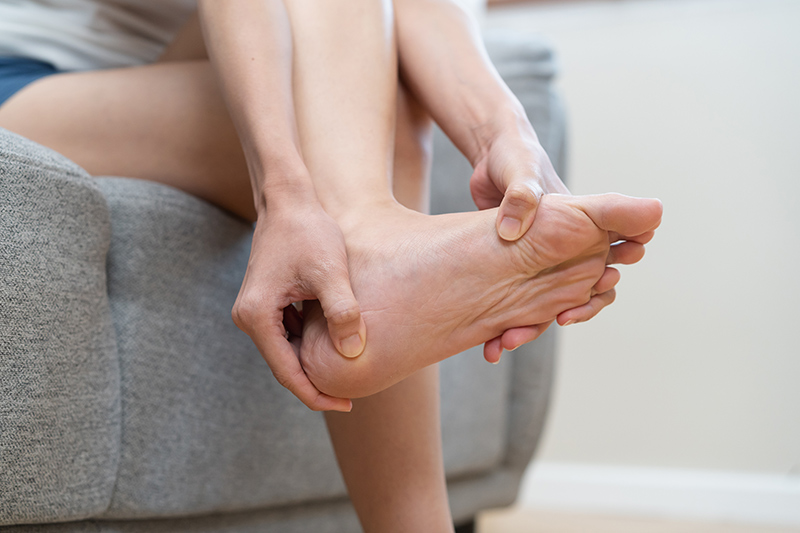
Heel pain often responds well to rest, physiotherapy, footwear adjustments and other conservative treatments. However, symptoms that return after a period of relief may suggest incomplete recovery, ongoing stress on the foot or another condition contributing to persistent discomfort. Understanding why heel pain recurs can help guide appropriate treatment and support longer-term recovery.
Dr Yung Shing Wai
Consultant Orthopaedic Surgeon
Orthopaedic, Foot and Shoulder Surgery
MBBS, National University of Singapore (1985)
FRCSEd (General Surgery), Royal College of Surgeons of Edinburgh, United Kingdom (1990)
FAMS (Orthopaedic Surgery), Academy of Medicine, Singapore (1997)
Key Takeaways
- Heel pain can recur even after initial improvement
- Incomplete healing may cause symptoms to return during activity
- Ongoing strain from footwear, exercise or biomechanics can contribute to repeated discomfort
- Some underlying conditions can mimic common causes of heel pain
Why Does Heel Pain Return Despite Initial Improvement?
Heel pain often develops from repeated stress on tissues around the foot. While treatment may ease symptoms, improvement does not always mean healing is complete.
Incomplete Tissue Recovery
Pain often improves before healing is fully complete. This can create the impression that the foot has recovered when affected tissues remain vulnerable.
For example, someone with plantar fascia irritation may feel better after resting for several weeks and decide to return quickly to running or prolonged walking. If the tissue has not regained its strength and tolerance, symptoms may gradually return.
Incomplete recovery may become more likely when:
- Activity is resumed too quickly
- Rehabilitation exercises are stopped early
- Rest periods are insufficient
- Treatment focuses only on pain relief rather than recovery of function
Persistent Mechanical Stress
The heel absorbs substantial force during walking, running and standing. If factors contributing to that strain remain unchanged, repeated irritation may occur.
Examples include:
- Poorly supportive footwear
- Prolonged standing on hard surfaces
- Sudden increases in exercise intensity
- Abnormal walking patterns
- Tight calf muscles
Even when symptoms improve initially, repeated loading can continue placing pressure on the same structures.
Returning to Activity Too Quickly
Many people increase activity once discomfort begins settling. While this may seem reasonable, tissues often adapt more slowly than symptoms improve.
Common examples include:
- Returning to sport after a short rest period
- Rapidly increasing running distance
- Prolonged walking during travel
- Restarting high-impact exercise without gradual progression
This sudden increase in demand can place stress on recovering tissues before they are ready.
What Underlying Conditions Could Be Causing Recurring Heel Pain?
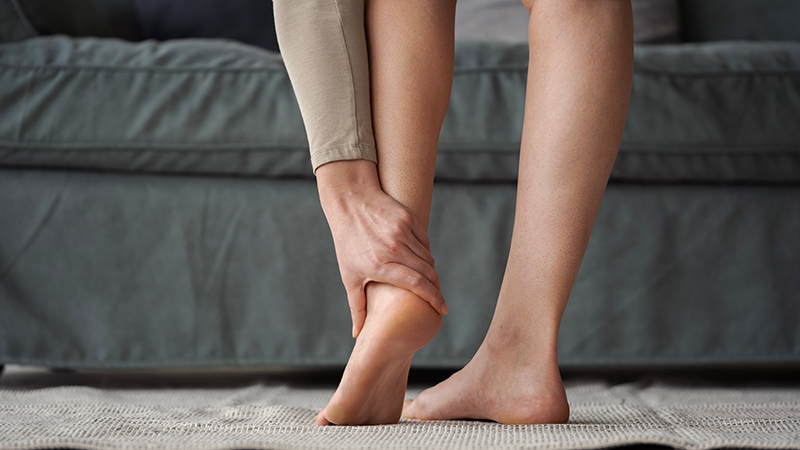
Not all heel pain is caused by the same problem. In some cases, an initial diagnosis may explain symptoms only partially, while another condition may continue contributing to discomfort.
Plantar Fasciitis
Plantar fasciitis is one of the most common causes of heel pain. It develops when the plantar fascia, which is the thick band of connective tissue supporting the arch of the foot, becomes irritated or inflamed.
Symptoms often include:
- Pain during the first few steps in the morning
- Discomfort after periods of rest
- Soreness following prolonged standing or walking
If contributing factors remain present, symptoms may continue returning after an initial period of relief.
Heel Bursitis
Heel bursitis occurs when the bursa, a fluid-filled sac near the back of the heel, becomes irritated and inflamed.
People may experience:
- Swelling around the back of the heel
- Tenderness during movement
- Discomfort while walking or wearing certain footwear
Repeated irritation may lead to ongoing symptoms if pressure on the area continues.
Achilles Tendinitis
The Achilles tendon connects the calf muscles to the heel bone. Excessive strain or repetitive loading can lead to inflammation and pain.
Symptoms may include:
- Discomfort at the back of the heel
- Stiffness after rest
- Pain that worsens with activity
Symptoms can return if activity levels increase too quickly or the tendon has not recovered fully.
Heel Spurs
Heel spurs are bony growths that develop along the heel bone. They can sometimes occur alongside conditions such as plantar fasciitis.
While not all heel spurs cause symptoms, some people may experience:
- Localised tenderness
- Discomfort during walking
- Pain with prolonged standing
Stress Fractures
Stress fractures are small cracks in the bone that develop from repeated impact or overuse, particularly during activities such as running or jumping.
They may cause:
- Pain that gradually worsens
- Tenderness over a specific area
- Discomfort during weight-bearing activities
Symptoms may settle temporarily with rest before returning once activity resumes.
Foot Arch Problems
The shape of the foot arch can influence how forces are distributed during movement. People with flat feet or high arches may place uneven pressure on the heel and surrounding structures.
Over time, this may contribute to:
- Repeated strain on soft tissues
- Recurring discomfort during activity
- Increased risk of heel-related problems
When Should Recurring Heel Pain Be Assessed?
Occasional discomfort after a busy day may not necessarily indicate a serious issue. However, further assessment may be useful if you experience:
- Heel pain that repeatedly returns after treatment
- Symptoms that become more severe over time
- Discomfort that interferes with walking, exercise or daily activities
- Neurological symptoms such as numbness, tingling or a burning sensation affecting the heel or radiating into the toes
- Visible signs of inflammation such as swelling, redness or localised warmth
- Pain that occurs at rest or wakes you during the night
- Ongoing symptoms despite following treatment advice
Identifying the cause early may help address contributing factors before symptoms become more difficult to manage.
Taking the Next Step Towards Heel Pain Recovery
Heel pain that returns after treatment can sometimes indicate that tissues need more time to heal or that underlying factors continue placing strain on the foot. Rather than focusing only on symptom relief, identifying the reason for recurring discomfort may help support more lasting improvement and reduce the likelihood of repeated flare-ups.
At SW Yung Orthopaedic Clinic in Singapore management approaches are guided by a detailed understanding of each patient's symptoms and treatment goals. Led by Dr Yung Shing Wai, the clinic supports patients experiencing a range of foot and ankle conditions. If recurring symptoms are affecting your daily activities, schedule a consultation to help identify contributing factors and guide decisions about further management.
Frequently Asked Questions About Recurring Heel Pain
Does recurring heel pain mean treatment did not work?
Not necessarily. A reduction in symptoms does not always mean complete healing has occurred. In some situations, symptoms may improve temporarily before returning if the underlying issue has not been fully addressed.
Can footwear contribute to recurring heel pain?
Footwear can influence how pressure is distributed across the foot. Shoes that provide insufficient support or cushioning may increase strain on the heel and surrounding structures, particularly during prolonged standing or exercise.
Can recurring heel pain resolve without surgery?
Many causes of heel pain improve with non-surgical treatment such as physiotherapy, activity modification and addressing contributing factors. The most appropriate approach depends on the underlying condition and individual circumstances.
Meet Our Orthopaedic Specialist in Singapore
Dr Yung Shing Wai
Consultant Orthopaedic Surgeon
Orthopaedic, Foot and Shoulder Surgery
MBBS, National University of Singapore (1985)
FRCSEd (General Surgery), Royal College of Surgeons of Edinburgh, United Kingdom (1990)
FAMS (Orthopaedic Surgery), Academy of Medicine, Singapore (1997)
Dr Yung Shing Wai is an orthopaedic specialist in Singapore with over 30 years of clinical experience and a particular focus on foot, ankle and shoulder conditions. He is recognised as Singapore's first fellowship-trained foot and ankle surgeon and was also among the first fellowship-trained orthopaedic surgeons in the country specialising in shoulder surgery.
After graduating from the National University of Singapore in 1985, Dr Yung obtained his Fellowship with the Royal College of Surgeons of Edinburgh before pursuing sub-specialty fellowship training in Foot and Ankle Surgery and Shoulder Surgery at the University of Washington in Seattle. His extensive training has supported decades of experience in managing a wide range of musculoskeletal conditions and complex orthopaedic concerns.