
Shoulder impingement can sometimes persist despite physiotherapy. Learn why symptoms may continue and what treatment options may help relieve pain and restore shoulder movement.
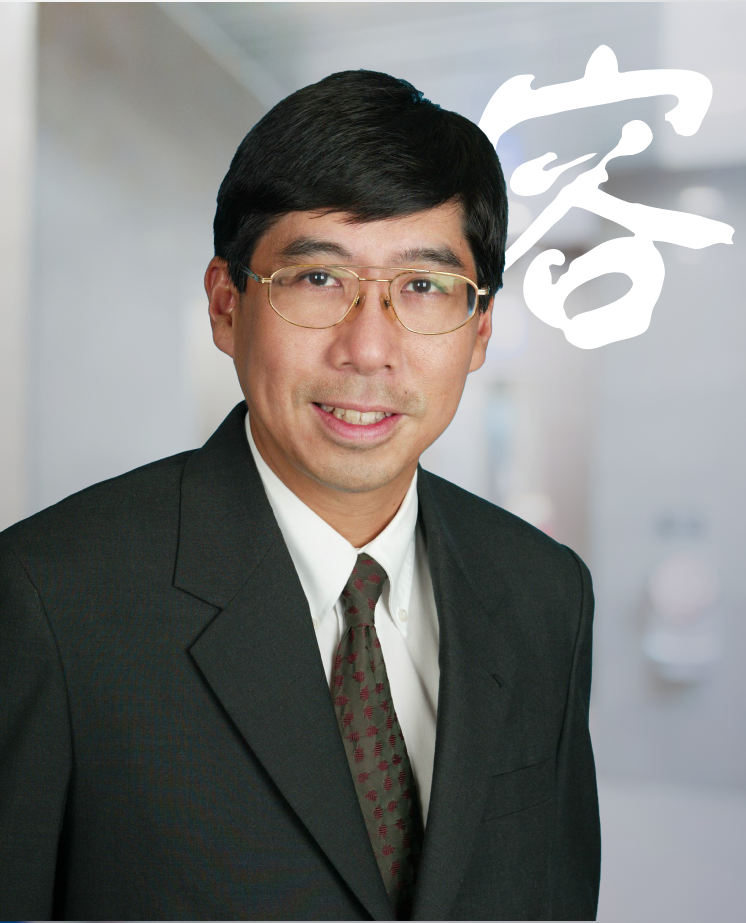
Dr Yung Shing Wai
Consultant Orthopaedic Surgeon
Orthopaedic, Foot and Shoulder Surgery
Reaching for a shelf, putting on a shirt or lifting your arm overhead should feel effortless, but for some people these movements can trigger sharp shoulder pain. One possible cause is shoulder impingement, a condition that occurs when structures in the shoulder become compressed during movement. Understanding what shoulder impingement is and how it develops can help you recognise symptoms early and seek appropriate care before the condition worsens.
What Is Shoulder Impingement?
Shoulder impingement occurs when the tendons of the rotator cuff or the bursa become compressed in the narrow space between the upper arm bone (humerus) and the acromion, a part of the shoulder blade. This compression can irritate the surrounding tissues, leading to pain and restricted shoulder movement.
The condition often develops when the space within the shoulder joint becomes narrowed or when the tendons are repeatedly stressed during movements such as lifting or reaching overhead. Over time, this repeated compression may cause inflammation and discomfort in the shoulder.
What Are the Common Symptoms of Shoulder Impingement?
Shoulder impingement symptoms often develop gradually and may become more noticeable during activities that involve lifting or rotating the arm. Common symptoms may include:
- Pain when lifting the arm, especially above shoulder level.
- Discomfort during everyday activities such as reaching for objects, dressing or lifting items.
- Weakness in the shoulder or arm, making certain movements more difficult.
- Reduced range of motion in the shoulder joint.
- Shoulder pain at night, particularly when lying on the affected side.
What Causes Shoulder Impingement?
Shoulder impingement can develop when the structures within the shoulder joint become irritated or compressed during movement. This may occur due to repetitive strain, structural changes in the shoulder or imbalances in the surrounding muscles that affect how the joint moves. Several factors may contribute to shoulder impingement, including:
Repetitive overhead activities
Activities that involve frequent lifting of the arms above shoulder level, such as certain sports or manual work, can place repeated stress on the shoulder joint structures.
Rotator cuff irritation or inflammation
Inflammation of the rotator cuff tendons may reduce the available space within the shoulder joint, increasing the likelihood of compression during arm movement.
Bone spurs
Small bony growths that develop along the acromion can narrow the space in the shoulder joint and increase pressure on the surrounding tendons.
Poor posture
Slouched or forward-rounded shoulders may alter shoulder alignment and contribute to increased friction within the joint.
Age-related wear and tear
As the shoulder joint ages, natural changes in the tendons and surrounding tissues may increase the risk of irritation or impingement.
Why Shoulder Impingement May Not Improve With Physiotherapy
Physiotherapy is commonly recommended for shoulder impingement because strengthening and mobility exercises can improve shoulder mechanics and reduce pressure on the rotator cuff tendons. However, some people may continue to experience symptoms despite completing a physiotherapy programme.
One possible reason is structural changes within the shoulder joint. Bone spurs or narrowing of the space beneath the acromion can continue to compress the tendons during movement, which exercises alone may not fully resolve. Underlying tendon damage may also contribute to persistent symptoms. Partial rotator cuff tears or tendon degeneration can cause ongoing pain and weakness that may require further medical evaluation.
In some cases, persistent inflammation such as subacromial bursitis can limit improvement. Swelling within the joint reduces the available space for the tendons to move smoothly, making recovery more difficult. Similarly, ongoing strain on the shoulder, such as repeated overhead activities or heavy lifting, may continue to irritate the tissues and slow the healing process.
What Are the Next Treatment Options?
If shoulder impingement does not improve with physiotherapy, further evaluation may be recommended to determine the cause of persistent symptoms. A doctor may suggest imaging tests such as X-rays, ultrasound or magnetic resonance imaging (MRI) to assess the structures within the shoulder joint. Depending on the findings, additional treatments may include:
Corticosteroid injections
These may help reduce inflammation within the shoulder joint and provide temporary relief from pain, particularly when swelling is contributing to the impingement.
Activity modification
Reducing or avoiding activities that place repeated strain on the shoulder, such as overhead movements or heavy lifting, may help prevent further irritation of the tendons.
Targeted rehabilitation
In some cases, adjustments to the physiotherapy programme may be recommended to better address muscle imbalances or shoulder mechanics.
Surgical treatment
If structural problems such as bone spurs or significant tendon damage are present, minimally invasive procedures such as arthroscopic surgery may be considered to create more space within the shoulder joint.
When Should You See a Doctor for Shoulder Impingement?
While many cases of shoulder impingement improve with conservative treatments such as rest and physiotherapy, persistent symptoms may require further medical evaluation. You may consider seeing a doctor if you experience:
- Shoulder pain that does not improve after several weeks of physiotherapy.
- Increasing pain or weakness in the shoulder.
- Difficulty lifting the arm or performing everyday activities.
- Persistent shoulder pain that interferes with sleep.
- A noticeable loss of shoulder strength or range of motion.

Effective Next Steps for Persistent Shoulder Impingement
Shoulder impingement can make everyday movements uncomfortable, particularly when symptoms persist despite physiotherapy. In such cases, further assessment may help identify underlying factors such as tendon damage, structural changes or ongoing inflammation. Early evaluation may help guide appropriate treatment and support the recovery of shoulder movement and function.
At SW Yung Orthopaedic, Foot & Shoulder Surgery, we understand that shoulder pain can sometimes persist even after physiotherapy. Dr Yung Shing Wai, a Consultant Orthopaedic Surgeon with more than three decades of clinical experience and fellowship training in shoulder surgery, provides detailed assessments to determine the cause of ongoing shoulder impingement symptoms. If you are struggling with shoulder pain even after physiotherapy, schedule an appointment with our specialist to clarify your diagnosis and discuss appropriate treatment options.
Get to Know Our Specialist
Dr Yung Shing Wai
Consultant Orthopaedic Surgeon
Orthopaedic, Foot and Shoulder Surgery
Dr Yung Shing Wai is a Consultant Orthopaedic Surgeon with more than 30 years of clinical experience, specialising in foot and ankle as well as shoulder conditions. He was the first fellowship-trained foot and ankle surgeon in Singapore and among the first orthopaedic surgeons in the country to receive fellowship training in shoulder surgery. Dr Yung completed advanced training at the University of Washington in Seattle and previously served at Singapore General Hospital, where he founded the Foot and Ankle Service in the Department of Orthopaedic Surgery. With decades of surgical experience, he is recognised for his contributions to advancing specialised orthopaedic care in Singapore.
Frequently Asked Questions (FAQs) About Shoulder Impingement
How long does shoulder impingement usually take to recover?
Recovery time can vary depending on the severity of the condition and the underlying cause. Mild cases may improve within a few weeks, while more persistent cases can take several months. Consistent rehabilitation, activity modification and appropriate medical care may help support recovery.
Can shoulder impingement come back after treatment?
Shoulder impingement can recur if the underlying factors that contributed to the condition are not addressed. Poor shoulder mechanics, muscle imbalance or repetitive overhead activities may increase the risk of symptoms returning. Maintaining shoulder strength, flexibility and proper posture may help reduce the likelihood of recurrence.
Is it safe to exercise with shoulder impingement?
Some exercises may still be appropriate, particularly those recommended by a healthcare professional or physiotherapist. However, activities that cause pain or involve repeated overhead movements may worsen irritation in the shoulder. Following a structured rehabilitation plan can help ensure exercises are performed safely.
Can shoulder impingement affect both shoulders?
Although shoulder impingement typically affects one shoulder, it can occur in both shoulders, particularly if similar movement patterns or postural habits affect both sides of the body. Individuals who perform repetitive overhead activities or certain sports may be more likely to experience symptoms in both shoulders.
Does age affect the risk of shoulder impingement?
Shoulder impingement can occur at any age, but it may become more common with increasing age due to natural wear and tear in the shoulder tendons and surrounding structures.