
Dr Yung Shing Wai
Consultant Orthopaedic Surgeon
Orthopaedic, Foot and Shoulder Surgery
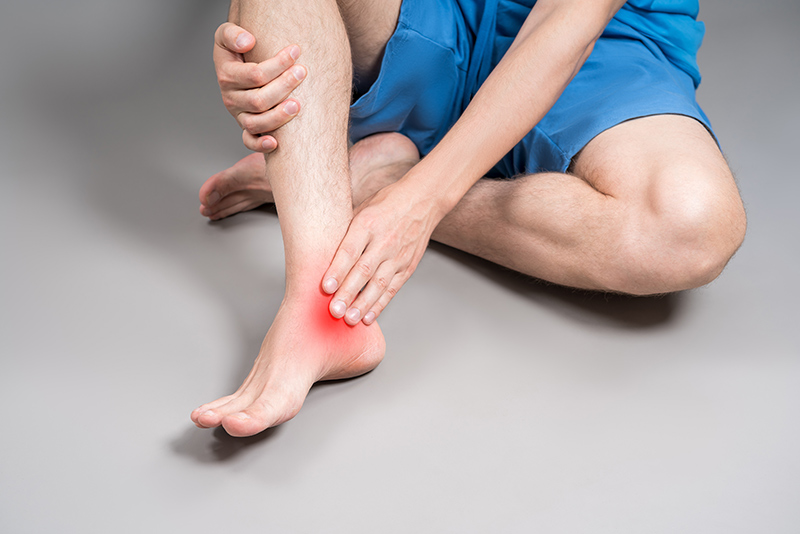
Recurring Achilles tendon pain that improves with rest but returns during activity may indicate an underlying tendon issue. Learn about possible causes and when to seek orthopaedic evaluation for persistent Achilles discomfort.
What Causes Recurring Achilles Tendon Pain?
Achilles tendon pain that improves with rest but returns after activity may indicate that the tendon has not fully recovered. The Achilles tendon, which connects the calf muscles to the heel bone, experiences significant stress during activities such as walking, running and jumping. When the tendon is repeatedly strained without sufficient healing time, discomfort may return once normal activity resumes. Several factors may contribute to recurring Achilles tendon pain:
Overuse of the tendon
Repetitive activities such as running, jumping or prolonged walking can place continuous strain on the Achilles tendon, leading to irritation or inflammation.
Incomplete healing after an injury
Rest may temporarily reduce symptoms, but if the underlying tendon fibres have not fully healed, pain may return when the tendon is stressed again.
Achilles tendinopathy
In some cases, the tendon undergoes degenerative changes rather than acute inflammation. This condition can cause persistent or recurring discomfort, especially during physical activity.
Sudden increases in activity level
Rapidly increasing exercise intensity, duration or frequency can overload the tendon before it has adapted to the new level of strain.
Tight calf muscles
Limited flexibility in the calf muscles may increase tension on the Achilles tendon, placing extra stress on the area during movement.
Common Conditions Linked to Recurring Achilles Tendon Pain
When Achilles tendon pain repeatedly returns after rest, it may be related to an underlying condition affecting the tendon or surrounding structures. Identifying the possible cause is important, as different conditions may require different approaches to treatment and recovery. Some common conditions associated with recurring Achilles tendon pain include:
Achilles tendinitis
This condition involves inflammation of the Achilles tendon, often caused by overuse or sudden increases in physical activity. Pain and stiffness are commonly felt along the tendon, especially during or after exercise.
Achilles tendinopathy
Unlike acute inflammation, tendinopathy involves gradual degeneration of the tendon fibres due to repeated strain over time. This can lead to persistent discomfort, tendon thickening and reduced tendon strength.
Partial Achilles tendon tear
Small tears in the tendon fibres may develop after repeated stress or injury. While these tears may not cause severe symptoms initially, they can lead to recurring pain when the tendon is used during activity.
Retrocalcaneal bursitis
This condition occurs when the bursa, a fluid-filled sac that helps reduce friction between the tendon and heel bone, becomes inflamed. It can cause swelling and pain at the back of the heel.
Heel bone irritation or bone spurs
In some cases, structural changes near the heel bone can irritate the Achilles tendon and contribute to recurring discomfort.
What Can Help Improve Achilles Tendon Recovery?
Recovering from recurring Achilles tendon pain often requires more than simply resting the affected area. Supporting the tendon's healing process through appropriate care and gradual rehabilitation can help reduce strain and improve long-term recovery. Several measures may help promote healing and lower the risk of recurring discomfort.
Gradual return to activity
After a period of rest, it is important to resume physical activities slowly. Gradually increasing the intensity and duration of exercise allows the tendon to adapt and reduces the likelihood of re-injury.
Physiotherapy and strengthening exercises
Targeted physiotherapy exercises can help strengthen the calf muscles and improve the flexibility of the Achilles tendon. This may help restore normal function and reduce stress on the tendon during movement.
Calf stretching routines
Tight calf muscles can place extra strain on the Achilles tendon. Regular stretching may help improve flexibility and reduce tension on the tendon.
Supportive footwear or orthotics
Wearing properly fitted shoes that provide adequate support and cushioning may help reduce pressure on the Achilles tendon during daily activities or sports.
Managing activity levels
Avoiding sudden increases in training intensity, frequency or duration can help prevent overloading the tendon and allow sufficient time for recovery.
When to See a Specialist for Recurring Achilles Tendon Pain
While mild Achilles tendon discomfort may improve with rest and activity modification, recurring pain may indicate an underlying issue that requires medical evaluation. An orthopaedic specialist can assess the condition of the tendon, identify possible causes of persistent symptoms and recommend appropriate treatment options.
Medical evaluation may be helpful if Achilles tendon pain continues to return whenever you resume walking, running or exercise. Persistent pain lasting several weeks despite rest or home care measures may also suggest that the tendon has not fully recovered.
You may also wish to seek medical advice if you notice swelling, stiffness or tenderness along the back of the ankle or heel, or if the discomfort begins to interfere with daily activities such as walking or climbing stairs. Sudden sharp pain or a popping sensation in the tendon should also be assessed promptly, as this may indicate a more serious tendon injury.
Managing Recurring Achilles Tendon Pain with Specialist Care
Recurring Achilles tendon pain can be frustrating, especially when symptoms return after periods of rest. Understanding the possible causes and taking appropriate steps to support recovery may help reduce strain on the tendon and lower the risk of further discomfort.
At SW Yung Orthopaedic, Foot & Shoulder Surgery, our focus is on delivering comprehensive care for foot and ankle conditions, including persistent Achilles tendon pain. Dr Yung Shing Wai, a Consultant Orthopaedic Surgeon with more than three decades of clinical experience and fellowship training in foot and ankle surgery, provides detailed evaluations and personalised treatment plans to help patients regain comfort and mobility. Schedule a consultation with our specialist for a professional assessment if you are struggling with recurring Achilles tendon pain.
Get to Know Our Specialist
Dr Yung Shing Wai
Consultant Orthopaedic Surgeon
Orthopaedic, Foot and Shoulder Surgery
Dr Yung Shing Wai is a Consultant Orthopaedic Surgeon with more than 30 years of clinical experience, specialising in foot and ankle as well as shoulder conditions. He was the first fellowship-trained foot and ankle surgeon in Singapore and among the first orthopaedic surgeons in the country to receive fellowship training in shoulder surgery. Dr Yung completed advanced training at the University of Washington in Seattle and previously served at Singapore General Hospital, where he founded the Foot and Ankle Service in the Department of Orthopaedic Surgery. With decades of surgical experience, he is recognised for his contributions to advancing specialised orthopaedic care in Singapore.
FAQs About Recurring Achilles Tendon Pain
Can Achilles tendon pain occur without running or sports?
Yes, Achilles tendon pain can develop even in people who do not participate in sports. Long periods of standing, walking on hard surfaces, poorly fitted footwear or sudden increases in daily activity can also place strain on the tendon.
Is it safe to continue exercising with Achilles tendon pain?
Continuing high-impact exercise while experiencing Achilles tendon pain may worsen the strain on the tendon. Low-impact activities such as cycling or swimming may be more suitable while the tendon is recovering.
Can Achilles tendon pain spread to other areas of the foot or leg?
Pain from the Achilles tendon is usually felt at the back of the ankle or heel, but it may sometimes be accompanied by discomfort in the calf or heel area. This can occur when surrounding muscles or structures compensate for the irritated tendon.
Can standing for long periods aggravate Achilles tendon pain?
Prolonged standing may increase pressure on the Achilles tendon, particularly on hard surfaces. Over time, this constant load can contribute to discomfort or stiffness at the back of the ankle.