
Dr Yung Shing Wai
Consultant Orthopaedic Surgeon
Orthopaedic, Foot and Shoulder Surgery
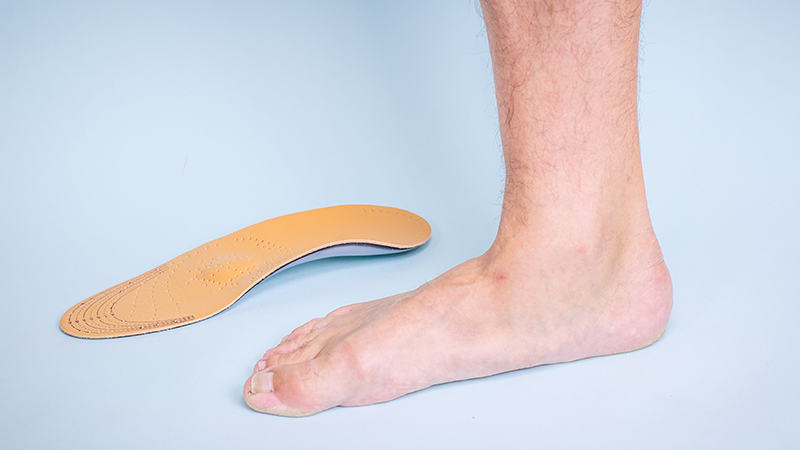
Flat feet are often seen as just a variation in foot shape, something you either have or do not have. For many people, this is true and they go about their daily lives without pain or limitation. However, for others, what seems like a minor difference can gradually lead to discomfort, fatigue, or pain that eventually affects how they move.
The challenge is that symptoms do not always appear suddenly. It might start as an ache after a long day, discomfort during exercise, or even pain that extends to the knees or back. These subtle changes are easy to dismiss, yet they can signal that the feet are no longer coping as well as they should.
Understanding what flat feet are and why they affect people differently is the first step in recognising when they may become a problem.
What Are Flat Feet?
Flat feet refer to a condition where the arches of the feet are lower than usual or absent, causing more of the sole to come into contact with the ground. This may be present from childhood or develop later in life and it varies widely from person to person.
There are two main types of flat feet.
- Flexible flat feet are the most common. The arch is visible when the foot is not bearing weight, such as when sitting or standing on tiptoe, but flattens when standing normally. This type is often painless and does not interfere with daily activities.
- Rigid flat feet, on the other hand, have little to no arch even when the foot is not bearing weight. This form is less common and more likely to be associated with stiffness, limited mobility or discomfort.
When Flat Feet Are Harmless
Not all flat feet lead to symptoms. Many people have low or absent arches and experience no pain or limitations in their daily activities. In these cases, the feet function well despite their shape, and no treatment is needed.
Flat feet are generally considered harmless when there is:
- No pain during walking, standing, or exercise
- No impact on mobility or daily function
- No noticeable progression or change in foot shape over time
For these individuals, flat feet are simply a normal variation rather than a medical concern.
When Flat Feet Become Problematic
Flat feet can become problematic when the structures in the foot are placed under increased strain. Over time, this may lead to discomfort and affect how the body moves as a whole.
Common signs that flat feet are no longer coping well include:
- Pain in the arch, heel, or ankle, especially after activity
- Swelling along the inner side of the ankle
- A feeling of tired or heavy feet after standing or walking
- Pain that extends to the knees, hips, or lower back
- Uneven wear on shoes, which may suggest altered walking patterns
When these symptoms appear, flat feet are no longer just a structural variation. They may begin to affect alignment and movement, which can lead to further strain if left unaddressed.
What You Can Do: Treatment and Management Options
When flat feet begin to cause persistent discomfort or affect daily activities, early intervention can help prevent symptoms from worsening. The most appropriate approach depends on symptom severity and how much they impact movement.
Simple measures can often provide relief. Supportive footwear with adequate arch support and cushioning helps reduce strain, while avoiding unsupportive shoes, especially for prolonged periods, is recommended.
Targeted stretching and strengthening exercises may also improve foot function. Focusing on the calf muscles, Achilles tendon, and intrinsic foot muscles can enhance support and stability over time.
If symptoms persist, non-surgical treatments are usually considered. These may include:
- Orthotic insoles, either off-the-shelf or custom-made
- Physiotherapy to address muscle imbalances and movement patterns
- Pain management strategies such as rest or activity modification
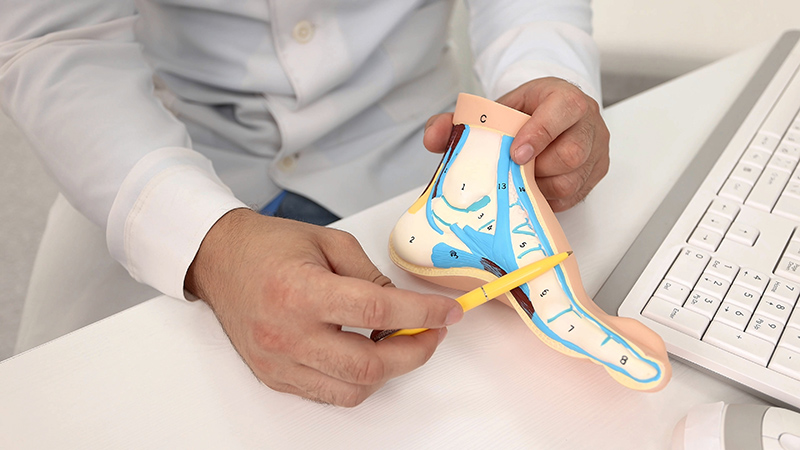
For more severe or persistent symptoms, a specialist assessment may be advised to guide further management. Surgical treatment is rarely required but may be considered in selected cases.
Addressing Flat Feet Early with the Right Steps
Flat feet are not always a cause for concern, but persistent pain or changes in how your feet feel should not be ignored. Early attention and the right support can go a long way in preventing more serious issues.
SW Yung Orthopaedic, Foot & Shoulder Surgery is an orthopaedic clinic in Singapore that provides flatfoot treatment with a patient-centred and holistic approach to diagnosis and management. Dr Yung Shing Wai, an orthopaedic specialist with over 30 years of experience and fellowship training in foot and ankle surgery, provides thorough assessments and clearly explains all available treatment options so patients can make informed decisions about their care. If you are experiencing persistent foot pain or would like a second opinion, consider scheduling a consultation to explore suitable management options tailored to your needs.
FAQs About Flat Feet
Can flat feet develop later in life?
Yes, flat feet can develop in adulthood. This is often due to wear and tear of the supporting tendons, particularly the posterior tibial tendon, as well as factors such as injury, ageing, obesity, or underlying medical conditions.
Can children outgrow flat feet?
Yes, flexible flat feet are common in children and often improve as the arches develop with age. Most children do not require treatment unless they experience pain or functional difficulties.
How do I know if my flat feet are flexible or rigid?
A simple way is to observe your arch when sitting versus standing. If an arch appears when the foot is not bearing weight but flattens when standing, it is likely flexible. If the arch is absent in both positions, it may be rigid and worth further evaluation.
Is it okay to walk barefoot if I have flat feet?
It depends on the individual. Some people tolerate barefoot walking well, while others may experience increased strain without support. If discomfort occurs, supportive footwear is usually a better option.
Do flat feet always require long-term management?
Not always. Some people only need short-term support during flare-ups, while others may benefit from ongoing measures such as proper footwear or insoles, depending on their symptoms and lifestyle.
Get to Know Our Specialist
Dr Yung Shing Wai
Consultant Orthopaedic Surgeon
Orthopaedic, Foot and Shoulder Surgery
Dr Yung Shing Wai is a Consultant Orthopaedic Surgeon with more than 30 years of clinical experience, specialising in foot and ankle as well as shoulder conditions. He was the first fellowship-trained foot and ankle surgeon in Singapore and among the first orthopaedic surgeons in the country to receive fellowship training in shoulder surgery. Dr Yung completed advanced training at the University of Washington in Seattle and previously served at Singapore General Hospital, where he founded the Foot and Ankle Service in the Department of Orthopaedic Surgery. With decades of surgical experience, he is recognised for his contributions to advancing specialised orthopaedic care in Singapore.