

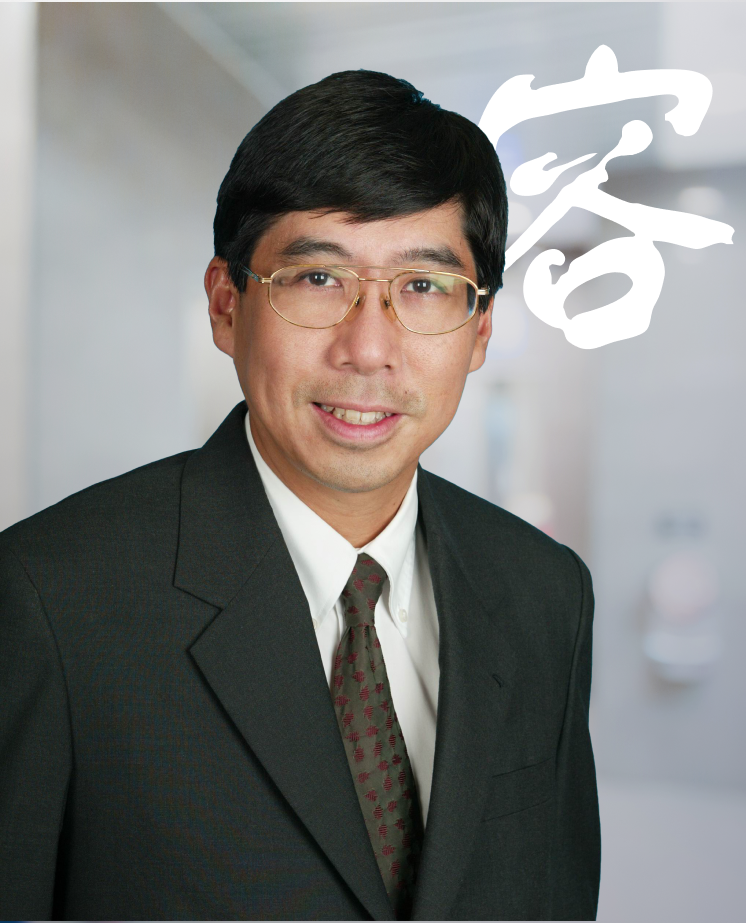
Dr Yung Shing Wai
Consultant Orthopaedic Surgeon
Orthopaedic, Foot and Shoulder Surgery
MBBS, National University of Singapore (1985)
FRCSEd (General Surgery), Royal College of Surgeons of Edinburgh, United Kingdom (1990)
FAMS (Orthopaedic Surgery), Academy of Medicine, Singapore (1997)
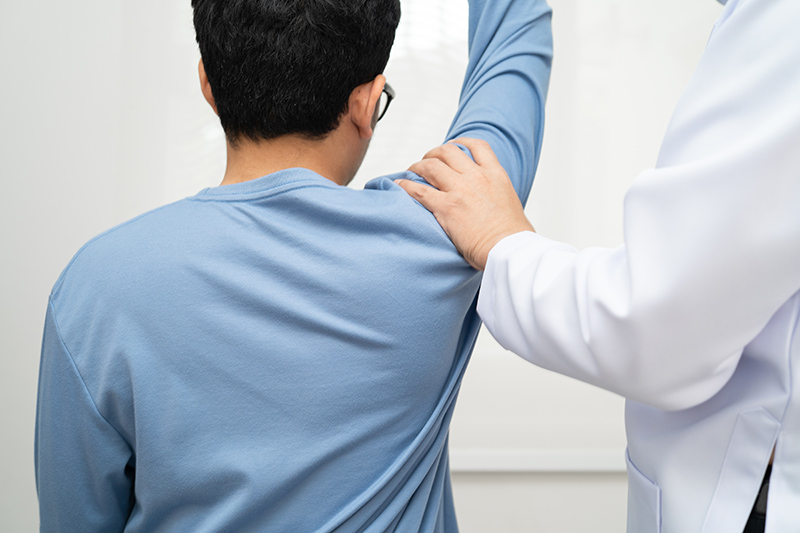
A persistent ache, a clicking sensation when you move or discomfort during exercise can be easy to brush off, especially when you are juggling work, family and everyday life in Singapore. But when these symptoms continue or start affecting how you move, they may be linked to an underlying joint problem such as a labral tear.
A labral tear can affect joint movement and may cause pain, clicking, instability or reduced function. However, not every tear requires surgery. The most suitable approach can depend on factors such as where the tear is located, its extent, your symptoms, activity levels and how the condition affects your daily life.
If you are exploring treatment options for labral tears in Singapore, understanding how specialists make these decisions can help you have a more informed discussion about your care.
How Do Specialists Decide Between Rehabilitation and Surgery?
There is rarely a single factor that determines the most suitable approach to treating labral tears in Singapore. Instead, specialists may consider the overall clinical picture.
Severity and Type of Tear
The location, size and pattern of a tear can influence which treatments may be considered. Associated injuries affecting cartilage, tendons, ligaments or bone may also be relevant.
Symptoms and Functional Limitations
A specialist may consider whether pain, clicking, catching or instability is interfering with everyday activities, exercise or sport. The presence of a tear on imaging alone does not necessarily establish how much it is contributing to a patient's symptoms.
Age and Activity Level
The demands placed on the affected joint can also influence treatment considerations. These may differ between a recreationally active adult, a competitive athlete and someone whose everyday activities place relatively little demand on the joint.
Response to Non-Surgical Treatment
If rehabilitation or other non-surgical measures have already been tried, the specialist may consider how symptoms and function have responded. Improvement may support continued non-surgical management, while persistent symptoms can prompt a discussion about whether other treatment options should be considered.
Expectations and Recovery
Your expectations, priorities and willingness to undergo rehabilitation after treatment can also form part of the discussion. Surgery may involve a period of restricted activity and rehabilitation, so understanding the potential recovery process is important before making a decision.
When Might a Labral Tear Be Treated With Rehabilitation?
Rehabilitation may form part of labral tear treatment when symptoms and functional limitations can potentially be managed without an operation.
For some patients, a specialist may recommend non-surgical treatment as the initial approach. This can provide an opportunity to improve strength and joint control while assessing how symptoms respond over time.
Rehabilitation may be considered when:
- Symptoms are manageable and do not significantly restrict everyday function
- The affected joint remains sufficiently stable
- There are no associated injuries that make surgery a more immediate consideration
- The patient's activity goals can potentially be met without an operation
- Symptoms are improving with physiotherapy and activity modification
A physiotherapy programme may focus on improving strength, joint control, flexibility and movement patterns. The exact exercises depend on the joint involved, the nature of the injury and the patient's functional needs.
Non-surgical treatment may include:
- Physiotherapy and targeted strengthening
- Activity modification
- Pain management where appropriate
- Exercises to improve mobility and joint stability
- Gradual return to activities under professional guidance
Response to rehabilitation can also provide useful information. If symptoms improve and function returns, surgery may not be necessary. If significant symptoms continue despite an appropriate course of rehabilitation, the treatment approach can be reassessed.
When Might Surgery Be Considered for a Labral Tear?
Surgery may enter the discussion when a labral tear continues to cause significant symptoms or functional limitations despite an appropriate course of non-surgical treatment. In some cases, the characteristics of the injury or associated joint problems may also make surgery worth considering earlier.
Factors that may prompt a discussion about surgery include:
- Persistent pain or functional limitations despite rehabilitation
- Ongoing joint instability
- Mechanical symptoms, such as catching or locking, that continue to interfere with movement
- Associated injuries or joint damage that may require surgical treatment
- Activity or sporting demands that remain difficult to meet despite non-surgical care
The type of procedure depends on the location and characteristics of the tear. Arthroscopic techniques may be used for certain shoulder or hip labral injuries, with the specific procedure determined by what is found and what needs to be addressed.
Surgery is not automatically the preferred option simply because a labral tear appears on imaging. The potential benefits, risks, recovery requirements and alternatives should be considered alongside the patient's symptoms, examination findings and treatment goals.

Get Specialist Guidance for Labral Tears at SW Yung Orthopaedic Clinic
Persistent pain, clicking or instability can make it difficult to know whether rehabilitation is enough or whether further treatment should be considered. A specialist assessment can help establish how the labral tear relates to your symptoms and what treatment options may be appropriate.
At SW Yung Orthopaedic Clinic, patients can seek assessment for shoulder pain, instability and other concerns that may be affecting movement or everyday activities. Care is centred on understanding each individual’s condition before discussing the available options. With over 30 years of orthopaedic experience and fellowship training in shoulder surgery, Dr Yung Shing Wai provides guidance based on each patient’s needs. Arrange a consultation to discuss your shoulder concerns and work towards improved comfort and function.
FAQs About Labral Tear Treatment Options
Can a labral tear heal without surgery?
Some labral tears may be managed without surgery, depending on their location, severity, symptoms and the underlying cause. Rehabilitation, activity modification and other non-surgical measures may be considered. A specialist can assess whether conservative treatment may be suitable.
How do doctors decide if labral tears surgery is needed?
Doctors may consider symptoms, physical examination findings, imaging results, functional limitations and response to non-surgical treatment. The type of tear and any associated joint problems may also influence the discussion. Surgery is generally considered alongside its potential risks and recovery requirements.
How long should I try rehabilitation before considering surgery?
There is no single rehabilitation period that applies to everyone with a labral tear. The appropriate timeframe may depend on the joint involved, the nature of the injury, symptom progression and response to treatment. Your specialist and physiotherapist can help determine a suitable approach.
How long does it take to recover from a labral tear?
Recovery time varies depending on the location and severity of the tear, the treatment provided and your activity goals. Non-surgical treatment may involve a period of rehabilitation, while recovery after surgery can take several months and usually includes physiotherapy. Your specialist can provide a more specific timeline based on your condition.
Is surgery always better than rehabilitation for a labral tear?
Neither approach is automatically better for every patient. Rehabilitation may be appropriate in some situations, while surgery could be discussed in others. The decision depends on the individual injury, symptoms, functional requirements, examination and response to non-surgical care.
Meet Our Doctor
Dr Yung Shing Wai
Consultant Orthopaedic Surgeon
Orthopaedic, Foot and Shoulder Surgery
MBBS, National University of Singapore (1985)
FRCSEd (General Surgery), Royal College of Surgeons of Edinburgh, United Kingdom (1990)
FAMS (Orthopaedic Surgery), Academy of Medicine, Singapore (1997)
Dr Yung Shing Wai is an orthopaedic specialist in Singapore with over 30 years of clinical experience and a particular focus on foot, ankle and shoulder conditions. He is recognised as Singapore's first fellowship-trained foot and ankle surgeon and was also among the first fellowship-trained orthopaedic surgeons in the country specialising in shoulder surgery.
After graduating from the National University of Singapore in 1985, Dr Yung obtained his Fellowship with the Royal College of Surgeons of Edinburgh before pursuing sub-specialty fellowship training in Foot and Ankle Surgery and Shoulder Surgery at the University of Washington in Seattle. His extensive training has supported decades of experience in managing a wide range of musculoskeletal conditions and complex orthopaedic concerns.


