Bunion Surgery
In Singapore

MBBS (S'pore), FRCEd (General Surgery),
FAMS (Orthopaedic Surgery)
With over 30 years of experience in foot and ankle surgery, Dr Yung Shing Wai has a longstanding interest in bunion correction. He offers both traditional and minimally invasive bunion surgery, tailoring treatment according to the severity of the deformity, symptoms and lifestyle goals of each patient.
Are you experiencing pain, difficulty finding comfortable footwear or a prominent bump at the base of your big toe? Bunions are a common foot condition that may gradually worsen over time, affecting comfort, mobility and daily activities.
At SW Yung Orthopaedic Clinic, Dr Yung provides comprehensive bunion treatment in Singapore, ranging from conservative management to advanced surgical correction, including minimally invasive techniques designed to reduce tissue disruption and support recovery.

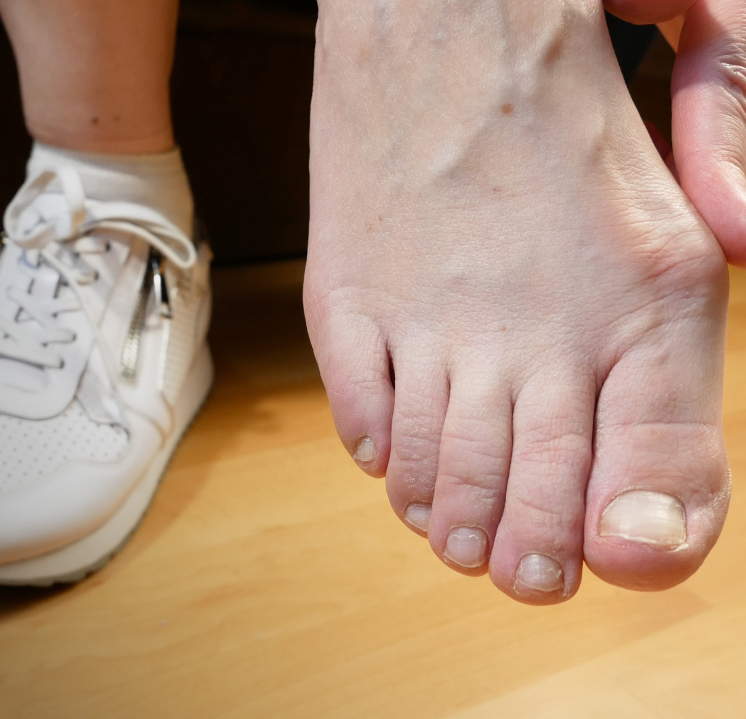
What Are Bunions?
A bunion, medically known as hallux valgus, is a progressive foot deformity affecting the joint at the base of the big toe. As the condition develops, the big toe gradually shifts towards the smaller toes while the first metatarsal bone moves in the opposite direction. This creates the characteristic bony prominence on the inner side of the foot.
Although some bunions remain painless, others can lead to discomfort, swelling, difficulty wearing shoes and limitations in daily activities. Without appropriate management, the deformity may become more pronounced over time.
What Are the Types of Bunions?
Different forms of bunions can develop depending on age, anatomy and the affected area of the foot.
Congenital Hallux Valgus
This form of bunion is present from birth due to underlying structural abnormalities in the foot. Symptoms may become more noticeable as the child grows.
Bunionette (Tailor's Bunion)
A bunionette develops on the outside of the foot at the base of the little toe. It can cause pain, redness and irritation, especially when wearing narrow footwear.
Juvenile or Adolescent Hallux Valgus
This type develops during childhood or adolescence and is often linked to inherited foot structure. It may progress throughout the teenage years, particularly in individuals with flexible flat feet.
What Are the Causes and Risk Factors of Bunions?
While the exact cause of bunions is not fully understood, several factors are believed to contribute to their development and progression. These factors include both inherited traits and lifestyle choices:
Abnormal Foot Structure
People born with certain structural foot characteristics, such as flexible flat feet, ligament laxity, an unstable arch or abnormal alignment of the first metatarsal bone, may be more likely to develop bunions over time.
Genetics and Family History
Bunions often run in families. If your parents or grandparents had bunions, you may be genetically predisposed to developing them as well.
Chronic Medical Conditions
Individuals with rheumatic arthritis or other inflammatory joint conditions (osteoarthritis, and polio) are at higher risk, as chronic inflammation can weaken the joints and soft tissues around the big toe.
Overpronation and Flat Feet
People with overpronation and flat feet may place uneven pressure on the big toe joint, increasing the likelihood of bunion formation.
Improper Footwear
Wearing shoes that are too tight, narrow, or have high heels forces the toes into an unnatural position, placing stress on the big toe joint. Over time, this can accelerate the development of bunions.
Age
Bunions become more common with age as changes in joint alignment and soft tissue support gradually occur over time. However, they can also affect adolescents and younger adults.
Gender
Bunions are more commonly seen in women. This may be related to a combination of inherited foot structure, ligament laxity and footwear choices.
Other Contributing Factors
Previous foot injuries, certain neuromuscular conditions and occupations or activities that involve prolonged standing, walking or repetitive forefoot loading may increase the risk of bunion development. Examples include nursing, teaching, retail work and ballet dancing.
What Are the Signs & Symptoms of Bunions?
Bunions can develop gradually and their symptoms often worsen over time if left untreated. Some people may experience only mild discomfort at first, while others may notice more noticeable changes in the shape and function of their feet. Common signs and symptoms include:
A Visible Bump at the Base of the Big Toe
The most obvious sign of a bunion is the bony lump on the side of the foot, near the joint of the big toe. This bump may become more prominent as the condition progresses.
Pain, Swelling and Tenderness
The area around the bunion often becomes painful and inflamed, especially after long periods of standing or walking. Redness and warmth may also be present due to irritation of the joint.
Stiffness and Reduced Movement
The big toe joint can feel stiff or difficult to move, particularly when trying to bend the toe upward. This stiffness may worsen over time, making it harder to walk comfortably.
Misalignment of Big Toe
As the bunion develops, the big toe may gradually angle toward the second toe. In more advanced cases, it can overlap or push against the second toe, leading to crowding and further discomfort.
Corns and Calluses
Misalignment of the toes often causes friction between them or against footwear. This repeated rubbing can lead to corns or calluses, which may be painful and make walking difficult.
Shoe-fitting Difficulties
Many people with bunions find it hard to wear regular shoes, especially narrow or pointed ones, because of the protrusion and tenderness at the joint.
Changes in Walking Pattern (Gait)
In severe cases, bunions can alter the way a person walks, as they may unconsciously shift their weight to avoid pressure on the painful joint.
It's important to note that not everyone with a bunion experiences pain. Some people may only notice the change in appearance, while others have significant discomfort that affects daily activities.
Consult Dr Yung Shing Wai, an experienced foot and ankle surgeon in Singapore, for a comprehensive assessment and personalised treatment plan.
Call 6235 5225 to schedule a consultation today.
How Are Bunions Diagnosed?
Bunions can often be diagnosed through a clinical assessment. During your consultation, the doctor will evaluate the appearance of your foot, assess the severity of the deformity and determine how the condition is affecting your daily activities. This may include:
Foot Examination:
The doctor will examine your foot for the characteristic bony prominence at the base of the big toe, as well as any signs of swelling, redness or skin irritation.Evaluation of Tenderness and Symptoms:
Gentle palpation of the bunion and surrounding structures helps identify areas of tenderness, inflammation and pressure-related pain.Assessment of Joint Movement:
The doctor may assess the range of motion of the big toe joint to identify stiffness, restricted movement or discomfort during motion.Assessment of Toe Alignment:
The position of the big toe and surrounding toes will be evaluated to determine the extent of the deformity and whether neighbouring toes have been affected.Imaging Tests:
Weight-bearing X-rays may be recommended to confirm the diagnosis, assess the severity of the bunion and evaluate the alignment of the bones and joints. Imaging can also help guide treatment planning, particularly if surgery is being considered.
What Happens if Bunions are Left Untreated?
Not every bunion worsens at the same rate. However, untreated bunions may progressively lead to increasing symptoms and functional limitations.
Progressive Joint Deformity
The alignment of the big toe may continue to worsen over time, causing the deformity to become more noticeable.
Development of Other Foot Problems
Bunions can contribute to the development of other foot conditions, such as hammertoes, bursitis and metatarsalgia.
Increasing Pain and Discomfort
Pressure on the affected joint may lead to worsening pain during walking, exercise or prolonged standing.
Additional Strain on Other Joints
Changes in gait may place extra stress on the ankles, knees, hips or lower back in some individuals.
Reduced Mobility
As the condition progresses, movement within the big toe joint may become increasingly restricted.
How are Bunions Treated?
Following a detailed assessment, treatment will be tailored to the severity of the deformity, symptoms and your lifestyle needs.
Non-Surgical Options
While non-surgical treatment cannot reverse or remove a bunion, it may help relieve symptoms, improve comfort and slow progression in some patients.
Orthotics
Custom or prefabricated orthotic devices can improve foot support and redistribute pressure during walking.Padding and Taping
Protective padding and taping techniques may reduce friction and improve toe positioning.Medication
Anti-inflammatory medication may help reduce pain and swelling during symptomatic flare-ups.Ice and Elevation
Applying ice and elevating the foot may help manage swelling after prolonged activity.Footwear Modifications
Shoes with a wider toe box can reduce pressure on the bunion and improve comfort.Physiotherapy
Specific exercises may improve joint mobility, strengthen supporting muscles and optimise walking mechanics.
Surgical Options
Surgery may be considered when symptoms persist despite conservative treatment or when the deformity significantly affects daily activities.
Osteotomy
This procedure involves cutting and realigning the bone at the base of the big toe joint. The surgeon may remove a portion of the bunion or realign the bones to correct the deformity.Soft Tissue Repair
Soft tissue repair may be performed alongside bony correction to restore balance around the big toe joint. This can involve adjusting or tightening ligaments and other soft tissues to improve alignment and stability.Exostectomy
This procedure involves removing the bony bump from the joint of the big toe. It may be combined with soft tissue correction to alleviate pressure and improve toe alignment.Arthrodesis
In cases of severe arthritis or joint damage associated with bunions, the surgeon may recommend arthrodesis (joint fusion). This involves removing damaged joint surfaces and then fusing the bones together to create a stable joint.
Consult Dr Yung Shing Wai to discuss your condition and explore suitable treatment options tailored to your needs.
Call 6235 5225 to arrange an appointment.
What Is Minimally Invasive Bunion Surgery in Singapore?
Minimally invasive bunion surgery (MIS) uses specialised instruments and smaller incisions to correct bunion deformities while minimising soft tissue disruption. For suitable patients, MIS can provide excellent correction with reduced postoperative discomfort and faster early recovery compared to traditional open techniques.
How Does Minimally Invasive Bunion Surgery Work?
+What Are the Benefits of Minimally Invasive Bunion Surgery?
+Who Is a Suitable Candidate?
+How Is Recovery After Minimally Invasive Bunion Surgery?
+Not every bunion is suitable for minimally invasive correction. A thorough assessment is needed to determine the most appropriate treatment approach based on the severity of the deformity, your symptoms and lifestyle needs.
Schedule a consultation with us at 6235 5225 today.
Recovery and Rehabilitation After Bunion Surgery
Recovery is an important part of achieving a successful outcome after bunion surgery. While the procedure corrects the underlying deformity, proper rehabilitation helps restore mobility, strength and function while supporting the healing process.
What to Expect During Recovery
Immediately After Surgery
- Keep the foot elevated as much as possible to help reduce swelling.
- Wear the prescribed postoperative shoe or boot to protect the surgical site.
- Follow your surgeon's instructions regarding weight-bearing and walking.
- Take prescribed medication as directed to manage discomfort.
First Few Weeks
- Attend follow-up appointments to monitor wound healing and recovery progress.
- Gradually increase walking and daily activities as advised by your surgeon.
- Continue managing swelling with rest, elevation and ice therapy when appropriate.
- Avoid high-impact activities and prolonged standing.
Rehabilitation and Physiotherapy
- Perform recommended exercises to maintain flexibility and improve range of motion in the big toe joint.
- Strengthening exercises may be introduced progressively to restore foot stability and function.
- Physiotherapy can help improve walking mechanics, balance and overall mobility during recovery.
Returning to Normal Activities
- Many patients can resume light daily activities within a few weeks, depending on the procedure performed.
- Wider and more supportive footwear may be recommended during the transition back to regular shoes.
- Higher-impact activities such as running and sports are usually resumed only after adequate healing has occurred.
How to Prevent Bunions?
While bunions cannot always be prevented, especially when hereditary factors are involved, certain measures may help reduce stress on the big toe joint and slow progression.
Choose Supportive Footwear
Select shoes with adequate width in the toe box and sufficient arch support.Stay Active with Low-Impact Exercise
Activities such as swimming, cycling and yoga can help maintain fitness while reducing stress on the forefoot.Maintain a Healthy Weight
Reducing excess body weight helps minimise pressure on the feet during daily activities.Perform Foot Exercises
Stretching and strengthening exercises may help maintain flexibility and support healthy foot mechanics.
Restore Comfort and Confidence in Every Step
Bunions can affect far more than the appearance of your feet. As the deformity progresses, it may lead to pain, footwear limitations and difficulty participating in everyday activities. Fortunately, a range of effective treatments are available, from conservative symptom management to advanced surgical correction.
At SW Yung Orthopaedic Clinic in Singapore, Dr Yung Shing Wai provides comprehensive assessment and personalised treatment plans for patients with bunions and other foot conditions. With extensive experience in both open and minimally invasive bunion surgery, he focuses on helping patients regain comfort, mobility and confidence in their daily lives.
If you are experiencing bunion-related pain or difficulty walking, schedule a consultation and explore your treatment options.

Frequently Asked Questions (FAQs) About Bunion Treatment
When should I see a doctor for bunions?
−Don't wait until the pain has become unbearable or your mobility has become affected. By seeking medical attention early, your treatment will often be less complicated and recovery will be faster.
Do I need surgery for bunions?
+Do bunions go away on their own?
+How can I prevent bunions?
+Can bunions return after surgery?
+What is the recovery time for bunion surgery?
+When can I start wearing regular shoes again after bunion surgery?
+Bunion Surgeon in Singapore

Dr Yung Shing Wai
Consultant Orthopaedic Surgeon
Orthopaedic, Foot and Shoulder Surgery
MBBS (S'pore), FRCEd (General Surgery),
FAMS (Orthopaedic Surgery)
- Bachelor of Medicine, Bachelor of Surgery (Singapore)医学学士及外科学士(新加坡)
- Fellow of the Royal College of Surgeons of Edinburgh
- Fellow of the Academy of Medicine (Singapore)
- Subspecialty Fellowship in Foot & Ankle Surgery and Shoulder Surgery (Seattle, USA)
Dr Yung Shing Wai is a fellowship-trained orthopaedic surgeon with a strong and pioneering focus on bunion (hallux valgus) correction. He was also the founding Director of the Foot & Ankle Service at the Department of Orthopaedic Surgery at Singapore General Hospital.
With over 30 years of experience in both open and minimally invasive bunion surgery, Dr Yung offers personalised treatments designed to relieve pain, correct deformities, and restore natural foot function.
He is known for adopting a patient-first approach and to help patients walk comfortably again with minimal downtime and long-term results.