ROTATOR CUFF TEARS TREATMENT IN SINGAPORE
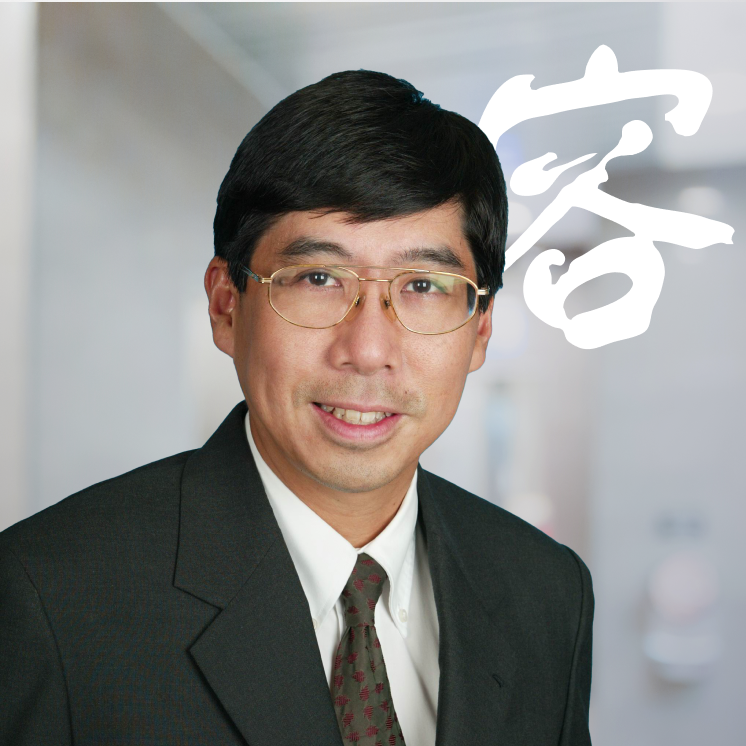
MBBS (S'pore), FRCEd (General Surgery),
FAMS (Orthopaedic Surgery)
Rotator cuff tears are among the most common causes of shoulder pain and dysfunction, affecting an estimated 20% to 25% of adults and becoming increasingly common with age. These injuries can make everyday activities such as lifting, reaching overhead or even sleeping comfortably more difficult.
Early assessment and appropriate rehabilitation are important to relieve pain, restore shoulder function and prevent further deterioration.

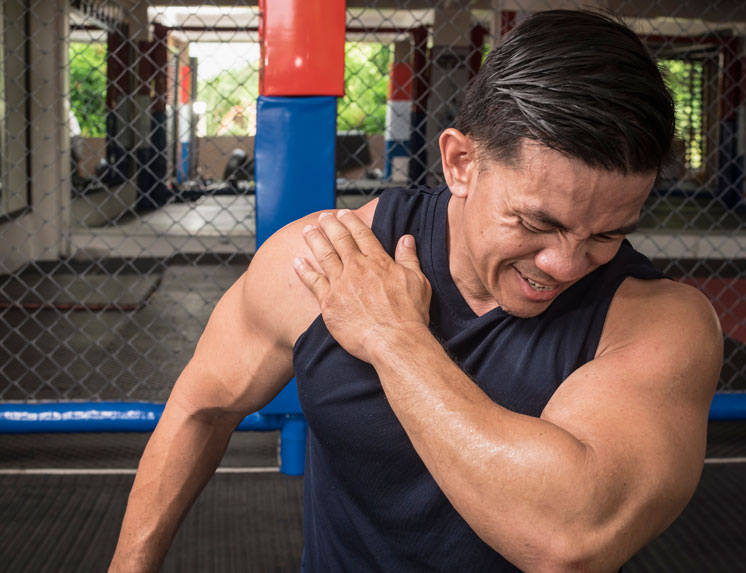
What Are Rotator Cuff Tears?
The rotator cuff is a group of four muscles and their tendons that help stabilise the shoulder joint and control arm movement. These structures work together to allow you to lift, rotate and position your arm during everyday activities.
A rotator cuff tear occurs when one or more of these tendons become damaged or torn, either partially or completely. This can result in pain, weakness and difficulty moving the shoulder.
Types of Rotator Cuff Injury
Not all rotator cuff problems involve a complete tear. The rotator cuff can be affected by a range of conditions that vary in severity and may require different treatment approaches.
Partial-Thickness Rotator Cuff Injury
A partial-thickness tear occurs when the tendon is damaged but not completely torn through. Symptoms may develop gradually and often include shoulder pain, weakness and discomfort during overhead activities.
Full-Thickness Rotator Cuff Injury
A full-thickness tear occurs when the tendon is completely separated from the bone. This can result in more significant weakness, loss of shoulder function and persistent pain.
Tendonitis and Impingement Syndrome
Rotator cuff tendonitis involves irritation and inflammation of the tendons. Shoulder impingement occurs when the tendons repeatedly rub against surrounding structures during arm movement, causing pain and potentially increasing the risk of tendon damage over time.
What Causes Rotator Cuff Tears?
Rotator cuff tears may occur suddenly following an injury or develop gradually due to age-related changes within the tendons. Understanding the underlying cause helps guide treatment and recovery expectations.
Acute Injury
A sudden injury such as a fall onto an outstretched arm, lifting a heavy object unexpectedly or sustaining a direct impact to the shoulder can cause the rotator cuff tendon to tear. Acute tears often result in immediate pain, weakness and difficulty moving the affected arm.
Degeneration
As we age, the blood supply to the rotator cuff tendons gradually decreases. Over time, repeated use and natural wear can weaken the tendons, making them more susceptible to tearing during routine activities.
Shoulder Impingement Syndrome
This refers to the impingement (rubbing) of bone against the rotator cuff tendon, leading to friction and tearing.
What Are the Risk Factors of Rotator Cuff Tears?
Certain factors may increase the likelihood of developing a rotator cuff tear, particularly when combined with repetitive shoulder use.
Age
Rotator cuff tears become more common after the age of 40 and are particularly prevalent among older adults due to age-related tendon degeneration.
Sports
Athletes who frequently perform repetitive overhead movements may be at greater risk. Examples include tennis players, swimmers, badminton players, volleyball players and rowers.
Occupation
Jobs that involve repetitive lifting, overhead work or manual labour may place increased strain on the shoulder. This includes occupations such as painting, carpentry and construction work.
Family History
Research suggests that genetics may play a role in tendon health. Individuals with a family history of rotator cuff injuries may have a higher risk of developing similar conditions.
What Are the Signs and Symptoms of Rotator Cuff Tears?
People with rotator cuff tears usually experience the following symptoms:
Shoulder Pain
Pain is commonly felt when lifting, reaching or rotating the affected arm. Symptoms may worsen during activities that involve overhead movement.
Limited Shoulder Mobility
A rotator cuff tear can reduce shoulder strength and make it difficult to lift, reach or rotate the arm normally.
Cracking Sound or Popping Sensation
Some people experience clicking, cracking or popping sensations when moving the shoulder, particularly during certain arm movements.
Pain at Rest or During Sleep
Pain may persist even when the shoulder is not being used and is often worse when lying on the affected side at night.
Seek early assessment from Dr Yung Shing Wai to determine the most appropriate treatment for your condition.
Call 6235 5225 to schedule a consultation today.
How Is a Rotator Cuff Tear Diagnosed?
Diagnosing a rotator cuff tear begins with a detailed consultation. Your specialist will review your symptoms, medical history and any recent injuries before performing a physical examination of the shoulder.
During the examination, shoulder strength, range of motion and areas of tenderness will be assessed. Depending on the findings, imaging studies may be recommended to confirm the diagnosis and determine the extent of tendon damage.
X-Rays
X-rays do not directly show rotator cuff tendons but can help identify bone spurs, arthritis and other structural abnormalities that may contribute to shoulder pain.MRI Scans or Ultrasound
MRI scans and ultrasound imaging provide detailed views of the rotator cuff tendons and surrounding soft tissues. These tests can help identify the location, size and severity of a tear and assist in treatment planning.
How Is a Rotator Cuff Tear Treated?
Treatment depends on the severity of the injury, the extent of tendon damage and your functional requirements. The primary goals are to reduce pain, restore movement and improve shoulder strength.
Non-surgical Treatment
For many patients, non-surgical treatment is recommended as the initial approach, particularly for smaller tears or degenerative injuries.
Rest and Activity Modification
Reducing activities that aggravate the shoulder can help minimise irritation and support the healing process.Physiotherapy
A structured rehabilitation programme can strengthen the muscles around the shoulder, improve mobility and restore function.Pain and Anti-Inflammatory Medication
Medication may be prescribed to help relieve pain and reduce inflammation during recovery.Braces and Slings
Temporary use of a sling may help support the shoulder and reduce strain on the injured tendon.
Surgical Treatment
Surgery may be recommended for larger tears, persistent symptoms despite conservative treatment or significant weakness that affects daily activities.
Open Rotator Cuff Repair Surgery
This procedure involves making an incision over the shoulder to access and repair the torn tendon directly. It may be recommended for larger or more complex tears.Arthroscopic Rotator Cuff Repair Surgery (Minimally Invasive Technique)
Arthroscopic repair is a minimally invasive procedure performed through several small incisions using a camera and specialised instruments. The torn tendon is reattached to the bone using anchors, allowing for less disruption to surrounding tissues.
What Happens if a Rotator Cuff Tear Is Left Untreated?
A rotator cuff tear may continue to cause pain, weakness and restricted shoulder movement if left untreated. Over time, symptoms can interfere with daily activities such as lifting, dressing and reaching overhead.
In some cases, untreated tears may enlarge or lead to progressive shoulder dysfunction. Persistent pain and reduced movement may also contribute to stiffness or secondary frozen shoulder in certain individuals.
Contact Dr Yung Shing Wai to discuss the most appropriate treatment options for your condition.
Call 6235 5225 to schedule a consultation today.
Recovery and Rehabilitation After Rotator Cuff Tear Surgery
Recovery after rotator cuff surgery generally takes between four and six months, depending on the size and severity of the tear. During this period, the following aspects of postoperative care and rehabilitation play an important role in supporting healing and restoring shoulder function:
Medication
Pain relief and anti-inflammatory medication may be prescribed during the early stages of recovery to help manage discomfort.Arm Sling
Most patients will wear a sling for several weeks to protect the repaired tendon and support healing.Icing Your Shoulder
Applying ice packs can help reduce swelling and discomfort, particularly during the first few weeks after surgery.Physiotherapy Exercises
Rehabilitation exercises are introduced gradually to improve range of motion, rebuild strength and restore shoulder function. Following your physiotherapy programme closely is one of the most important factors influencing recovery and long-term outcomes.
Comprehensive Care for Rotator Cuff Tears
Rotator cuff tears can make even simple daily movements difficult and uncomfortable. Fortunately, a range of effective treatment options are available, from physiotherapy and conservative management to advanced arthroscopic shoulder surgery.
At SW Yung Orthopaedic Clinic in Singapore, Dr Yung Shing Wai provides comprehensive care for rotator cuff injuries and other shoulder conditions. With extensive experience in both non-surgical and surgical treatment, he develops personalised management plans based on each patient's symptoms, goals and lifestyle needs.
If shoulder pain or weakness is affecting your quality of life, contact us to schedule a consultation and discuss your treatment options.

Frequently Asked Questions (FAQs) About Rotator Cuff Tears
How can a rotator cuff injury heal without surgery?
−Many partial tears and tendon injuries can be managed with rest, physiotherapy, activity modification and medication. Treatment aims to reduce pain, improve shoulder strength and restore function. However, larger tears or persistent symptoms may still require surgical repair.
Should you rest or exercise for a rotator cuff injury?
+How do I strengthen my rotator cuff after injury?
+Is a rotator cuff tear a serious injury?
+When should I visit a doctor for a rotator cuff injury?
+Meet Our Shoulder Specialist in Singapore
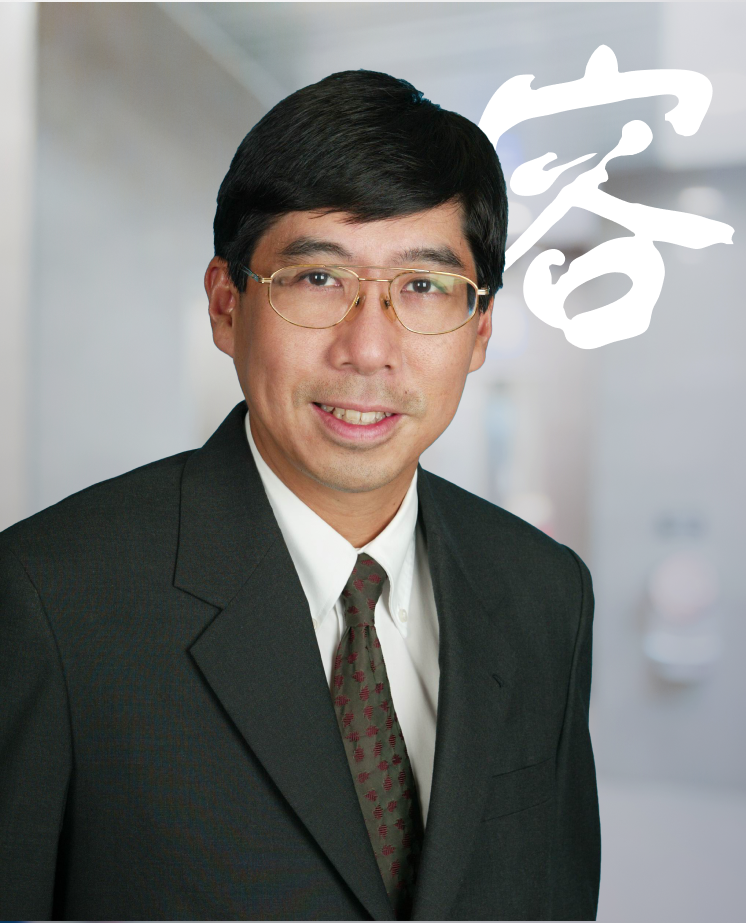
Dr Yung Shing Wai
Consultant Orthopaedic Surgeon
Orthopaedic, Foot and Shoulder Surgery
MBBS (S'pore), FRCEd (General Surgery),
FAMS (Orthopaedic Surgery)
Dr Yung Shing Wai is a fellowship-trained orthopaedic surgeon with over 30 years of experience managing a wide range of shoulder conditions. He has extensive experience in the assessment and treatment of rotator cuff tears, frozen shoulder, shoulder instability and other shoulder disorders. Dr Yung offers both non-surgical and surgical treatment options, including arthroscopic shoulder procedures, with treatment plans tailored to each patient's condition and functional goals.