

Meniscus Injury Treatment
in Singapore
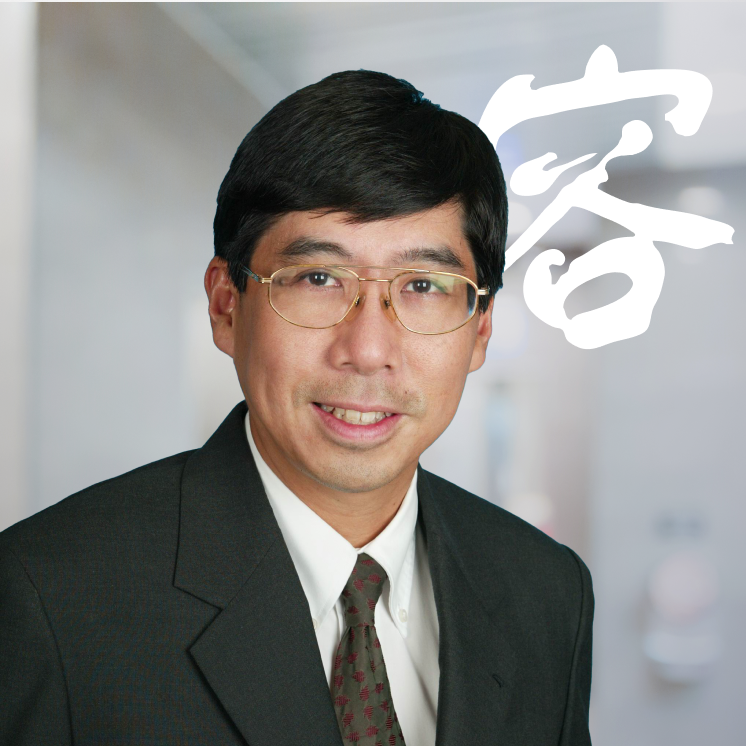
MBBS (S'pore), FRCEd (General Surgery),
FAMS (Orthopaedic Surgery)
Knee pain, swelling, stiffness or a catching sensation can make walking, exercising and everyday movement uncomfortable. In some cases, these symptoms may be caused by an injury to the meniscus, particularly after twisting the knee or during sports.
Meniscus injuries vary in type and severity and not every tear requires surgery. An assessment can help determine the extent of the injury and which treatment options may be appropriate.
At SW Yung Orthopaedic Clinic, Dr Yung Shing Wai provides assessment and treatment for meniscus injuries in Singapore, with management tailored to the type of tear, symptoms and individual needs.

What Is a Meniscus Injury?
The menisci are two C-shaped pieces of fibrocartilage located between the thigh bone (femur) and shinbone (tibia) in each knee. They help distribute load across the knee, absorb shock and contribute to joint stability.
Injuries to the meniscus commonly involve tears that can result from sudden movements, sports injuries, or degenerative changes.
Common causes include:
- Sudden twisting or pivoting
- Rapid changes in direction during sports
- Awkward landing or bending of the knee
- Deep squatting or lifting under load
- Direct trauma to the knee
- Age-related degeneration
- Associated knee ligament injuries
Early evaluation and treatment by an orthopaedic specialist can help determine the extent of the injury and guide appropriate treatment.
What Are the Types of Meniscus Tears?
Meniscus tears can develop in different patterns depending on how the tissue is damaged. Identifying the type and location of the tear can help guide treatment planning.
Bucket Handle Tear
This is a longitudinal tear in which part of the meniscus becomes displaced towards the centre of the knee. It may cause catching, locking or difficulty fully straightening the knee.
Radial Tear
This tear extends from the inner edge of the meniscus towards its outer portion. Depending on its size and location, it can affect the meniscus's ability to distribute load across the knee.
Complex Degenerative Tear
This involves more than one tear pattern and is often associated with gradual wear of the meniscus. It is more commonly seen with age-related degenerative changes.
Parrot Beak Tear
This is an angled tear that creates a flap of meniscal tissue. The flap may irritate the joint and contribute to pain or catching during movement.
Displaced Flap Tear
This occurs when a torn portion of the meniscus moves from its normal position. It may interfere with smooth knee movement and cause mechanical symptoms.
Longitudinal Peripheral Tear
This tear runs lengthwise along the outer portion of the meniscus. Because the outer region generally has a better blood supply, some tears in this area may have greater healing potential.
What Increases Your Risk of a Meniscus Injury?
Anyone can sustain a meniscus injury, but certain factors may increase the likelihood of a tear.
Age
The meniscus can become less resilient with age, making degenerative tears more likely during everyday movements or physical activity.
Pivoting or High-Impact Sports
Sports that involve frequent turning, pivoting, jumping or sudden changes in direction can place greater stress on the meniscus.
Previous Knee Injuries
Previous injuries may affect knee stability or mechanics, potentially increasing the likelihood of further injury.
Repeated Knee Strain
Activities that repeatedly load, bend or rotate the knee may place additional stress on the meniscus over time.
Higher Body Weight
Higher body weight can increase the load placed on the knee joint during standing, walking and other weight-bearing activities.
Weak Knee-Supporting Muscles
Reduced strength in the muscles supporting the knee may affect joint control and stability during movement.
What Are the Symptoms of a Meniscus Injury?
Symptoms vary depending on the type and severity of the tear. They may include:
- Knee pain, especially when twisting or rotating
- Swelling and stiffness
- Difficulty fully bending or straightening the knee
- A locking or catching sensation
- A popping or clicking sensation
- Feeling that the knee may give way
- Reduced mobility during everyday activities or sports
Early assessment can help identify whether a meniscus injury is causing your symptoms and determine the most appropriate treatment for your knee.
Call 6235 5225 to schedule a consultation today.
What Can Happen if a Meniscus Injury Is Left Untreated?
Not every meniscus tear progresses in the same way. Some cause manageable symptoms, while others may continue to affect knee movement and function if left untreated. Possible problems include:
Persistent Pain and Swelling
Pain, tenderness or swelling may continue, particularly during activities that load or rotate the knee.
Reduced Mobility and Function
Ongoing symptoms may make it difficult to bend or straighten the knee fully and may interfere with everyday activities or sports.
Catching or Locking
Certain tears can cause torn meniscal tissue to interfere with joint movement, resulting in catching or locking.
Ongoing Knee Instability
Some patients may experience a sensation that the knee is unstable or may give way, particularly when other knee structures are also injured.
Further Joint Changes
Depending on the tear and overall condition of the knee, meniscal damage may be associated with changes in how load is distributed across the joint and an increased risk of degenerative changes over time.
How Is a Meniscus Injury Diagnosed?
Diagnosis begins with an assessment of your symptoms, how the injury occurred and how your symptoms affect your activities. The findings help confirm the injury and guide the most appropriate treatment approach.
Physical Examination
The knee is examined for tenderness, swelling and limitations in movement. Specific manoeuvres may also be used to assess for signs of meniscal injury and other possible causes of your symptoms.
Imaging Tests
Imaging may be recommended when clinically appropriate. An MRI scan can provide detailed images of the meniscus and other soft tissues within the knee. X-rays do not show a meniscus tear directly but may be useful for assessing the bones and identifying conditions such as osteoarthritis.
How Is Meniscus Injury Treatment Planned?
Meniscus injury treatment is tailored to the individual rather than determined by the presence of a tear alone. Some injuries can be managed without surgery, while others may require surgical treatment.
Factors that may influence treatment include:
- Type and pattern of the tear
- Size and location of the injury
- Blood supply to the affected area
- Severity and duration of symptoms
- Presence of locking or other mechanical symptoms
- Stability of the knee
- Associated ligament or cartilage injuries
- Age and activity level
- Imaging findings
- Response to previous non-surgical treatment
By considering these factors together, treatment can be tailored to your condition, symptoms and individual needs.
What Are the Non-Surgical Treatments for a Meniscus Injury?
When symptoms are manageable and the knee remains stable, treatment may begin with non-surgical approaches. Your response is monitored over time, and further treatment may be considered if symptoms persist or significantly affect knee function.
Rest, Ice, Compression and Elevation
Temporarily reducing aggravating activities, applying ice and using compression or elevation as advised may help manage pain and swelling following an acute injury.
Medication
Pain-relieving or anti-inflammatory medication may be recommended where appropriate to help manage discomfort and inflammation.
Physiotherapy
Physiotherapy may help improve knee strength, flexibility, stability and movement. Rehabilitation exercises can also support a gradual return to everyday activities or sports.
What Are the Surgical Treatments for a Meniscus Injury?
Surgery may be considered when symptoms persist despite non-surgical treatment, the knee locks or the characteristics of the tear make surgical treatment appropriate. The recommended procedure depends on the type, location and condition of the tear.
Arthroscopic Meniscus Repair
This minimally invasive surgery uses small incisions and specialised instruments to repair suitable torn meniscal tissue and support healing. It may be considered for tears with a reasonable potential to heal.
Partial Meniscectomy
If the damaged tissue cannot be repaired, a partial meniscectomy may be performed to remove the affected portion while preserving as much healthy meniscus as possible.
The appropriate treatment depends on your symptoms, the type of tear and how the injury affects your knee function. An assessment can help determine the next steps for managing your condition.
Call 6235 5225 to schedule a consultation today.
What Are the Possible Risks of Meniscus Surgery?
Meniscus surgery is generally performed using arthroscopic techniques. As with any surgical procedure, however, there are potential risks. These are uncommon when surgery is appropriately selected and performed by a qualified orthopaedic surgeon, but may include:
- Infection or bleeding
- Pain, swelling or stiffness
- Blood clots
- Persistent or recurrent symptoms
- Incomplete healing or re-tearing following a repair
- Injury to nearby nerves or blood vessels
- Complications related to anaesthesia
- The need for further treatment or surgery
The risks vary according to the procedure and individual health factors. Your surgeon will discuss the relevant benefits and risks before treatment.
What Is Recovery and Rehabilitation Like After Meniscus Surgery?
Recovery varies depending on the procedure, extent of the injury and individual healing. Meniscus repair generally requires a longer rehabilitation period than partial meniscectomy. During recovery, you may be advised on the following:
Activity and exercise
Certain activities may need to be temporarily avoided, with work, exercise and sports resumed gradually as your knee recovers.
Walking and mobility
You may need to limit how much weight you place on the affected leg or use crutches or other walking aids for a period.
Physiotherapy
A progressive rehabilitation programme may help restore knee movement, strength and stability.
Manage Your Meniscus Injury with Dr Yung Shing Wai
A meniscus injury can make walking, exercising and other everyday movements painful or difficult. If symptoms persist or limit your activities, understanding the condition of your knee can help you make informed decisions about the next steps.
At SW Yung Orthopaedic Clinic in Singapore, management is guided by the type and extent of the injury, your symptoms and how they affect your everyday activities. Dr Yung Shing Wai will discuss suitable treatment options based on these findings. If knee pain, swelling, locking or restricted movement persists, schedule a consultation to discuss your next steps.
FAQs About Meniscus Injuries
Are meniscus injuries preventable?
−While not all meniscus injuries can be prevented, maintaining knee strength and flexibility and using appropriate techniques during physical activity may help reduce the risk of injury.
Is meniscus surgery painful?
+What is the difference between a meniscus tear and an ACL injury?
+Can a meniscus injury affect both knees?
+Can a meniscus tear happen without a noticeable injury?
+Does a meniscus injury always cause swelling?
+Can a meniscus injury come back after treatment?
+Related Articles About Meniscus Injuries
Meet Our Meniscus Injury Specialist in Singapore
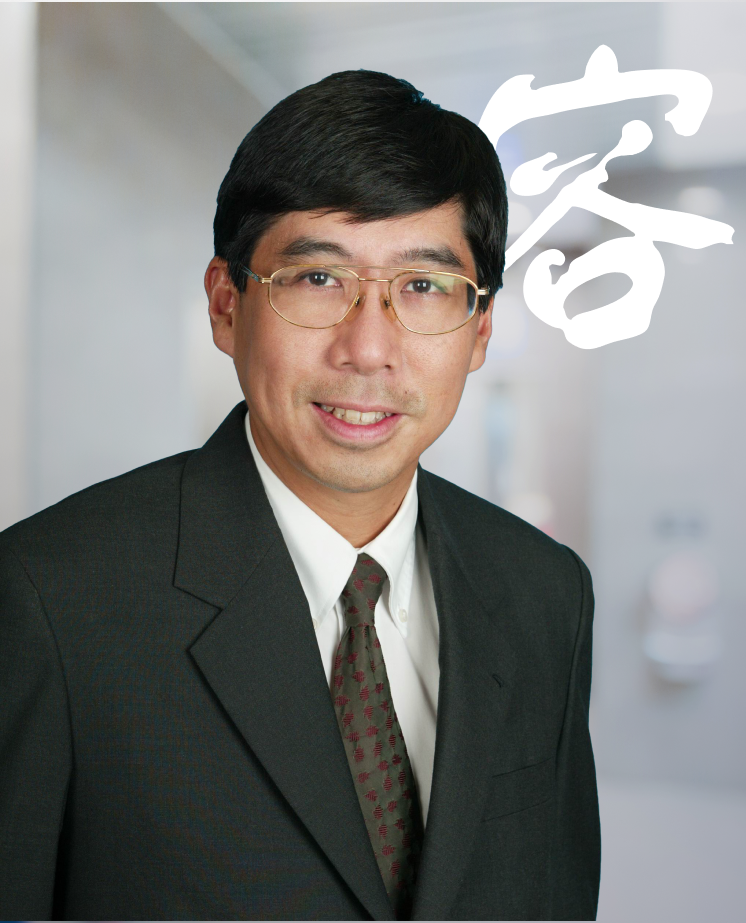
Dr Yung Shing Wai
Consultant Orthopaedic Surgeon
Orthopaedic, Foot and Shoulder Surgery
MBBS (S'pore), FRCEd (General Surgery),
FAMS (Orthopaedic Surgery)
- Bachelor of Medicine, Bachelor of Surgery (Singapore)医学学士及外科学士(新加坡)
- Fellow of the Royal College of Surgeons of Edinburgh
- Fellow of the Academy of Medicine (Singapore)
- Subspecialty Fellowship in Foot & Ankle Surgery and Shoulder Surgery (Seattle, USA)
Dr Yung Shing Wai is a consultant orthopaedic surgeon with more than 30 years of experience managing a broad range of musculoskeletal conditions. He graduated from the National University of Singapore before completing fellowship training in both Foot & Ankle Surgery and Shoulder Surgery at the University of Washington, Seattle.
Dr Yung is a Fellow of the Royal College of Surgeons of Edinburgh and a Fellow of the Academy of Medicine, Singapore. His orthopaedic practice includes the assessment and management of knee and other musculoskeletal conditions using surgical and non-surgical approaches where appropriate.


