
Unsure if your rotator cuff tear requires surgery? Discover how specialists evaluate shoulder injuries and what factors determine the right treatment approach at SW Yung Ortho.
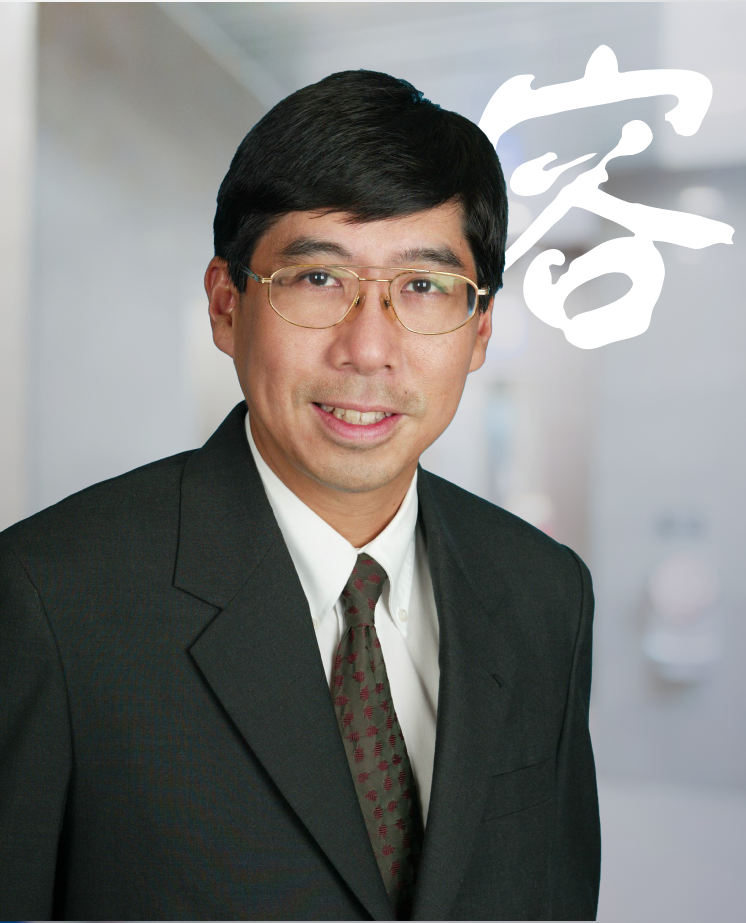
Dr Yung Shing Wai
Consultant Orthopaedic Surgeon
Orthopaedic, Foot and Shoulder Surgery
Have you started noticing a dull ache in your shoulder when lifting your arm or reaching behind your back? Maybe everyday tasks like combing your hair, fastening a seatbelt or carrying groceries now trigger discomfort. Shoulder pain can develop gradually or appear after an injury, and one common cause is a rotator cuff tear.
When faced with this diagnosis, it is natural to wonder what comes next. Some tears improve with guided rehabilitation and activity adjustments, while others may require surgical repair to restore strength and stability. Determining the right approach depends on several important factors. Let us take a closer look at how orthopaedic specialists assess rotator cuff tears and decide whether surgery is truly necessary.
Understanding Rotator Cuff Tears
The rotator cuff is a group of muscles and tendons that stabilise your shoulder and allow for smooth movement. Tears can occur gradually due to wear and tear, or suddenly from trauma or heavy lifting. Symptoms often include pain at rest or during movement, weakness, limited range of motion and difficulty sleeping on the affected side.
Not all rotator cuff tears are the same. They vary in size, location, and severity, which influences whether non-surgical care might be sufficient or if surgical repair is more appropriate. Specialists take a comprehensive approach, looking beyond pain alone to assess function, tissue health and lifestyle factors
Factors Specialists Consider Before Surgery
Orthopaedic surgeons weigh several key factors when deciding whether surgery is necessary. These factors help ensure the chosen treatment aligns with both the patient’s needs and the long-term health of the shoulder.
Severity and Size of the Tear
The extent of a rotator cuff tear is one of the most important considerations. Small or partial tears may respond well to physical therapy, anti-inflammatory measures and activity modification. Larger tears that involve multiple tendons, or full-thickness tears that compromise shoulder stability, are more likely to require surgical repair. Specialists often use imaging such as MRI or ultrasound to accurately measure the tear and evaluate tendon quality.
Impact on Daily Function
Pain is important, but specialists also assess how the injury affects daily life. If a tear limits your ability to lift objects, perform household chores or maintain independence, surgery may be recommended sooner. Patients who can manage symptoms effectively with non-surgical measures may not need immediate intervention. The goal is to balance pain relief with the ability to perform essential activities.
Age and Activity Level
Age and lifestyle influence treatment decisions. Younger, more active individuals or those with physically demanding jobs may benefit more from surgery to restore full function and prevent further deterioration. Older adults or those with lower activity demands may do well with conservative management, particularly if the tear is small and symptoms are manageable.
Chronicity of the Tear
Acute tears caused by sudden injury may be addressed differently from chronic tears that develop over years of wear and tear. Chronic tears may have associated muscle degeneration or tendon retraction, which can complicate surgical repair. Specialists consider how long the tear has been present and how it has affected shoulder structure when planning treatment.
Response to Non-Surgical Treatment
Before recommending surgery, many specialists trial non-invasive options such as physical therapy, targeted strengthening exercises, anti-inflammatory medication and lifestyle adjustments. Improvement in pain and shoulder function with these measures can sometimes eliminate the need for surgery. However, if pain, weakness or limited mobility persist despite a committed course of non-surgical care, this can signal that the tendon injury may not heal adequately without operative repair.
Overall Health and Surgical Risks
Beyond the condition of the shoulder itself, specialists also consider your overall health. Factors such as diabetes, cardiovascular disease or smoking history can influence healing capacity and recovery time. Age and general fitness levels are also taken into account.
By weighing the potential benefits of surgical repair against these individual considerations, the goal is to recommend an approach that supports both safety and sustainable long-term outcomes.
When to Seek an Orthopaedic Assessment
Persistent shoulder pain or weakness that begins to interfere with work, exercise or even simple daily tasks should not be ignored. What may start as mild discomfort can gradually progress, especially if an underlying tear is left untreated.
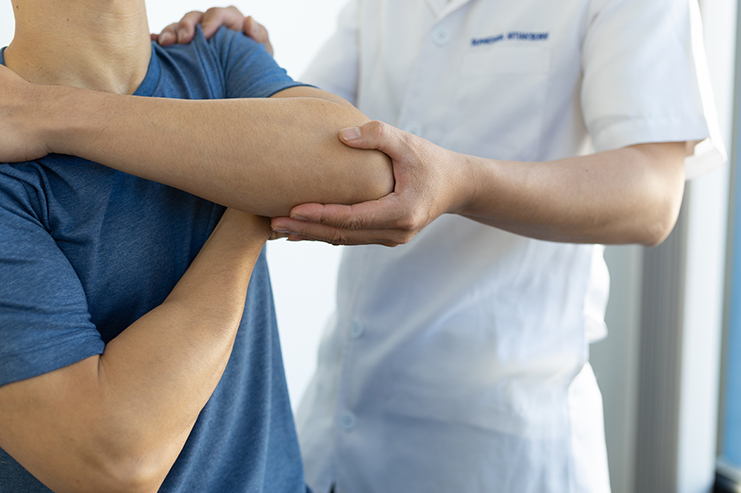
During your consultation, the orthopaedic surgeon will carry out a detailed physical examination, review relevant imaging studies and discuss your activity level, goals and expectations. This comprehensive approach ensures that any recommended treatment plan is tailored not only to the tear itself, but also to your individual needs.
Rotator Cuff Care with Dr Yung Shing Wai
Understanding whether surgery is necessary requires careful evaluation, not guesswork. At our orthopaedic clinic, care is led by Dr Yung Shing Wai, a fellowship-trained specialist with over 30 years of experience in shoulder, foot and ankle conditions. Each assessment is thorough and structured, with treatment recommendations tailored to the severity of the tear, your lifestyle demands and your long-term goals.
If you are experiencing ongoing shoulder pain or have been diagnosed with a rotator cuff tear, don’t wait for symptoms to worsen. Reach out and schedule a consultation at 62355225 today. A timely evaluation can provide clarity, outline your options and help you move forward with confidence.
Meet Our Orthopaedic Specialist in Singapore
Dr Yung Shing Wai
Senior Consultant Orthopaedic Surgeon
MBBS (Singapore), FRCS (Edinburgh), FAMS
Dr Yung Shing Wai is a fellowship-trained orthopaedic surgeon with over 30 years of experience in diagnosing and treating a wide range of musculoskeletal conditions. His expertise covers the foot, ankle, shoulder and general orthopaedic care. Known for his thorough assessments and structured approach, Dr Yung focuses on personalised treatment plans that address mobility, strength, biomechanics and overall musculoskeletal health, helping patients regain function and confidence in their daily activities.