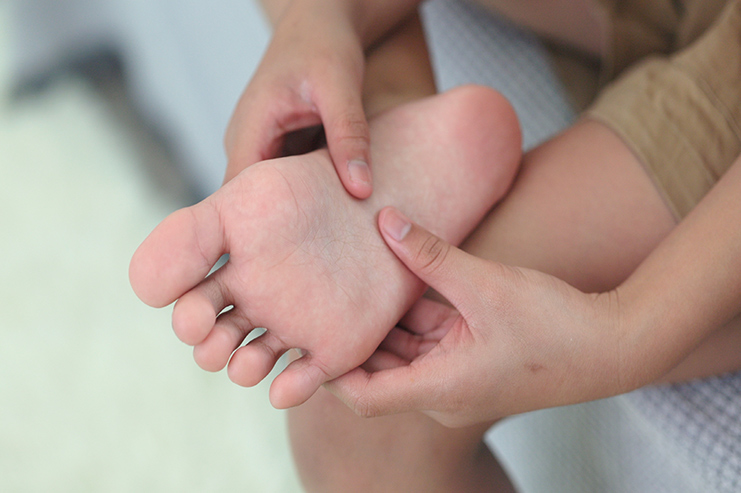
Are knee, hip or back pains linked to your feet? Learn how overpronation affects your body and how a thorough assessment and personalised treatment at SW Yung Ortho can improve alignment and relieve discomfort.
Dr Yung Shing Wai
Consultant Orthopaedic Surgeon
Orthopaedic, Foot and Shoulder Surgery
Have you ever wondered why your knees ache after a long walk, or why your lower back feels tight even though you have not done anything strenuous? You may stretch, rest or change your workout routine, yet the discomfort keeps returning. Sometimes, the issue does not begin where you feel the pain. It starts at your feet.
Overpronation, often associated with flatfoot or low arches, occurs when the foot rolls inward excessively during walking or running. While this may seem like a minor detail, the way your foot moves with each step can gradually influence your knees, hips and spine. Over time, this subtle shift in alignment can create a chain reaction throughout the body. Let us explore how these changes develop and why early assessment matters.
What is Overpronation?
Pronation refers to the natural inward rolling of the foot as it strikes the ground. This motion helps absorb shock and distribute weight evenly. Overpronation occurs when the foot rolls inward excessively, flattening the arch more than it should.
When this happens repeatedly with every step, it can alter lower limb alignment. The ankle collapses slightly inward, which changes the position of the shin and knee. This shift can travel further up the body, influencing hip mechanics and spinal posture.
The Chain Reaction from Foot to Spine
Overpronation can affect more than just your feet. Below are some ways excessive inward rolling can influence your knees, hips and lower back over time
Impact on the Knees
When the foot rolls inward excessively, the shin bone tends to rotate inward as well. This internal rotation can cause the knee to drift slightly out of optimal alignment.
As this misalignment persists, it can place extra stress on the kneecap and surrounding soft tissues. Some individuals develop anterior knee pain, particularly during activities such as climbing stairs or squatting. Others may notice stiffness after prolonged sitting or discomfort during exercise. If left unaddressed, chronic misalignment may contribute to cartilage wear and irritation within the joint.
Strain on the Hips
The hips rely on stable lower limb positioning to function efficiently. When the knees rotate inward due to overpronation, the hip joint may compensate by shifting its angle of movement.
This altered positioning can increase tension in the outer hip muscles, including those responsible for stabilising the pelvis during walking. Muscle fatigue and imbalance may develop gradually, sometimes leading to aching along the outer thigh or discomfort around the hip socket after extended standing or physical activity.
Effects on the Lower Back
The spine sits at the top of this kinetic chain. When foot alignment alters knee and hip mechanics, pelvic positioning may also shift. These subtle changes can place uneven pressure on the lower back, causing tightness, muscular strain or recurring discomfort. Even though the pain is felt in the lumbar region, the source often begins with the feet, highlighting the importance of addressing alignment issues early.
Why Symptoms Develop Gradually
One of the challenges with overpronation is that its effects are rarely immediate. The body adapts and compensates for small misalignments. At first, you may not notice any issue. However, repeated strain accumulates over months or years. Muscles become overworked, joints experience uneven loading and soft tissues may begin to show signs of irritation. By the time symptoms appear in the knees, hips or back, the root cause may not be obvious.
Who Is More Likely to Be Affected?
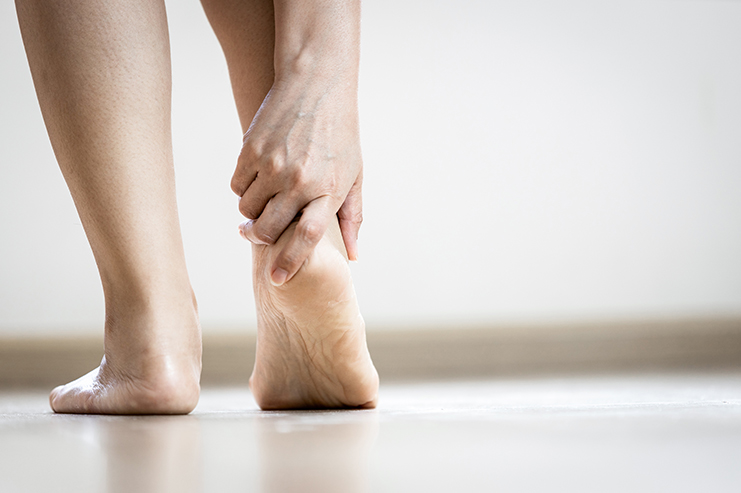
Overpronation can occur in individuals with naturally low arches, but it may also develop due to muscle weakness, ligament laxity or inappropriate footwear. Runners and individuals who spend long hours standing may be particularly susceptible, as repetitive loading amplifies the mechanical effects.
Age can also play a role. As supportive structures weaken over time, foot mechanics may gradually change. Recognising early signs such as uneven shoe wear, inward ankle collapse or frequent lower limb fatigue can help prompt timely evaluation.
Addressing Overpronation Early
Overpronation can be managed with targeted strategies that support proper alignment and reduce strain on the knees, hips and back. This often involves a combination of strengthening exercises, footwear adjustments and in some cases, customised orthotics.
Exercises that target the intrinsic foot muscles, calves and hip stabilisers can improve control and stability during movement, helping to prevent excessive inward rolling. Supportive shoes can further guide the foot into a more neutral position, while orthotic inserts may be recommended to redistribute pressure and enhance overall alignment.
Protect Your Joints and Improve Alignment with Dr Yung Shing Wai
Persistent knee, hip or back discomfort can often trace back to subtle foot mechanics such as overpronation. Left unaddressed, these misalignments can lead to muscle fatigue, joint strain and altered movement patterns that affect daily life.
At our orthopaedic clinic, Dr Yung Shing Wai, a fellowship-trained specialist with over 30 years of experience in foot, ankle and shoulder care, provides thorough assessments to identify how your feet may be impacting your body. Contact us at 62355225 to receive an evaluation and a tailored plan designed to improve comfort, support healthy movement and protect your joints for the future.
Meet Our Orthopaedic Specialist in Singapore
Dr Yung Shing Wai
Senior Consultant Orthopaedic Surgeon
MBBS (Singapore), FRCS (Edinburgh), FAMS
Dr Yung Shing Wai is a fellowship-trained orthopaedic surgeon with over 30 years of experience in diagnosing and treating a wide range of musculoskeletal conditions. His expertise covers the foot, ankle, shoulder and general orthopaedic care. Known for his thorough assessments and structured approach, Dr Yung focuses on personalised treatment plans that address mobility, strength, biomechanics and overall musculoskeletal health, helping patients regain function and confidence in their daily activities.