

Shoulder Specialist in Singapore
MBBS (S'pore), FRCEd (General Surgery),
FAMS (Orthopaedic Surgery)
At SW Yung Orthopaedic, Foot & Shoulder Surgery, we provide specialist care for a wide range of shoulder conditions, from common overuse injuries to complex disorders affecting the shoulder joint. Our approach combines thorough clinical assessment with evidence-based treatment planning, helping patients regain function, reduce pain and return to their daily activities.
- Specialist Shoulder Care for Acute and Chronic Conditions
- Comprehensive Assessment and Personalised Treatment Planning
- Non-Surgical and Arthroscopic Shoulder Surgery Options

What Does a Shoulder Specialist Do?
A shoulder specialist is an orthopaedic surgeon who diagnoses, treats and manages conditions affecting the shoulder joint, muscles, tendons, ligaments and surrounding structures.
Shoulder specialists evaluate symptoms such as pain, weakness, stiffness, instability and reduced range of motion. Treatment recommendations depend on the underlying condition and may include physiotherapy, medication, injections or surgery where appropriate.
About Our Shoulder Specialist in Singapore
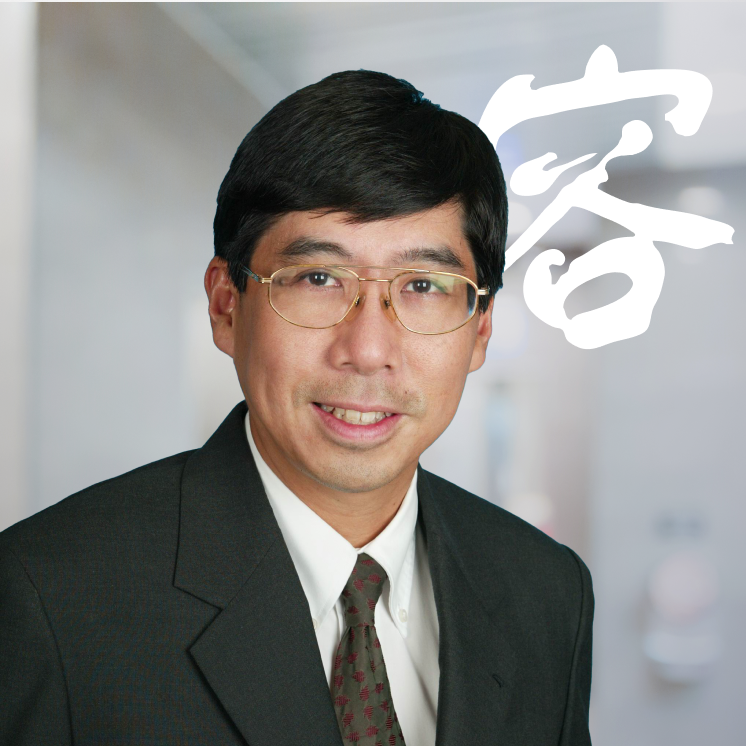
Dr Yung Shing Wai
Consultant Orthopaedic Surgeon
MBBS (Singapore), FRCSEd (General Surgery), FAMS (Orthopaedic Surgery)
Awards & Leadership Roles
- Former Director, Foot and Ankle Service, Singapore General Hospital
- Former Head, Department of Orthopaedic Surgery, Changi General Hospital
- Fellowship-trained in Shoulder Surgery, University of Washington, United States
Dr Yung Shing Wai is a consultant orthopaedic surgeon with over 30 years of experience in orthopaedic surgery and a special interest in shoulder conditions and surgery. He completed fellowship training in shoulder surgery at the University of Washington in the United States and was among the first orthopaedic surgeons in Singapore to receive formal subspecialty training in shoulder surgery.
Dr Yung manages a wide range of shoulder conditions, including frozen shoulder, rotator cuff tears, shoulder instability, arthritis and fractures. He is experienced in both non-surgical treatment and shoulder surgery, including arthroscopic (keyhole) procedures. He is also recognised for his contributions to advancing arthroscopic shoulder techniques and has published research on shoulder surgery in peer-reviewed international journals.
More About Dr Yung
Why Choose Our Shoulder Clinic in Singapore?
Shoulder conditions can significantly affect daily activities such as dressing, lifting objects, reaching overhead and participating in sports. At our clinic, we provide comprehensive care tailored to the specific cause of your symptoms.
Fellowship-Trained Shoulder Surgeon
Dr Yung completed advanced subspecialty fellowship training in shoulder surgery in the United States, gaining specialised experience in the management of both common and complex shoulder conditions.
Over 30 Years of Orthopaedic Experience
With more than three decades of clinical practice, Dr Yung has extensive experience diagnosing and treating a broad spectrum of shoulder disorders.
Expertise in Both Surgical and Non-Surgical Treatment
Treatment plans are individualised and may include conservative management, rehabilitation programmes, minimally invasive procedures and reconstructive surgery where required.
Comprehensive Shoulder Assessment
Every patient undergoes a thorough assessment to determine the underlying cause of symptoms before a treatment plan is recommended.
Whether you're struggling with stiffness, weakness or a shoulder injury, early assessment can help prevent symptoms from worsening.
Schedule a consultation with Dr Yung Shing Wai at 6235 5225 today.
Common Shoulder Conditions We Specialise In
The shoulder is one of the most mobile joints in the body, making it susceptible to a variety of injuries and degenerative conditions. Dr Yung manages a wide range of shoulder problems affecting patients of different ages and activity levels.

Frozen Shoulder

Also known as adhesive capsulitis, frozen shoulder causes progressive pain and stiffness that can severely limit shoulder movement. It commonly affects individuals between 40 and 60 years of age.

Shoulder Arthritis
Shoulder arthritis occurs when the protective cartilage within the joint gradually wears down, resulting in pain, stiffness and reduced mobility.

Shoulder Fractures
Fractures involving the collarbone, shoulder blade or upper arm bone may occur following falls, sports injuries or accidents. Treatment depends on the severity and location of the fracture.

Rotator Cuff Tears
The rotator cuff consists of tendons that stabilise and move the shoulder. Tears may develop gradually due to degeneration or occur suddenly following injury.

SLAP Tears
A SLAP tear is an injury to the cartilage rim surrounding the shoulder socket. It may cause pain, clicking sensations and difficulty with overhead movements.

Shoulder Bursitis
Shoulder bursitis occurs when the fluid-filled sacs that cushion the joint become inflamed, often resulting in pain during movement or when lying on the affected side.
Shoulder Treatments We Provide
Treatment is guided by the underlying diagnosis, severity of symptoms and your functional goals. Whenever appropriate, non-surgical approaches are explored before surgery is considered.
Frozen Shoulder Surgery
For patients with persistent stiffness that does not improve with conservative treatment, arthroscopic capsular release may be recommended to restore movement and reduce discomfort.
Shoulder Bursitis Treatment
Treatment may include activity modification, medication, physiotherapy, ultrasound-guided injections and, in selected cases, minimally invasive surgery.
Shoulder Arthroscopy Fracture Management
Depending on the fracture pattern, treatment may involve immobilisation, rehabilitation or surgical fixation to promote healing and restore function.
Torn Rotator Cuff Repair
Rotator cuff repair surgery aims to reattach torn tendons and restore shoulder strength and function. Arthroscopic techniques may be used depending on the nature of the tear.
Shoulder Arthroscopy
Shoulder arthroscopy is a minimally invasive procedure that uses small incisions and specialised instruments to diagnose and treat various shoulder conditions.
When Should You See a Shoulder Specialist?
You may benefit from an assessment if you experience any of the following symptoms:
- Persistent shoulder pain that does not improve with rest or medication
- Stiffness that restricts daily activities
- Swelling, redness or warmth around the shoulder joint
- Shoulder pain that disrupts sleep
- Frequent shoulder dislocations
- Difficulty lifting, reaching or moving your arm
- Weakness affecting grip strength or arm function
- Clicking, popping or grinding sensations during movement
- Pain following a fall, accident or sporting injury
- A sensation that the shoulder is unstable or slipping out of place
Early evaluation may help prevent worsening symptoms and allow treatment to begin sooner.
If shoulder pain, stiffness or weakness is affecting your daily activities, seek an assessment from an experienced shoulder specialist.
Contact our clinic at 6235 5225 to arrange a consultation with Dr Yung Shing Wai.
Frequently Asked Questions (FAQs) About Shoulder Conditions
How can shoulder injuries be prevented?
−Maintaining good shoulder strength and flexibility, using proper exercise techniques and avoiding sudden increases in activity can help reduce the risk of injury. Proper warm-ups are also important, particularly before sports or repetitive overhead activities.

