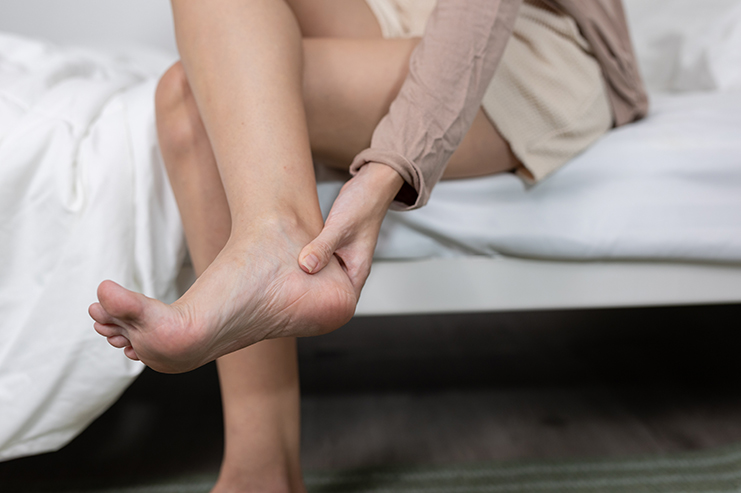
Struggling with heel pain despite regular stretches? Find out why plantar fasciitis often needs more than flexibility exercises and how professional care from Dr Yung Shing Wai can help restore comfort and mobility.
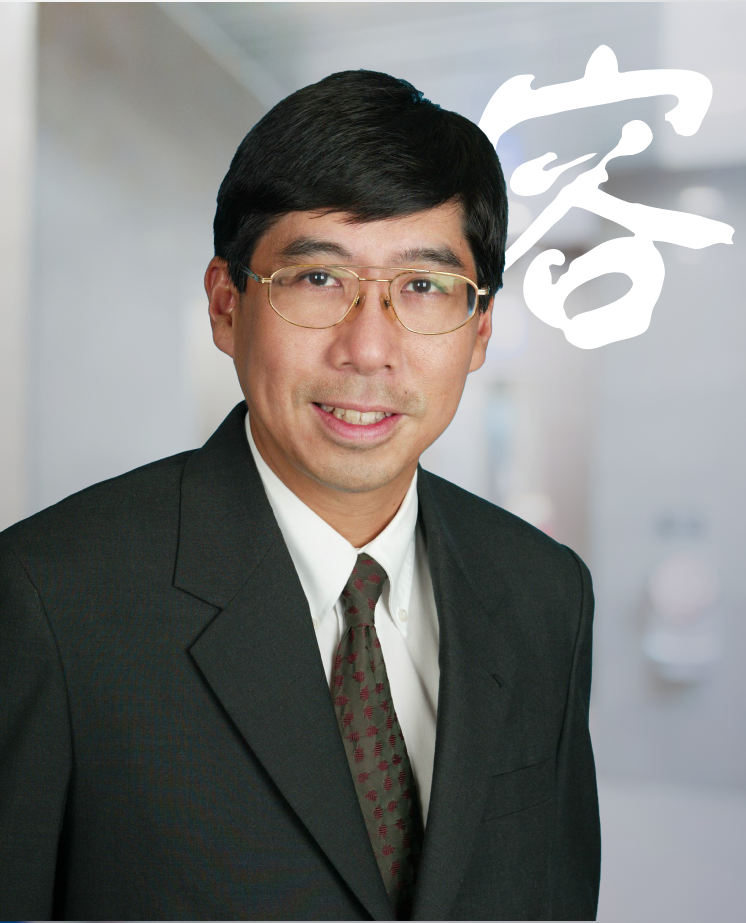
Dr Yung Shing Wai
Consultant Orthopaedic Surgeon
Orthopaedic, Foot and Shoulder Surgery
You wake up, take your first few steps out of bed and feel that familiar sharp ache in your heel. Despite faithfully doing your stretches each day, the discomfort does not seem to fade. It can be frustrating when you are putting in the effort yet seeing little progress.
Stretching is often recommended as an early measure for plantar fasciitis. While flexibility exercises can be helpful, they do not always resolve the problem on their own. If your heel pain continues despite consistent stretching, it may be time to look beyond tight muscles and consider other contributing factors. Continue reading as we explore why recovery is sometimes more complex than it appears.
Understanding the Limits of Stretching in Plantar Fasciitis
Stretching is simple, accessible and easy to do at home, which makes it a common first step for plantar fasciitis. However, the condition rarely stems from tightness alone. Often, multiple factors combine to strain the plantar fascia, and stretching without addressing these can only provide limited relief. Understanding these contributing elements is key to a more effective recovery plan.
Ongoing Mechanical Strain on the Foot
One key reason symptoms may not improve is continued mechanical overload. If you spend long hours on hard surfaces, frequently run on unforgiving terrain or wear unsupportive shoes, the plantar fascia remains under repeated stress.
Even with regular stretching, the tissue may not have sufficient time to recover. Each step can reintroduce micro strain, preventing proper healing. Addressing activity levels, modifying training routines and choosing appropriate footwear are often necessary alongside flexibility work.
Weakness in Supporting Muscles
Flexibility is only one part of the equation. The small muscles within your foot and the larger muscles of the lower leg play an important role in absorbing impact and maintaining arch stability. If these muscles are weak, the plantar fascia may bear more load than it is designed to handle.
Stretching does not strengthen these structures. Without targeted strengthening exercises, the imbalance remains. Over time, this can prolong irritation and delay improvement. A structured rehabilitation plan often includes exercises to improve muscle control, balance and endurance.
Limited Shock Absorption and Foot Biomechanics
Every individual’s foot structure is unique. Some people have flatter arches, while others have higher arches that reduce natural shock absorption. Abnormal walking patterns, known as gait abnormalities, can also increase tension along the sole.
Stretching does not change your foot shape or correct significant biomechanical concerns. In certain cases, customised insoles or orthotic devices may help redistribute pressure more evenly. These supports aim to reduce excessive strain so that the inflamed tissue can recover more effectively.
Inflammation and Tissue Degeneration
Although the term suggests inflammation, plantar fasciitis often involves a degenerative process within the tissue rather than acute swelling alone. When micro tears accumulate over time, the fascia may lose some of its normal structure.
Gentle stretching can improve mobility, but it does not directly address tissue degeneration. Other non surgical treatments such as shockwave therapy, activity modification or guided physiotherapy may be considered depending on the severity and duration of symptoms.
Delayed or Incomplete Diagnosis
Heel pain is commonly linked to plantar fasciitis, but it is not the only possible cause. Conditions such as stress fractures, nerve entrapment or fat pad atrophy can produce similar symptoms. If stretching fails to provide relief, the initial assumption may need reassessment.
A thorough clinical evaluation helps confirm the diagnosis and rule out other sources of discomfort. Without clarity, you may continue performing exercises that are not suited to your specific condition.
When Should You Seek Further Assessment?
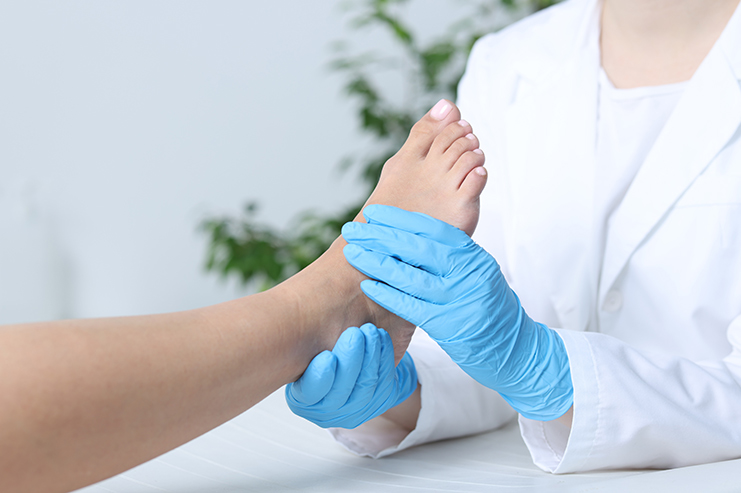
Mild plantar fasciitis may improve with rest, stretching and simple home measures. However, if pain persists beyond several weeks, interferes with work or limits daily activities, it is advisable to seek professional advice.
An orthopaedic assessment typically includes a detailed history, physical examination and, when necessary, imaging studies. Understanding the severity of tissue involvement and identifying contributing factors allows for a more comprehensive management plan.
Comprehensive Plantar Fasciitis Care with Dr Yung Shing Wai
Living with persistent heel pain can affect much more than your mornings. It can make everyday activities like walking, climbing stairs, exercising or even taking a leisurely stroll uncomfortable. Over time, the pain may subtly alter the way you move, causing you to favour one foot or avoid certain activities altogether. This ongoing strain can affect not just your mobility, but also your overall quality of life and sense of freedom.
At Our orthopaedic clinic, care is led by Dr Yung Shing Wai, a fellowship-trained specialist with over 30 years of experience in foot, ankle and shoulder conditions. Through thorough assessment and a structured, personalised approach, treatment is designed to address not only tightness, but also muscle strength, foot mechanics and overall tissue health.
Don’t let heel pain limit your daily life. Contact us at 62355225 to receive guidance and a tailored plan aimed at restoring comfort and helping you move with confidence again.
Meet Our Orthopaedic Specialist in Singapore
Dr Yung Shing Wai
Senior Consultant Orthopaedic Surgeon
MBBS (Singapore), FRCS (Edinburgh), FAMS
Dr Yung Shing Wai is a fellowship-trained orthopaedic surgeon with over 30 years of experience in diagnosing and treating a wide range of musculoskeletal conditions. His expertise covers the foot, ankle, shoulder and general orthopaedic care. Known for his thorough assessments and structured approach, Dr Yung focuses on personalised treatment plans that address mobility, strength, biomechanics and overall musculoskeletal health, helping patients regain function and confidence in their daily activities.