Total knee replacement (TKR), also known as knee arthroplasty, is a surgical procedure designed to replace a damaged knee joint with artificial components. It is one of the most common and effective surgeries for alleviating pain and restoring function in patients with severe knee arthritis or injury. In Singapore, where an ageing population and active lifestyle have led to a rise in knee-related issues, understanding the important details of TKR is crucial for both patients and healthcare providers.
What is Total Knee Replacement?
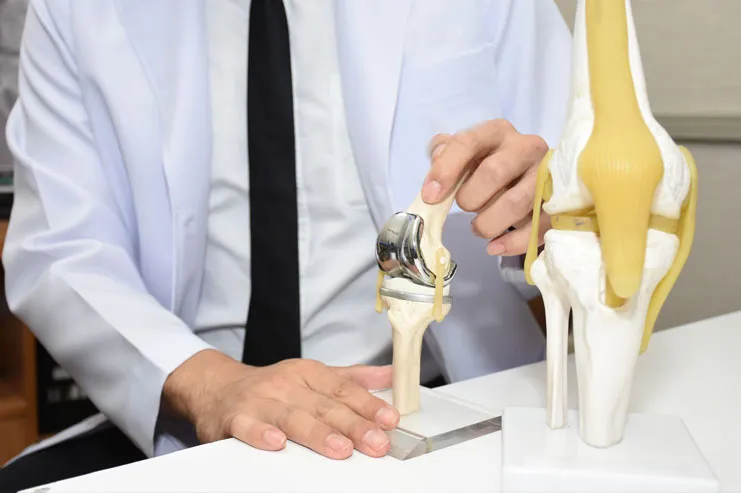
Total knee replacement is a surgical intervention where the damaged parts of the knee joint are removed and replaced with metal and plastic components designed to mimic the function of a healthy knee. This surgery is primarily recommended for patients suffering from severe osteoarthritis, rheumatoid arthritis, or post-traumatic arthritis.
Who Needs to Undergo Total Knee Replacement?
- Osteoarthritis: People suffering from osteoarthritis are one of the most common candidates for total knee replacement. Since this condition wears down the cartilage in the knees over time, this may cause severe pain and stiffness if not addressed.
- Rheumatoid Arthritis: This is an autoimmune condition leading to inflammation and joint damage. People with rheumatoid arthritis may also need to undergo total knee replacement in order to avoid more damage to the joints.
- Trauma or Injury: People who have suffered from accidents causing trauma and severe injury to the knees may need to undergo total knee replacement, as these types of knee damage can lead to chronic pain if not properly addressed.
Patients often consider TKR when non-surgical treatments such as medications, physiotherapy, and lifestyle changes no longer provide relief.
Total Knee Replacement Procedure
Preoperative Preparations
Before undergoing TKR, patients typically go through a thorough evaluation which includes:
- Medical History Review: To identify any potential risks or complications.
- Physical Examination: To assess the knee's range of motion, stability, and strength.
- Imaging Tests: X-rays, MRIs, or CT scans are used to determine the extent of joint damage.
Preoperative counseling is often provided to help patients understand the procedure, expected outcomes, and recovery process.
Surgical Process
The surgery typically lasts between 1 to 2 hours and involves the following steps:
- Incision: A cut is made in the front of the knee to access the joint.
- Removal of Damaged Tissue: The orthopaedic surgeon removes the damaged cartilage and a small amount of bone from the femur, tibia, and patella.
- Implantation: Metal components are fixed to the bone surfaces, and a plastic spacer is placed between them to allow smooth movement.
- Closure: The incision is closed with stitches or staples, and a bandage is applied.
Recovery and Rehabilitation
Immediate Post-Operative Care
After surgery, patients typically stay in the hospital for 2 to 4 days. However, this will still highly depend on the patient's individual condition and recovery progress following the operation. During this time, the focus is on pain management, preventing complications, and beginning early physiotherapy to promote mobility.
Physiotherapy and Rehabilitation
Physiotherapy is a crucial component of recovery, beginning as early as the day after surgery. A structured rehabilitation program includes:
- Range of Motion Exercises: To regain flexibility and strength.
- Walking Aids: Initially, patients may use a walker or crutches before transitioning to walking independently.
- Gradual Increase in Activity: Patients are encouraged to gradually resume daily activities over several weeks.
Long-Term Recovery
Full recovery from TKR can take 3 to 6 months. Outpatient physiotherapy services and home-based rehabilitation are common practices that help in achieving optimal outcomes.
Risks and Complications
Common Risks
While total knee replacement is generally safe, there are potential risks and complications, including:
- Infection: A rare but serious complication that may require additional surgery.
- Blood Clots: Deep vein thrombosis (DVT) can occur but is preventable with medications and exercises.
- Implant Issues: Over time, the implant may wear out, or there might be issues with alignment.
Choosing the Right Surgeon in Singapore
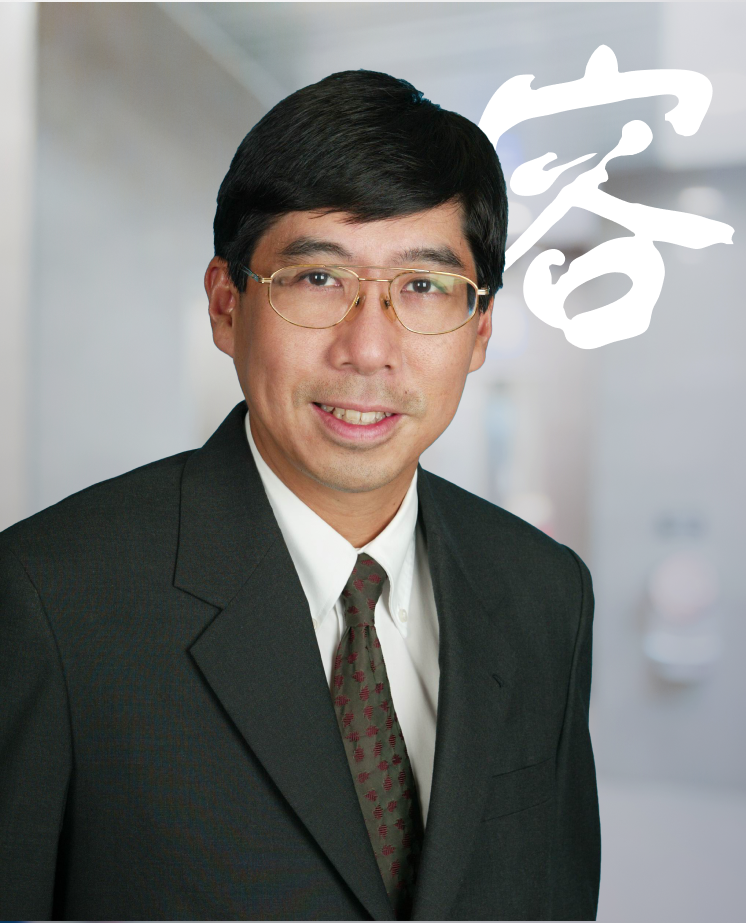
When selecting a surgeon for knee replacement, experience is key. Surgeons who perform a high volume of knee replacements tend to have better outcomes. In Singapore, patients can access trusted and experienced orthopedic surgeons. Dr Yung Shing Wai is an orthopaedic surgeon with over 30 years of experience, currently practising at Mount Elizabeth Medical Centre.
Other factors to consider include:
- Credentials and Specialisation: Ensure the surgeon is accredited and skilled in knee surgeries.
- Hospital Affiliation: The hospital's reputation and facilities play a major role in the care provided.
- Patient Reviews: Testimonials and reviews from other patients can provide insights into the surgeon's expertise and patient care quality.
Life After Total Knee Replacement
- Resuming Daily ActivitiesMost patients return to normal daily activities within 6 to 12 weeks post-surgery. Low-impact activities like walking, swimming, and cycling are encouraged.
- Long-Term Care and Follow-UpRegular follow-up appointments are necessary to monitor the knee's condition while it recovers.
- Success Rate and Longevity of ImplantsTotal knee replacement has a high success rate, with 85-90% of implants lasting 15 to 20 years. With advancements in technology and surgical techniques, the lifespan of knee implants continues to improve.
Total knee replacement is a life-changing procedure for those suffering from severe chronic knee pain and disability. By understanding the procedure, risks, and recovery process, patients can make informed decisions and take proactive steps toward a pain-free, active life.