HEEL PAIN TREATMENT
IN SINGAPORE

MBBS (S'pore), FRCEd (General Surgery),
FAMS (Orthopaedic Surgery)
Heel pain can make even simple activities such as getting out of bed, walking to work or exercising uncomfortable. While some cases improve with rest, persistent heel pain may indicate an underlying condition affecting the bones, tendons, ligaments or soft tissues of the foot. Early assessment can help identify the cause and guide treatment to relieve pain, restore mobility and prevent symptoms from becoming chronic.

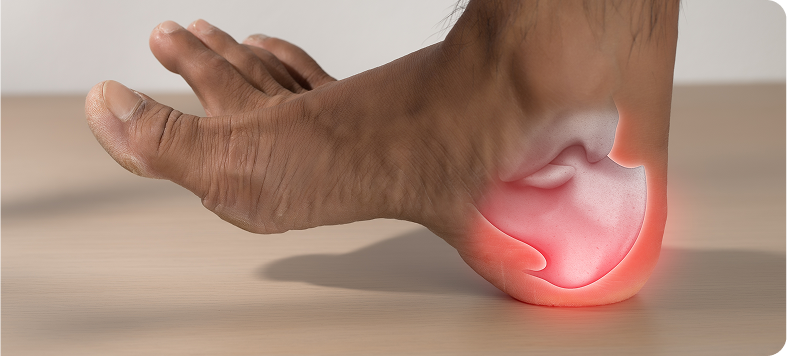
What Is Heel Pain?
Heel pain refers to discomfort felt underneath the heel, at the back of the heel or around the surrounding structures of the foot. It is a symptom rather than a diagnosis and may arise from a range of foot and ankle conditions. The location, severity and timing of the pain often provide important clues to what is causing the symptoms.
Plantar fasciitis is the most common cause of heel pain, although other conditions affecting the tendons, bones and surrounding soft tissues can produce similar symptoms. Other causes of heel pain include Achilles tendinopathy, heel bursitis, heel spurs, stress fractures and abnormalities in foot structure, such as flat feet or high arches. Identifying the underlying cause is important, as treatment varies depending on the condition responsible for the pain.
What Are the Causes and Risk Factors of Heel Pain?
Heel pain may have several possible causes, each requiring a different treatment approach. Understanding what is causing the symptoms is the first step towards appropriate management.
Plantar Fasciitis
Plantar fasciitis is the most common cause of heel pain. It develops when the plantar fascia, which supports the arch of the foot, is repeatedly strained or overloaded. Risk factors include prolonged standing, repetitive impact activities, obesity, tight calf muscles and footwear with inadequate support.
Achilles Tendinopathy
The Achilles tendon connects the calf muscles to the heel bone. Repetitive strain, sudden increases in physical activity or tight calf muscles can lead to irritation and degeneration of the tendon, causing pain at the back of the heel.
Heel Bursitis
Heel bursitis occurs when one of the fluid-filled bursae around the heel becomes inflamed. It may develop due to repeated friction, prolonged pressure from footwear or overuse during physical activity.
Heel Spurs
Heel spurs are bony growths that develop on the heel bone. Although they are commonly associated with plantar fasciitis, many heel spurs do not cause symptoms. When pain is present, it is often related to irritation of the surrounding soft tissues rather than the spur itself.
Stress Fractures
Stress fractures are small cracks in the heel bone that develop from repetitive loading rather than a single injury. They are more common in runners, athletes and individuals who have recently increased the intensity of their physical activity.
Foot Structure
Certain foot shapes, including flat feet and high arches, can alter the way forces are distributed across the foot. These changes may place additional strain on the heel and increase the risk of developing conditions such as plantar fasciitis or Achilles tendinopathy.
How Is Heel Pain Diagnosed?
Because several conditions can produce similar symptoms, diagnosing heel pain begins with a discussion of your symptoms, including where the pain is located, when it occurs and how long it has been present. This is followed by a physical examination to assess tenderness, foot alignment, range of motion and factors that may be contributing to the pain.
Depending on the suspected cause, imaging studies may be recommended to evaluate the bones and soft tissues of the foot and confirm the diagnosis.
X-Rays
X-rays are commonly used to assess the bones of the foot and heel. They can help identify conditions such as heel spurs, fractures or changes associated with arthritis while ruling out other causes of heel pain.Ultrasound
Ultrasound provides real-time images of the plantar fascia, Achilles tendon and surrounding soft tissues. It may be used to identify inflammation, tendon abnormalities or thickening of the plantar fascia associated with plantar fasciitis.MRI Scans
MRI scans produce detailed images of both bone and connective tissues. They may be recommended when stress fractures, tendon injuries or other conditions are suspected but are not clearly visible on X-rays.
Consult Dr Yung Shing Wai for an accurate diagnosis and personalised treatment plan.
Call 6235 5225 to schedule a consultation today.
What Are the Types of Heel Pain?
Doctors often use the location of heel pain to help identify the structures involved and narrow down the possible causes.
Pain Underneath the Heel
Pain beneath the heel is most commonly associated with plantar fasciitis, although stress fractures, heel pad syndrome and other conditions may produce similar symptoms. Many people notice discomfort during their first steps in the morning or after prolonged periods of rest.
Pain at the Back of the Heel
Pain at the back of the heel is frequently related to the Achilles tendon or the bursae that reduce friction around the tendon. Activities involving running, jumping or repetitive strain may aggravate these conditions.
Pain on the Sides of the Heel
Pain along either side of the heel may be linked to irritation of nearby nerves, tendon injuries or inflammation of the surrounding soft tissues. A clinical assessment can help determine the underlying cause and whether further investigation is required.
How Is Heel Pain Treated?
Treatment depends on the cause of the heel pain, its severity and how long symptoms have been present. Many conditions respond well to conservative treatment, although surgery may be recommended if symptoms persist despite appropriate non-surgical management.
Self-Care Measures
Simple measures may help relieve symptoms during the early stages of heel pain or alongside medical treatment.
Rest
Reducing activities that place repetitive stress on the heel allows irritated tissues time to recover.Ice
Applying ice packs to the affected area may help relieve pain and reduce inflammation, particularly after physical activity.Supportive Footwear
Wearing well-cushioned shoes with good arch support may reduce pressure on the heel and improve comfort during walking and standing.
Non-Surgical Treatment
Many causes of heel pain can be managed without surgery.
Medications
Pain-relieving and anti-inflammatory medications may be recommended to manage symptoms where appropriate.Physiotherapy
Stretching and strengthening exercises can improve flexibility, reduce strain on the plantar fascia and Achilles tendon, and support recovery.Orthotic Devices
Custom or prefabricated orthotic insoles may help improve foot mechanics, redistribute pressure and provide additional support during daily activities.Corticosteroid Injections
In selected cases, corticosteroid injections may be considered to reduce inflammation and relieve persistent pain when other conservative measures have not provided sufficient improvement.
Surgical Treatment
Surgery is usually considered only when symptoms continue despite an appropriate course of conservative treatment or when a structural problem requires correction.
Plantar Fascia Release
This procedure involves releasing part of the plantar fascia to reduce tension on the tissue. It may be considered for persistent plantar fasciitis that has not responded to non-surgical treatment.Achilles Tendon Surgery
Depending on the underlying condition, surgery may involve repairing damaged tendon tissue, removing inflamed tissue or addressing structural abnormalities contributing to ongoing symptoms.Flat Foot Correction
For selected patients with flat feet contributing to chronic heel pain, procedures to restore foot alignment and improve biomechanics may be recommended.
How Can Heel Pain Be Prevented?
While not all cases of heel pain can be prevented, adopting healthy foot care habits may help reduce the risk of developing common heel conditions or prevent existing symptoms from recurring.
Wear Supportive Footwear
Choose footwear that provides adequate cushioning, arch support and shock absorption, particularly if you spend long periods standing, walking or participating in high-impact activities.Stretch Regularly
Regular stretching of the calf muscles, Achilles tendon and plantar fascia may improve flexibility and reduce strain on the heel.Increase Activity Gradually
Avoid sudden increases in the intensity, duration or frequency of exercise. Gradually progressing physical activity allows the muscles, tendons and connective tissues to adapt over time.Maintain a Healthy Weight
Maintaining a healthy body weight may reduce the amount of repetitive stress placed on the heels during everyday activities.Address Symptoms Early
Ongoing heel pain should not be ignored. Seeking assessment when symptoms first develop may help prevent the condition from worsening and reduce the likelihood of long-term pain.
Finding Relief from Heel Pain with Dr Yung Shing Wai
At SW Yung Orthopaedic Clinic, patients receive comprehensive care for a wide range of heel conditions, from conservative management and rehabilitation to surgical treatment when required. Dr Yung Shing Wai focuses on understanding the source of your symptoms before recommending a treatment plan tailored to each patient's condition, symptoms and functional goals. Schedule a consultation with us today to receive an accurate diagnosis and discuss the most appropriate treatment options for your heel pain.

FAQs About Heel Pain
Why is heel pain often worse in the morning?
−Morning heel pain is commonly associated with plantar fasciitis. During periods of rest, the plantar fascia tightens slightly, so the first few steps after getting out of bed may be more painful until the tissue gradually loosens with movement.
When should I see a doctor for heel pain?
+Can heel pain go away on its own?
+Are heel spurs always painful?
+Can I continue exercising if I have heel pain?
+What happens if heel pain is left untreated?
+Meet Our Heel
Specialist in Singapore

Dr Yung Shing Wai
Consultant Orthopaedic Surgeon
Orthopaedic, Foot and Shoulder Surgery
MBBS (S'pore), FRCEd (General Surgery),
FAMS (Orthopaedic Surgery)
Dr Yung Shing Wai is a fellowship-trained orthopaedic surgeon with over 30 years of experience managing a wide range of foot and ankle conditions. As the founding Director of the Foot & Ankle Service at Singapore General Hospital, he has extensive experience diagnosing and treating heel pain caused by conditions such as plantar fasciitis, Achilles tendinopathy, heel bursitis and stress fractures. His approach focuses on carefully assessing each patient's condition to recommend treatment that supports long-term function, mobility and recovery.